01The Evolution of the Family Seat
For decades, the trajectory of the ultra-high-net-worth property lifecycle followed a predictable arc. Accumulate scale during the child-rearing years, then quietly downsize to a Herne Bay penthouse or a Queenstown lock-and-leave once the nest emptied. Today, that narrative is being dismantled.
- Families are moving toward consolidating real estate into one significant 'family seat'.
- This shift reflects a desire for legacy building rather than just convenience.
- Multigenerational estates accommodate the needs of multiple family tiers simultaneously.
- Consolidation reduces portfolio fragmentation and aids in long-term wealth protection.
- There is a growing emphasis on properties that can evolve with family demographics.
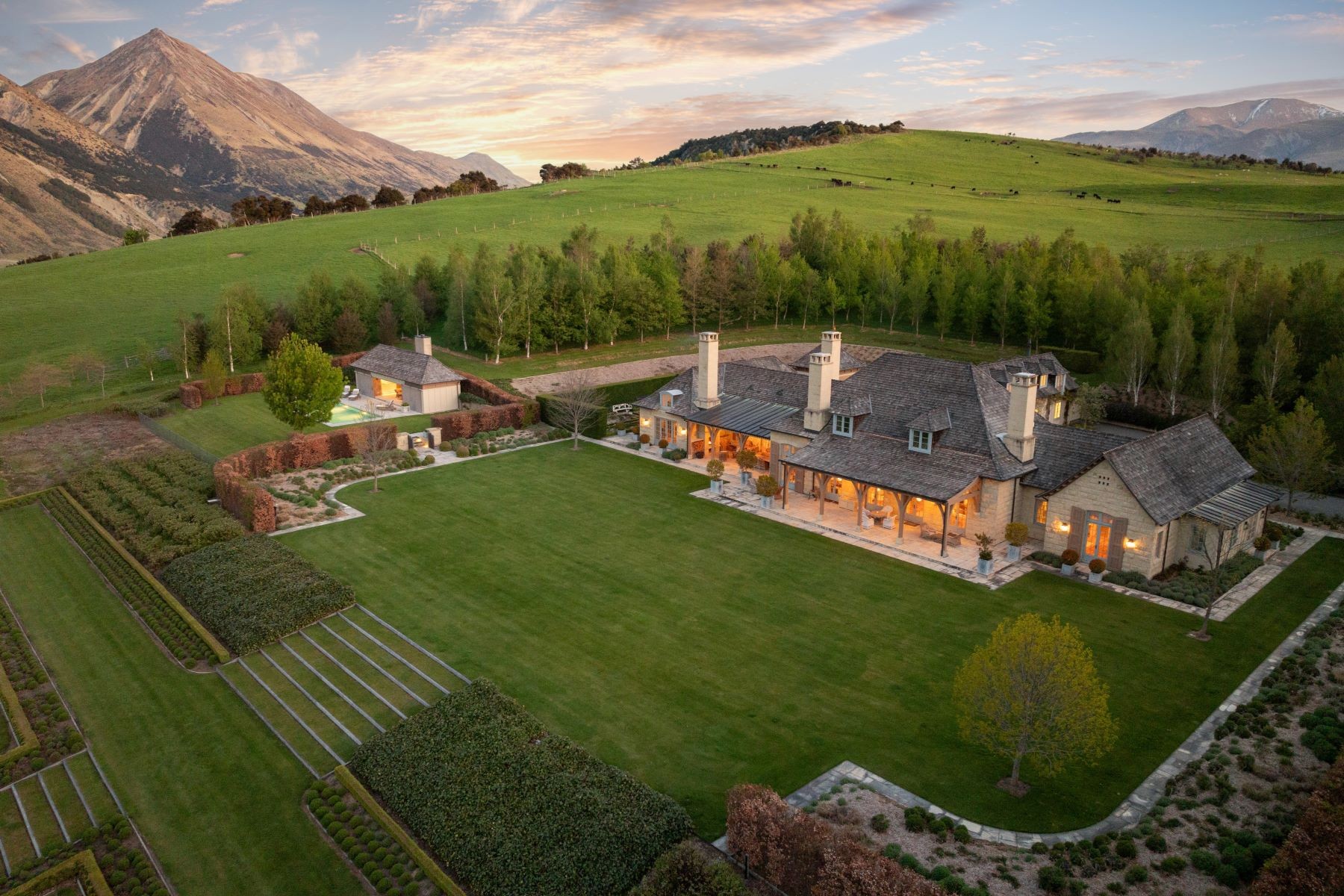
A quiet but structural shift is occurring across the upper echelon of the market. Rather than fragmenting their real estate portfolios across multiple smaller dwellings, wealthy families are consolidating. They are acquiring, commissioning, and expanding legacy properties designed to house three generations under one roof—or at least, within one sweeping estate.
The rise of multigenerational luxury homes New Zealand is not merely a post-pandemic reaction. It is a calculated response to shifting global dynamics, the complexities of wealth transfer, and a profound re-evaluation of how families wish to live.
02Architecture of Autonomy
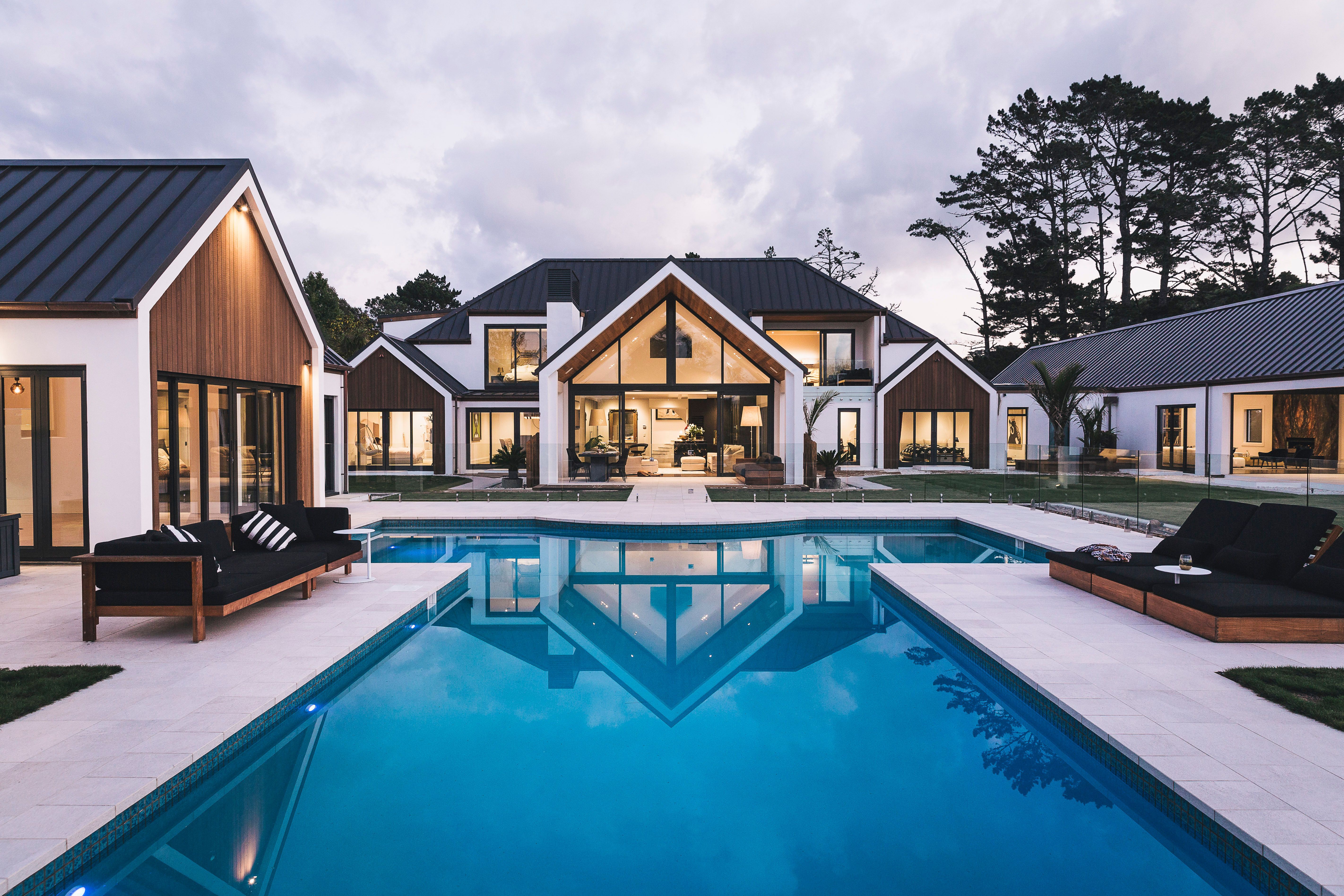
The contemporary multigenerational estate bears little resemblance to the crowded family homes of the past. Today’s iterations are masterpieces of decentralized architecture. The brief given to New Zealand’s top architectural practices has evolved from single-monolith mansions to compounded living spaces.
We are seeing the emergence of the 'village' concept. A primary residence anchored by communal entertaining spaces, flanked by architecturally sympathetic but entirely self-contained wings. These spaces offer dual or even triple primary suites, secondary sculleries, and private entrances.
For the patriarch and matriarch, it offers proximity to grandchildren without the friction of shared daily logistics. For the adult children—often high-earning professionals or entrepreneurs—it provides an anchor of stability and built-in childcare in an increasingly transient world.
Christchurch — established family estate architecture" />03The Wealth Management Perspective
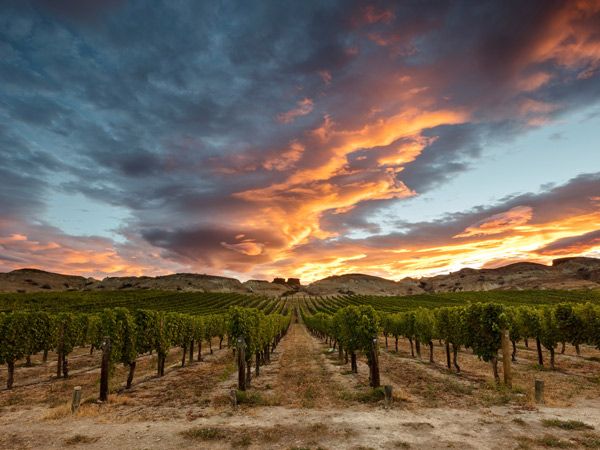
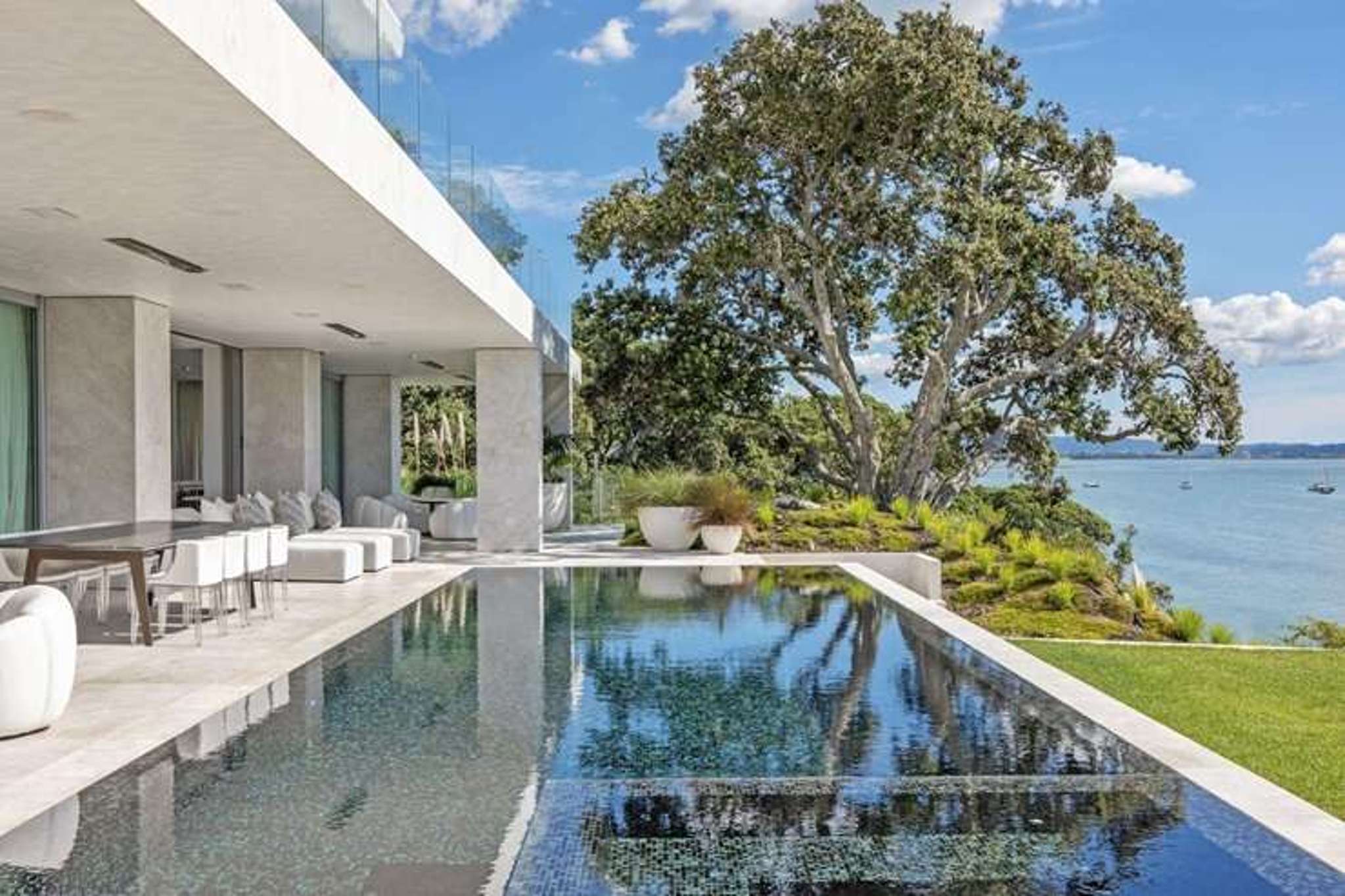
From an investment standpoint, the pivot toward the multigenerational estate is highly strategic. High-net-worth investors and family offices are increasingly viewing prime residential land as a defensive asset class. By pooling capital, families can secure irreplaceable legacy landholdings—waterfront parcels in the Bay of Islands, sprawling acreage in Coatesville, or alpine retreats in the Wakatipu Basin—that would be difficult to justify for a two-person retirement dwelling.
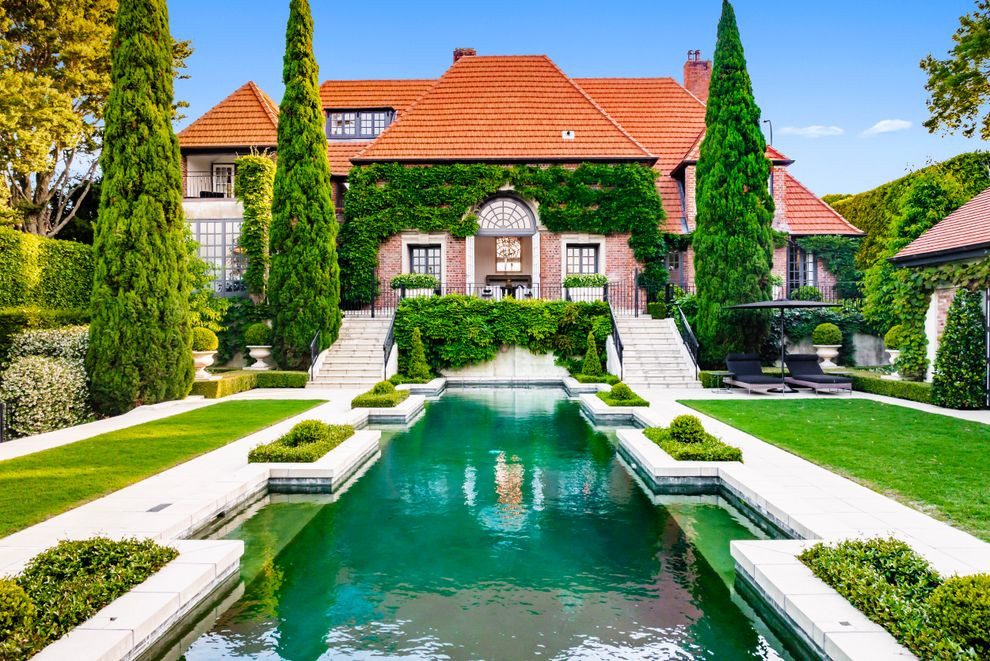
This consolidation of capital allows for a higher caliber of asset acquisition. The mathematics of wealth preservation strongly favor the retention of a singular, irreplaceable trophy asset over a dispersed portfolio of premium, but ultimately substitutable, urban properties.
Furthermore, these estates offer significant efficiencies in estate planning and wealth transfer. Rather than liquidating a family home to divide the proceeds—often triggering complex tax implications in various global jurisdictions—the estate becomes a shared family asset. It is held in trust, utilized collectively, and managed much like a boutique hotel. This structural approach ensures the physical asset remains intact, compounding in value while serving its primary purpose as the family seat.
04A Magnet for Global Capital
New Zealand’s status as a geographic and political safe haven accelerates this trend. Premium real estate agents are fielding unprecedented inquiries from expatriate Kiwis and international buyers seeking safe harbor. When they relocate, they are not coming alone.
The modern wealth migration often involves moving elderly parents from Europe or North America, alongside young children. Consequently, the demand for properties that can seamlessly accommodate varying mobility needs, medical support staff, and private educational tutors has surged. Elevators, wellness centers, and smart-home health monitoring are transitioning from luxury add-ons to non-negotiable requirements.
05The Premium on Privacy
Beyond capital and architecture, the ultimate luxury driving this trend is privacy. In a hyper-connected, easily surveilled world, the expansive family estate offers a private sanctuary. It is a controlled environment where extended families can gather, entertain, and retreat without public scrutiny.
The modern estate is increasingly self-sustaining. Bore water, commercial-grade solar arrays, and robust security infrastructure are standard. These properties are designed to function autonomously, providing a physical and psychological buffer against external volatility.
06Redefining the New Zealand Legacy
The implications for the luxury market are profound. As more capital flows into the creation of these generational estates, the supply of prime, large-scale residential land will continue to tighten. For serious luxury property buyers, the window to secure the acreage necessary for a true family compound in tier-one locations is narrowing.
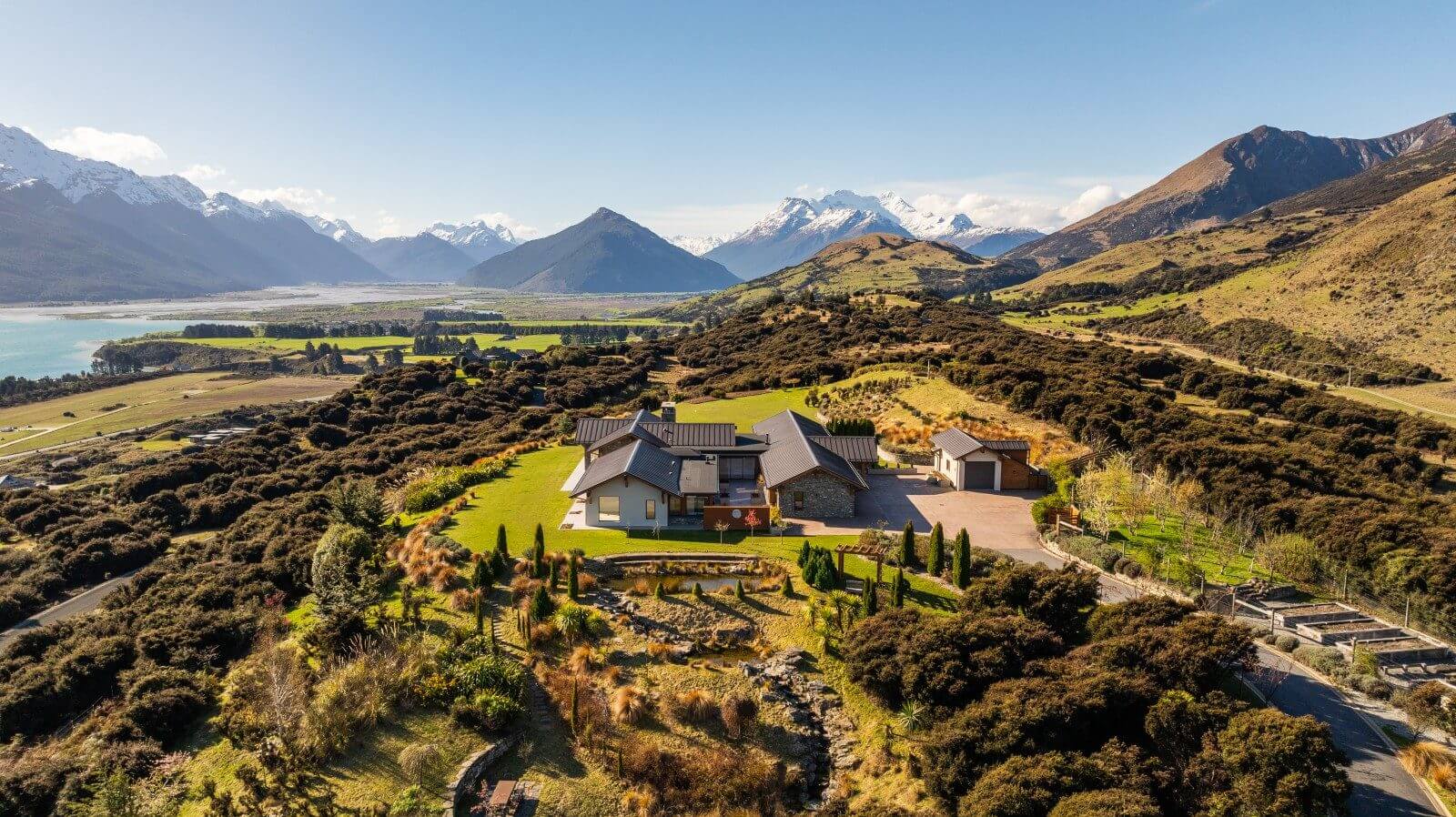
Premium real estate agents operating at the very top of the market must now pivot their advisory approach. Selling a multigenerational estate requires an understanding of complex family dynamics, trust structures, and long-term asset management. The transaction is rarely emotional in the traditional sense; it is a boardroom decision, debated by multiple stakeholders, wealth managers, and legal advisors.
The multigenerational estate represents the maturation of the New Zealand luxury market. It signals a move away from transient, status-driven real estate toward a long-term vision of family, resilience, and enduring legacy. It is no longer just about where you want to live right now. It is about where your family will anchor itself for the next hundred years.
Discover more exceptional New Zealand residences and market insights at NZ Luxury Homes — nzluxuryhomes.nz.