The arrival of the Michelin Guide’s hotel selection in New Zealand marks a watershed moment not just for the tourism sector, but for the ultra-prime residential property market. In September 2026, Michelin unveiled its latest global hotel selection, awarding its coveted 'Keys' to nine new New Zealand properties. This brings the national total to 28, comprising 18 One-Key and 10 Two-Key establishments. For discerning property buyers, high-net-worth investors, and premium real estate agents, this is far more than a hospitality milestone. It is a definitive indicator of where the apex of New Zealand real estate is heading.
- Michelin Key designations serve as a global audit of a region's luxury infrastructure, effectively reducing risk for high-net-worth property investors.
- A 'halo effect' is occurring in regions with Michelin-rated properties, resulting in tightening supply and upward price pressure on nearby legacy estates.
- Luxury residential architecture is evolving to include commercial-grade amenities like private wellness centres and wine cellars to meet the 'private lodge' standard.
- Discerning owners are increasingly positioning ultra-prime estates as dual-purpose assets, serving as private retreats while operating as high-yield luxury rentals.
Historically, the relationship between luxury hospitality and high-end residential real estate has been symbiotic. A world-class lodge establishes a destination's pedigree, drawing an international elite who, captivated by the landscape and lifestyle, inevitably seek a permanent foothold. The Michelin Key—a distinction evaluating architecture, service, and unique character—serves as an independent, globally recognised audit of a region's premium appeal.
01The Halo Effect on Regional Markets
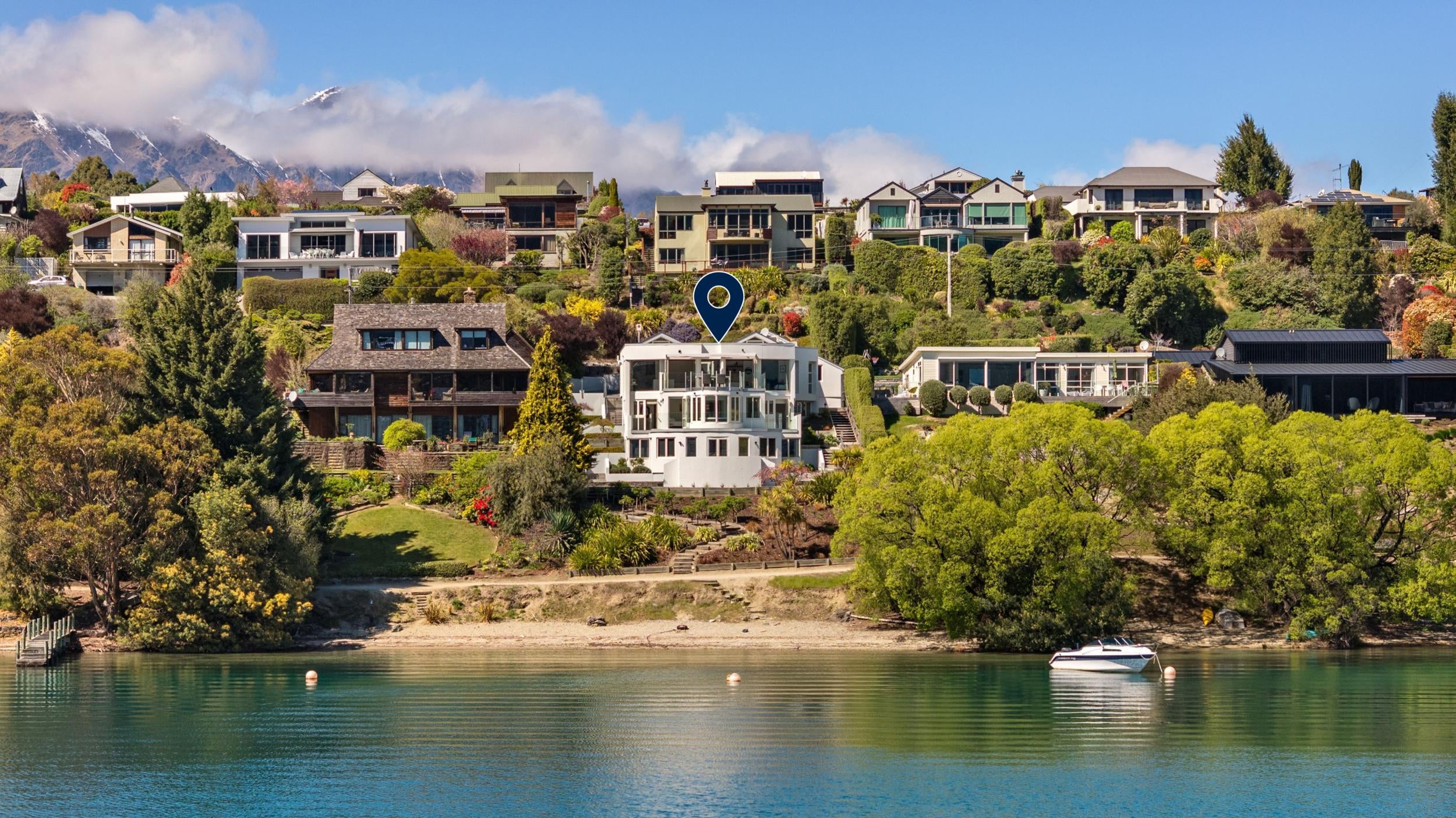
Consider the geographic distribution of the newly minted Michelin Key properties. From the Annandale Coastal Farm Escape in Akaroa to the Craggy Range Luxury Vineyard Retreat in Hawke's Bay, and the Hubert House Luxury Boutique Lodge in Queenstown, these establishments are situated in areas already known for their natural beauty. However, the Michelin endorsement acts as a powerful catalyst, creating a 'halo effect' that elevates surrounding property values.
When a destination is validated by Michelin, it signals to global capital that the local infrastructure, culinary scene, and service standards meet the highest international benchmarks. For a high-net-worth individual contemplating a $10 million-plus acquisition, this validation mitigates risk. It assures them that the lifestyle ecosystem surrounding their private asset is robust, sophisticated, and enduring. Consequently, we are observing a tightening of supply in the immediate vicinities of these Two-Key and One-Key properties, as investors move to secure land and legacy estates before the inevitable upward price correction.

02Architectural Convergence: The Private Lodge
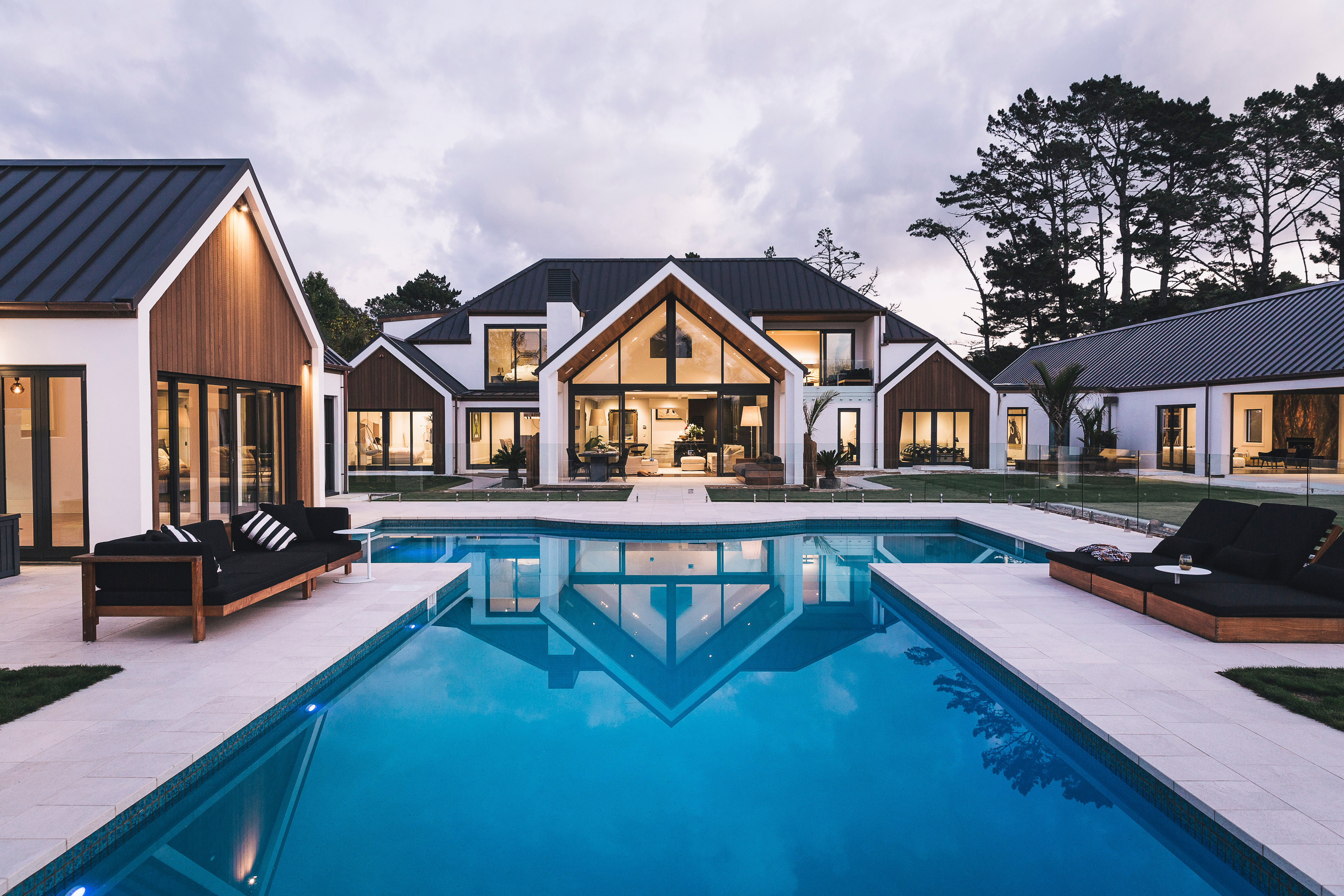
Beyond regional valuations, the Michelin Key criteria are profoundly influencing the architectural vernacular of New Zealand's luxury homes. The distinction between a Two-Key commercial lodge—such as The Lindis in the Ahuriri Valley or Blanket Bay in Glenorchy—and a contemporary ultra-prime private residence is rapidly dissolving. Today's luxury buyers are no longer satisfied with mere square footage; they demand the experiential architecture that defines Michelin-rated properties.
This convergence manifests in specific design requests. We are seeing a surge in demand for commercial-grade wellness facilities, subterranean wine cellars designed for curated tastings, and staff quarters that allow for seamless, invisible service. The integration of the built environment with the raw New Zealand landscape—a hallmark of properties like Hapuku Lodge & Tree Houses in Kaikōura—is now a baseline expectation for new residential builds in the $5 million to $15 million bracket. Buyers want the Michelin experience, but they want it entirely privatised.
03The Investment Imperative
For the astute investor, the expansion of the Michelin Guide in New Zealand presents a compelling narrative. The global luxury hospitality sector is currently facing significant supply constraints. Developing a property to the exacting standards required for a Michelin Key is capital-intensive and fraught with regulatory hurdles, particularly in New Zealand's pristine ecological zones. This scarcity of premium commercial supply inevitably drives high-net-worth travellers toward the ultra-prime residential rental market.
Investors acquiring legacy estates in Queenstown, Marlborough, or Canterbury are increasingly structuring these assets to serve dual purposes: as private sanctuaries and as high-yield, short-term luxury rentals. By aligning the design and service offering of their private homes with the standards of nearby Michelin-rated lodges, owners can command extraordinary nightly rates, effectively turning their lifestyle assets into high-performing micro-enterprises.
Ultimately, the 2026 Michelin Key announcements confirm what insiders have long known: New Zealand is no longer just a scenic outpost; it is a mature, globally competitive luxury destination. For the ultra-prime property market, this recognition is the ultimate tailwind, setting new benchmarks for value, design, and investment potential.