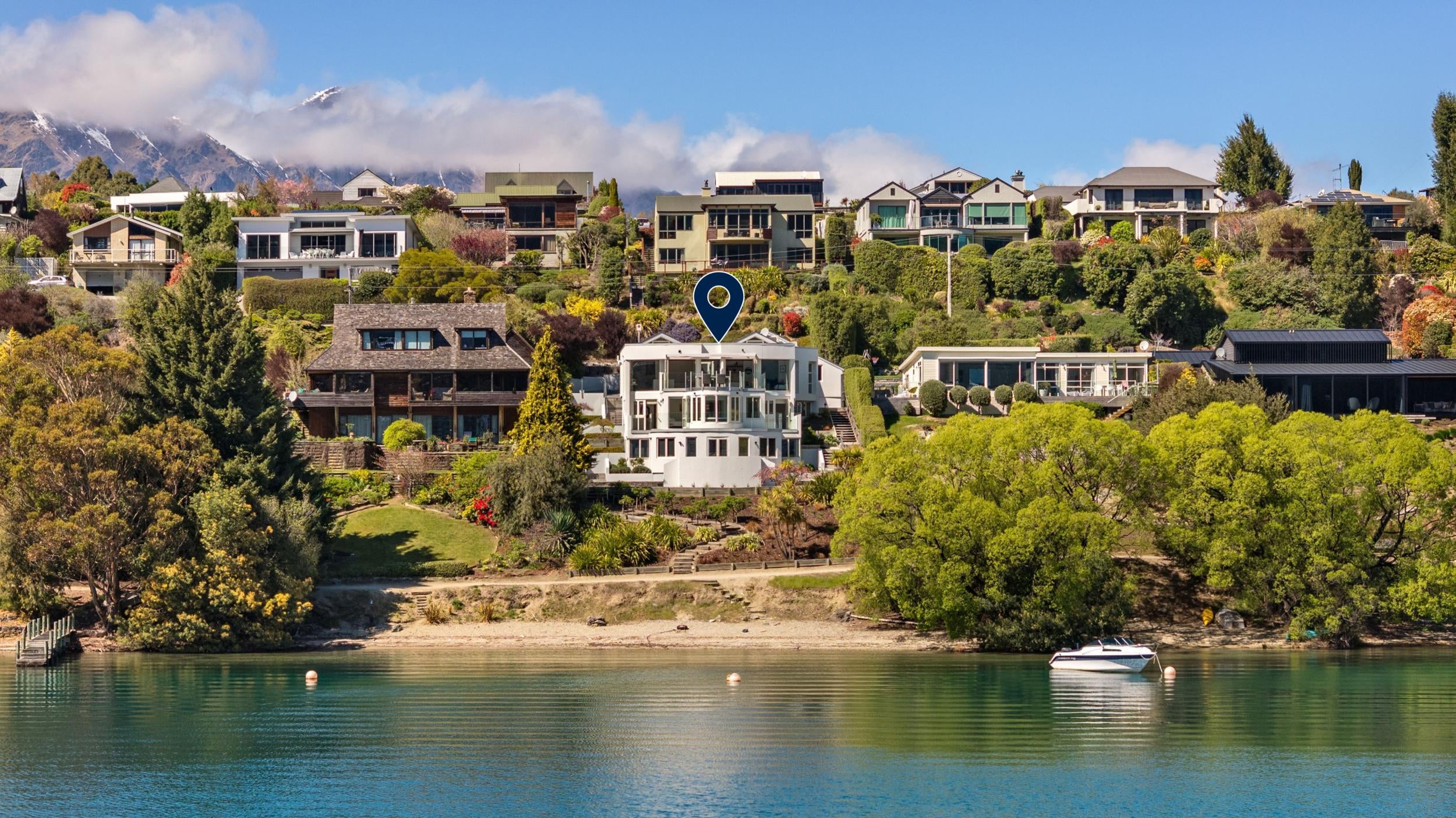
Relocating to New Zealand as a high-net-worth individual requires precise planning across immigration, tax residency, and property acquisition. The Active Investor Plus visa provides a structured pathway for those investing NZD $5 million or more, while recent policy adjustments allow eligible visa holders to purchase residential property above this threshold.
01How Does the Active Investor Plus Visa Connect to Property?
The Active Investor Plus (AIP) visa is the primary residency pathway for significant global investors. Administered by Immigration New Zealand, the programme requires a minimum investment of NZD $5 million over three years in the Growth category, or NZD $10 million over five years in the Balanced category. Applicants must meet strict character requirements, including a clean record regarding business fraud or financial impropriety.
Crucially for the residential market, recent policy adjustments have created a specific carve-out for AIP visa holders. While the 2018 foreign buyer ban remains in place for the general market, approved AIP investors are now permitted to purchase residential property priced at NZD $5 million or more. This targeted approach ensures that ultra-high-net-worth individuals can secure appropriate primary residences while fulfilling their investment obligations.
The visa also mandates physical presence. Growth category investors must spend at least 21 days in New Zealand during the 36-month investment period, while Balanced category investors must spend 105 days over 60 months. These requirements often dictate the timeline for acquiring a residence, making early engagement with premium real estate agents essential.
02When Do You Become a New Zealand Tax Resident?
Understanding tax residency is a critical early step in the relocation process. Inland Revenue (IRD) applies two primary tests to determine tax residency: the 183-day rule and the permanent place of abode test. You become a tax resident if you are present in New Zealand for more than 183 days in any 12-month period. Parts of days, including arrival and departure days, count as whole days.

However, the permanent place of abode test often triggers tax residency sooner for relocating individuals. If you establish a permanent place of abode in New Zealand, you are considered a tax resident regardless of the number of days spent in the country. IRD considers several factors, including how often you return, your family and social connections, economic interests, and whether you intend to live in New Zealand long-term.
Acquiring a significant residential property can be a strong indicator of a permanent place of abode. Therefore, structuring your property purchase and physical relocation requires coordinated advice from tax professionals and immigration counsel. Investing in New Zealand has complex tax consequences, and professional advice is paramount before transferring capital or acquiring assets.
03Where Are the Most Considered Locations for High-Net-Worth Buyers?
Choosing where to reside is a deeply personal decision, balancing lifestyle preferences with practical requirements. Auckland remains the primary commercial hub, with established enclaves like Remuera and Herne Bay offering enduring architectural homes and proximity to top-tier amenities. According to market data, a significant concentration of the country's premium properties is located in these central Auckland suburbs.
For those seeking a coastal lifestyle with proximity to the city, Waiheke Island provides a rare blend of privacy, vineyard estates, and sophisticated infrastructure. Further north, the Bay of Islands appeals to those prioritising maritime pursuits and expansive, secluded landholdings.
In the South Island, Queenstown and Wanaka represent the pinnacle of alpine living. These regions offer extraordinary landscapes and high-quality architectural builds. The market here is characterised by tight supply, with owners often holding properties for generations. For a deeper understanding of these regional nuances, explore our regional guides.

04What Are the Educational and Healthcare Options?
For families relocating, education is often the deciding factor in location selection. New Zealand offers a robust education system with several pathways. Private (independent) schools provide rigorous academic environments, often with smaller class sizes and extensive extracurricular facilities. Many of these institutions offer the International Baccalaureate (IB) or Cambridge Assessment International Education alongside the national curriculum.
State-integrated schools, which are former private schools now integrated into the state system, offer another high-quality option, often with a specific philosophical or religious character. Securing placements in top-tier schools requires advance planning, as waitlists can be extensive.
The healthcare system in New Zealand is a hybrid model. Residents and citizens have access to the public healthcare system, which provides comprehensive emergency and essential care. However, most high-net-worth individuals opt for private health insurance to ensure immediate access to elective procedures and specialist consultations. Private hospitals in major centres offer world-class facilities and highly regarded medical professionals.
05How Should You Manage the Practicalities of Relocation?
The physical transition of household contents requires meticulous coordination. Engaging a specialised international moving firm experienced in handling high-value items, fine art, and wine collections is essential. New Zealand has strict biosecurity and customs regulations. All arriving individuals must complete a New Zealand Traveller Declaration (NZTD), which collects customs, immigration, and biosecurity details.

The timeline from the initial decision to receiving the keys to a new property can span several months to over a year, depending on visa processing and property availability. Many relocating individuals employ a relocation concierge to manage this complex process. These professionals coordinate everything from school enrollments and utility connections to staffing the new residence.
A concierge service ensures a seamless transition, allowing you to focus on your professional and personal priorities while the practical details are managed with discretion and efficiency.
06Curating Your New Zealand Portfolio
Relocating to New Zealand is a significant undertaking, requiring a considered approach to property acquisition. The market at the NZD $3 million-plus level operates with a degree of discretion, and many of the most desirable properties are transacted off-market. Engaging with a platform that understands the nuances of this tier is crucial.
At NZ Luxury Homes, we provide a curated selection of the country's most exceptional properties. Whether you are seeking an architectural statement in Queenstown or a private estate in Auckland, our platform connects you with the right opportunities. For those requiring the utmost discretion, we invite you to explore our Private Collection, where off-market opportunities are presented to qualified buyers. If you are an international buyer navigating the AIP pathway, our resources and network of premium agents are available to assist in securing your ideal New Zealand residence. Visit nzluxuryhomes.nz to begin your search.
Disclaimer: The information provided in this article regarding immigration, tax, and legal matters is for general informational purposes only and does not constitute professional advice. Readers should consult with qualified legal, tax, and immigration professionals regarding their specific circumstances.

07Frequently Asked Questions
What is the minimum investment for the Active Investor Plus visa?
The Active Investor Plus visa requires a minimum investment of NZD $5 million in the Growth category or NZD $10 million in the Balanced category. These funds must be invested over a three to five-year period.
Can foreign buyers purchase luxury property in New Zealand?
While a general foreign buyer ban exists, recent policy changes allow approved Active Investor Plus visa holders to purchase residential properties priced at NZD $5 million or more. This provides a specific pathway for ultra-high-net-worth individuals.
How is tax residency determined in New Zealand?
Tax residency is determined by Inland Revenue using the 183-day rule (presence in NZ for more than 183 days in a 12-month period) and the permanent place of abode test. Establishing a permanent home in New Zealand often triggers tax residency immediately.
What are the primary schooling options for relocating families?
Families typically choose between private (independent) schools, which often offer International Baccalaureate or Cambridge curricula, and state-integrated schools. Early application is advised due to high demand and waitlists.