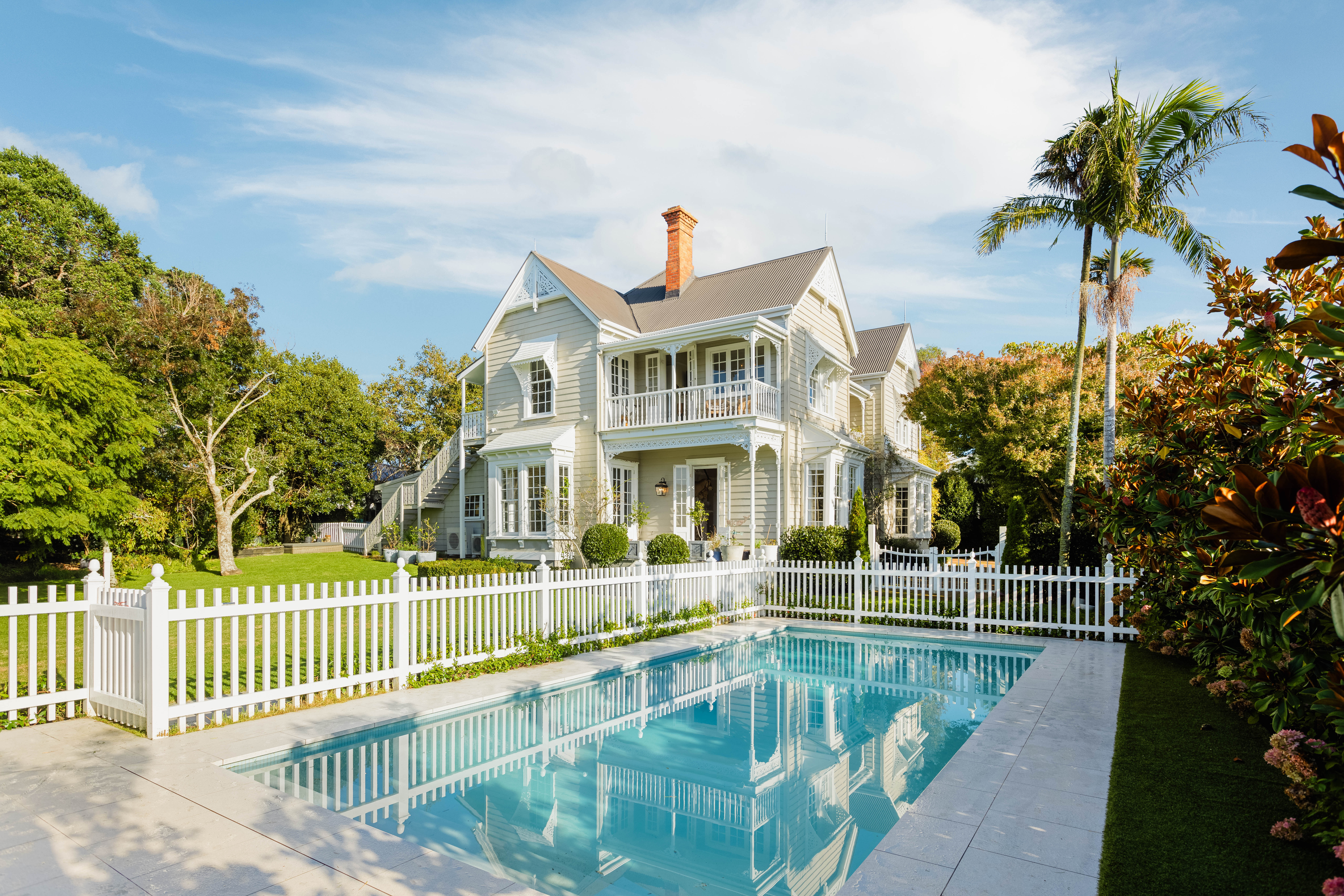
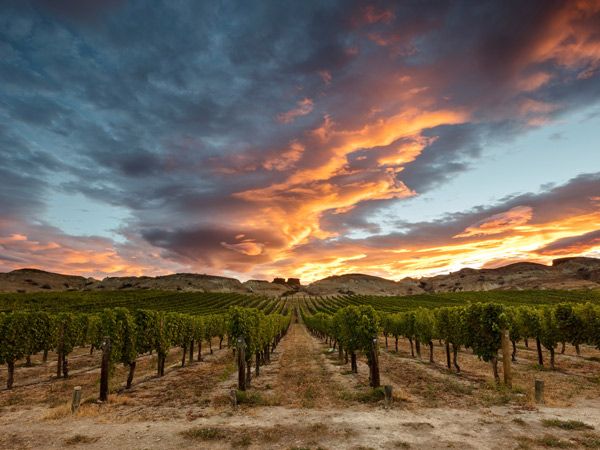
There is a fundamental recalibration occurring at the apex of New Zealand's property market. For the first time in nearly a decade, the gates to offshore capital have been selectively, and strategically, unlocked. The mechanism is the Active Investor Plus (AIP) visa—a nuanced policy carve-out permitting qualified foreign investors to acquire residential property valued above the $5 million threshold. The result is an immediate, asymmetrical shock to a prestige market that was never designed for global volume.
- The AIP visa provides a specific pathway for residential property investment.
- Foreign capital inflow is causing an 'asymmetrical shock' to luxury supply.
- Queenstown is challenging Auckland as the primary destination for prestige capital.
- Market demand for $5M+ properties is exceeding inventory levels significantly.
The numbers are uncompromising. Recent market intelligence indicates a 53 per cent surge in international searches for New Zealand property over the $5 million mark in the first half of 2026 alone. American interest, driven by a cocktail of geopolitical friction and the enduring appeal of a Pacific safe haven, has spiked by an astonishing 73 per cent. Yet, this sudden injection of high-net-worth demand has collided with a stark reality: Aotearoa faces a severe deficiency in elite, move-in-ready inventory.
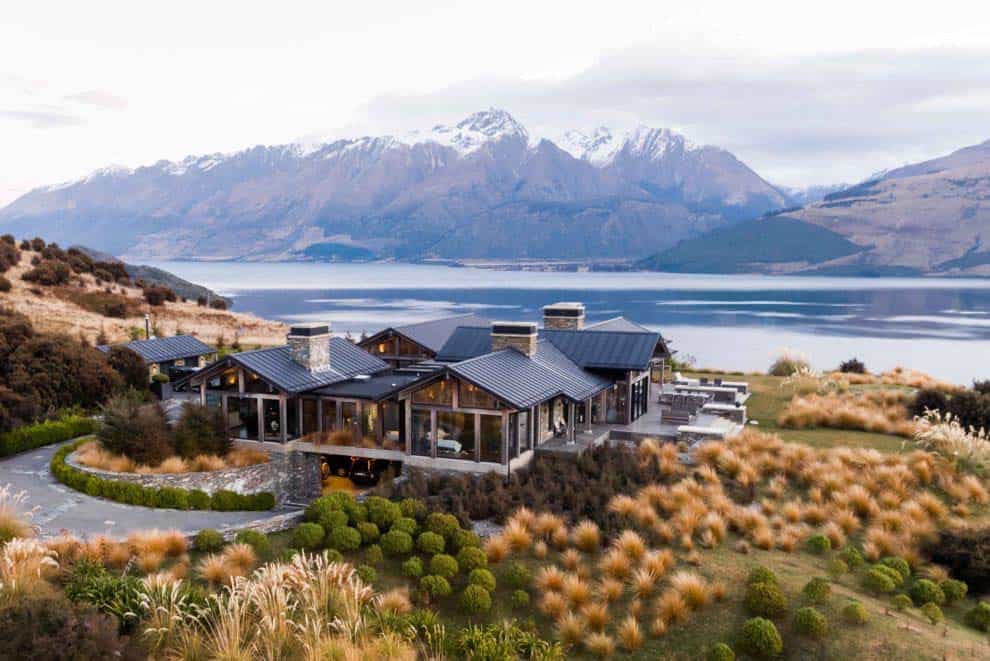
 Queenstown and Lake Wakatipu — the ultra-luxury landscape drawing active investor plus visa holders" />
Mountainwatch
01The $10 Million Vacuum
To understand the current bottleneck, one must look beyond the entry-level prestige tier. While the AIP visa threshold sits at $5 million, the truly stratospheric demand—the capital deployed by international family offices, tech founders, and legacy wealth—is actively seeking assets in the $10 million to $30 million bracket. At this altitude, the air is remarkably thin.
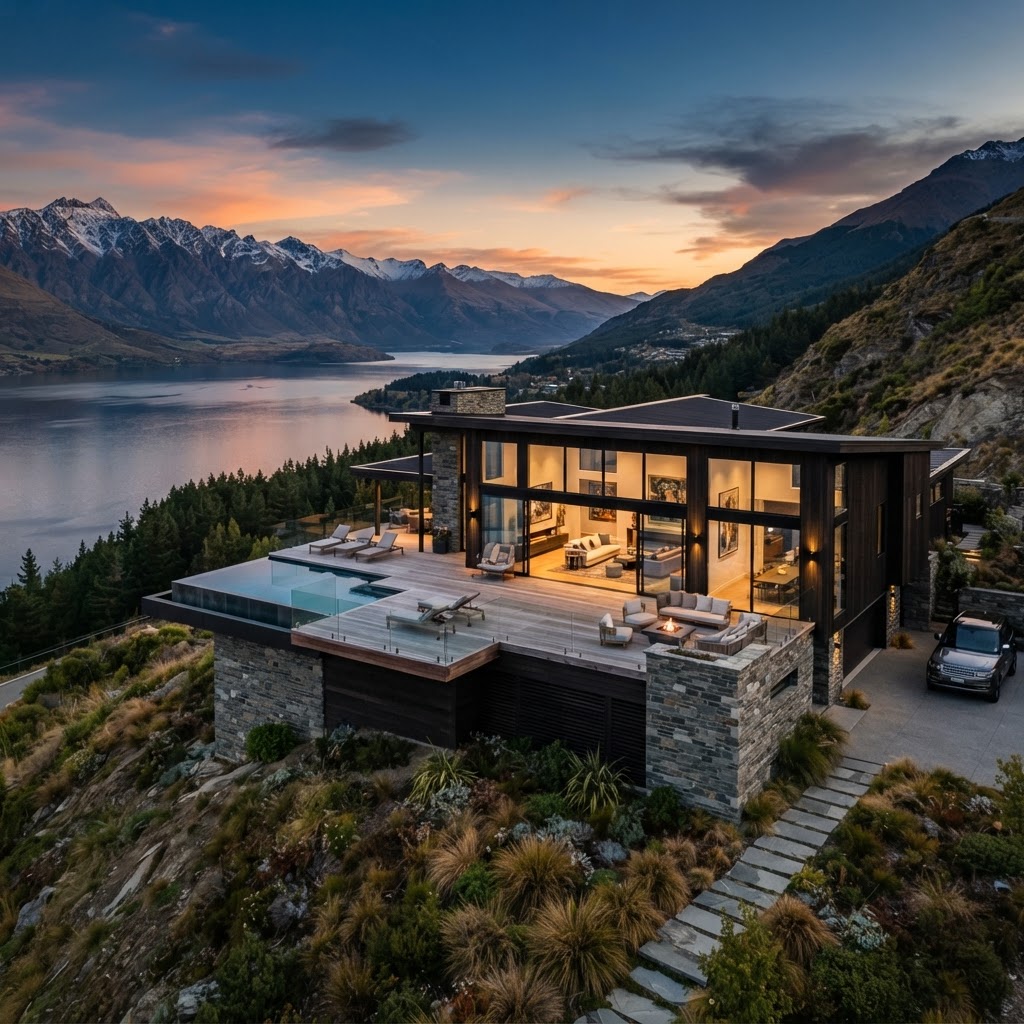
Data reveals that of the roughly 7,000 homes in New Zealand valued over $5 million—a mere 0.4 per cent of the national housing stock—only a fraction are ever actively listed. Above $10 million, the national inventory shrinks to just over 140 properties. The supply side has simply not had the runway to respond to this overnight demand shock.
For high-net-worth developers and institutional investors, this vacuum presents a profound, nine-figure opportunity. Delivering even half a dozen turn-key residences that genuinely meet international ultra-luxury standards represents a capital project well north of $100 million. The market is effectively begging for product. The buyers have arrived, their visas are approved, and their capital is ready to deploy, but the architectural supply is critically lagging.
02The Southern Hegemony
Perhaps the most fascinating byproduct of this global pivot is the geographic redistribution of prestige. For decades, Auckland held the undisputed title of New Zealand's most expensive and active real estate market. But in 2026, that crown has decisively slipped South.
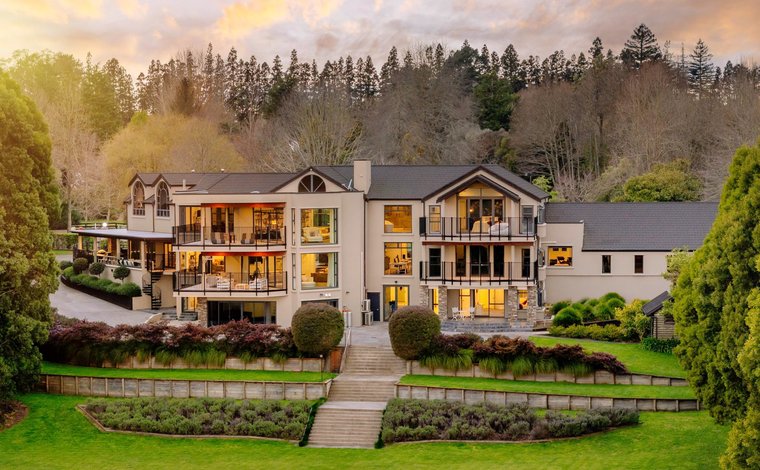
Otago has officially overtaken Auckland as the nation's premier luxury market. While Auckland's prestige median has flatlined around $2.5 million for the past three years, Otago has surged to $2.7 million. This shift is anchored almost entirely by the gravitational pull of the Queenstown-Lakes district. Suburbs like Kawarau Falls and Kelvin Heights are experiencing historic appreciation, driven by a potent triad of constrained land supply, unparalleled lifestyle premiums, and the sudden influx of AIP visa holders.
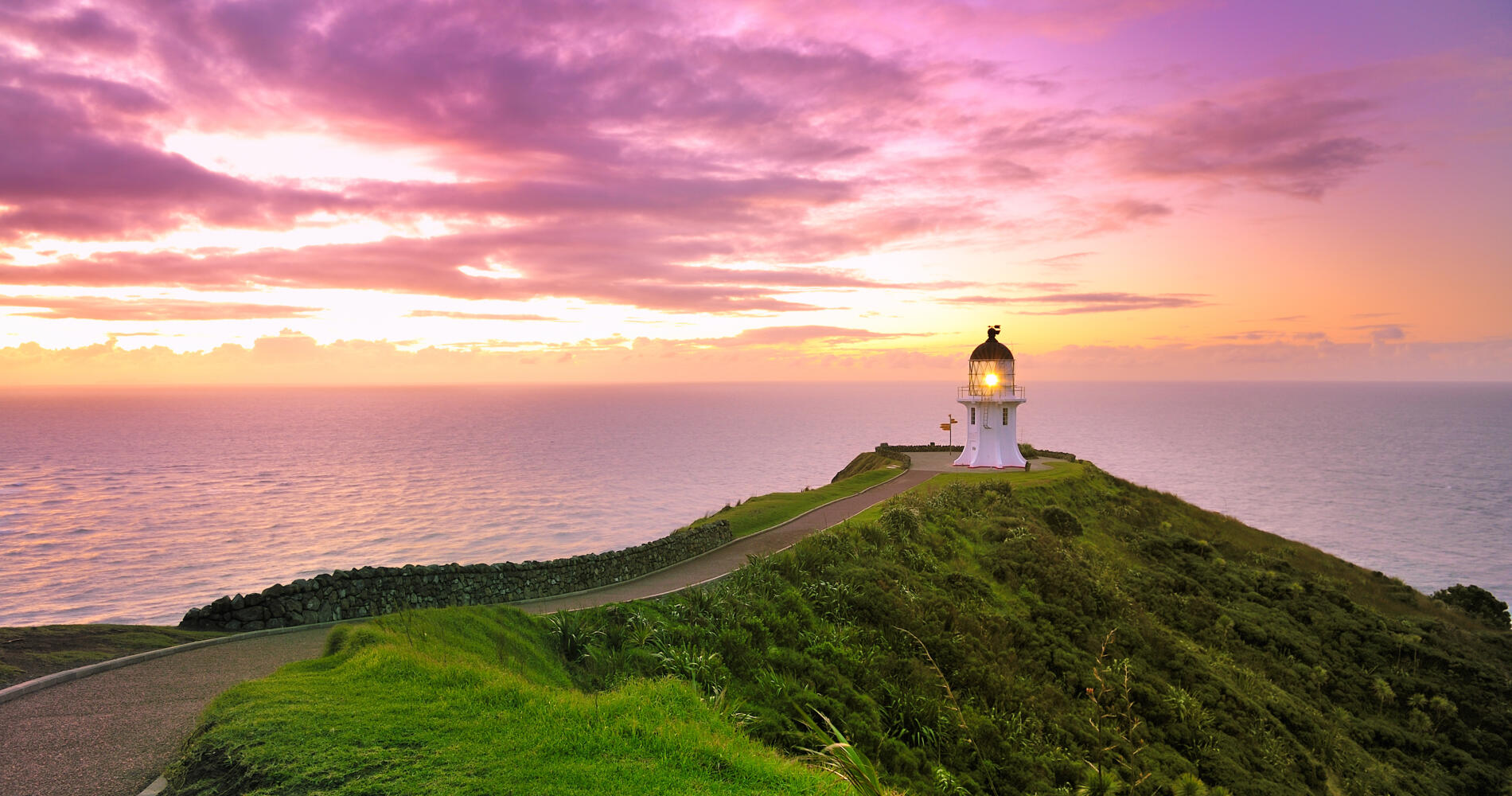 Bay of Islands — Northland waterfront estates attracting international capital" />
Tourism New Zealand
Auckland's luxury sector, while still commanding the lion's share of total inventory, recorded a nominal 4.4 per cent growth over the last decade. By contrast, Queenstown's tightly held enclaves have seen triple-digit growth. The global wealthy are no longer satisfied with a suburban Auckland compound; they demand the architectural drama of the Southern Alps, the proximity to world-class viticulture, and the logistical convenience of direct private aviation.
03Elevating the Architectural Standard
What this means for the premium agent and the discerning buyer is a complete reassessment of value. We are no longer pricing properties based solely on domestic comparables. We are pricing them against the chalets of Gstaad, the ranches of Aspen, and the coastal estates of Byron Bay.
International buyers arriving with AIP status do not wish to undertake multi-year renovations, nor do they want to navigate local resource consents. They are seeking architectural pedigree, seamless ecological integration, and absolute discretion. Baseline requirements for the ultra-wealthy now include:
- Commercial-grade wellness and recovery centers
- Subterranean motor galleries with EV redundancy
- Off-grid energy systems and advanced security protocols
- Architectural integration with native topography
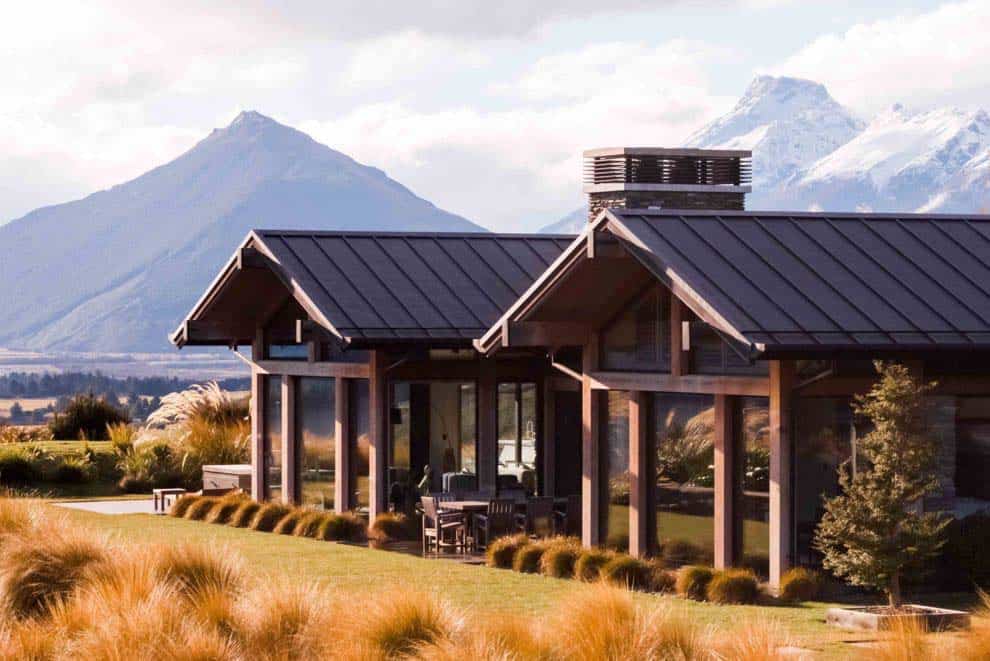
Furthermore, privacy has emerged as the ultimate luxury commodity. Estates that offer fortified seclusion, surrounded by hectares of pristine native bush yet remaining within a 15-minute helicopter transfer to an international airport, are commanding immense premiums. Properties that can deliver this elusive combination are transacting with unprecedented speed, often entirely off-market.
A Generational Wealth Event
The New Zealand luxury market has crossed the Rubicon. As the supply crunch tightens in the latter half of 2026, the gap between generic premium properties and true global-standard luxury will only widen. Premium real estate agents are now required to operate as global wealth advisors, curating portfolios rather than simply marketing homes.
For those holding the right assets—or possessing the capital and foresight to build them—the current landscape is not just a temporary market fluctuation. It is a structural evolution. New Zealand is no longer just a beautiful destination; it is an established asset class on the global stage. And the smart money is moving now.
Discover more exceptional New Zealand residences and market insights at NZ Luxury Homes — nzluxuryhomes.nz.