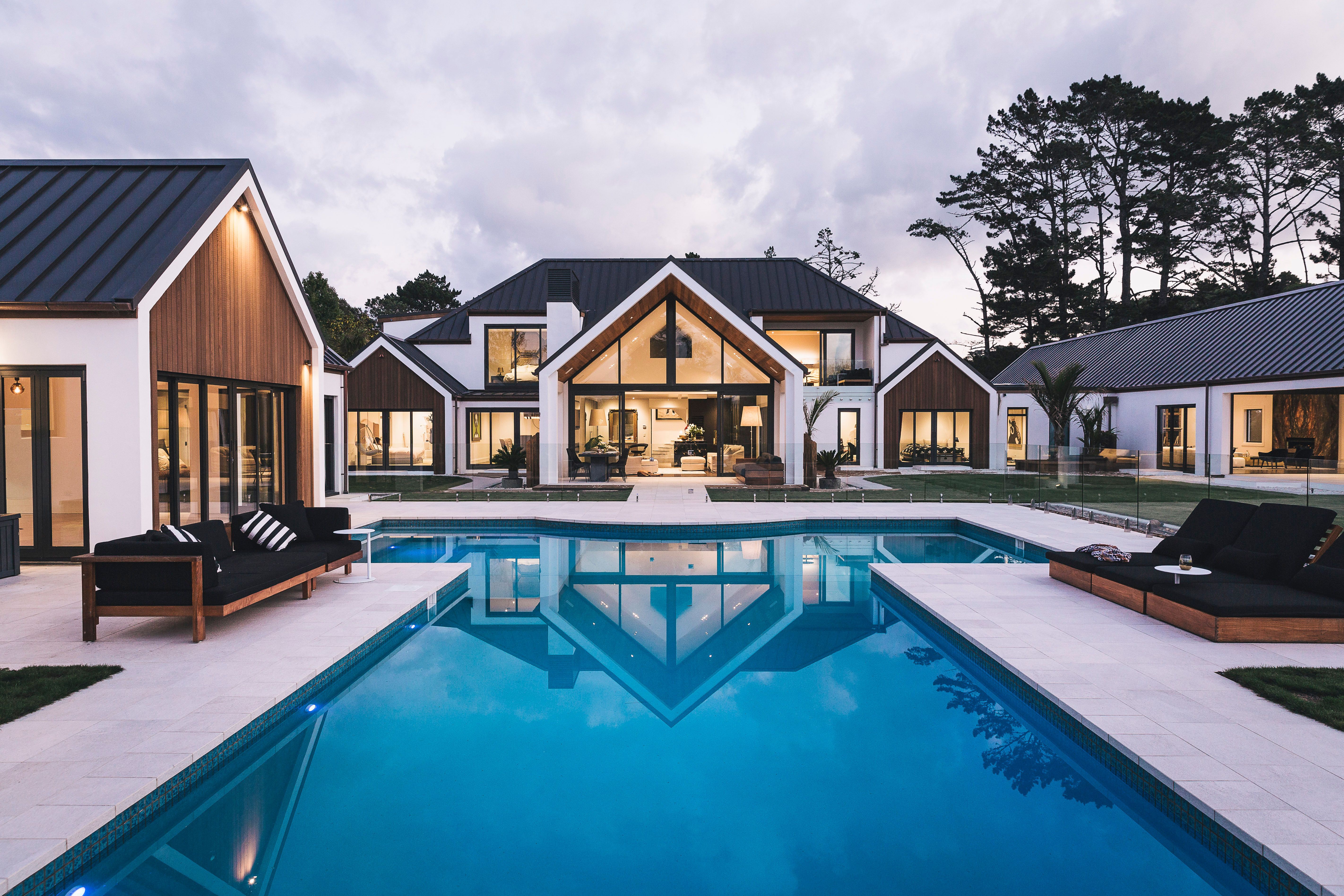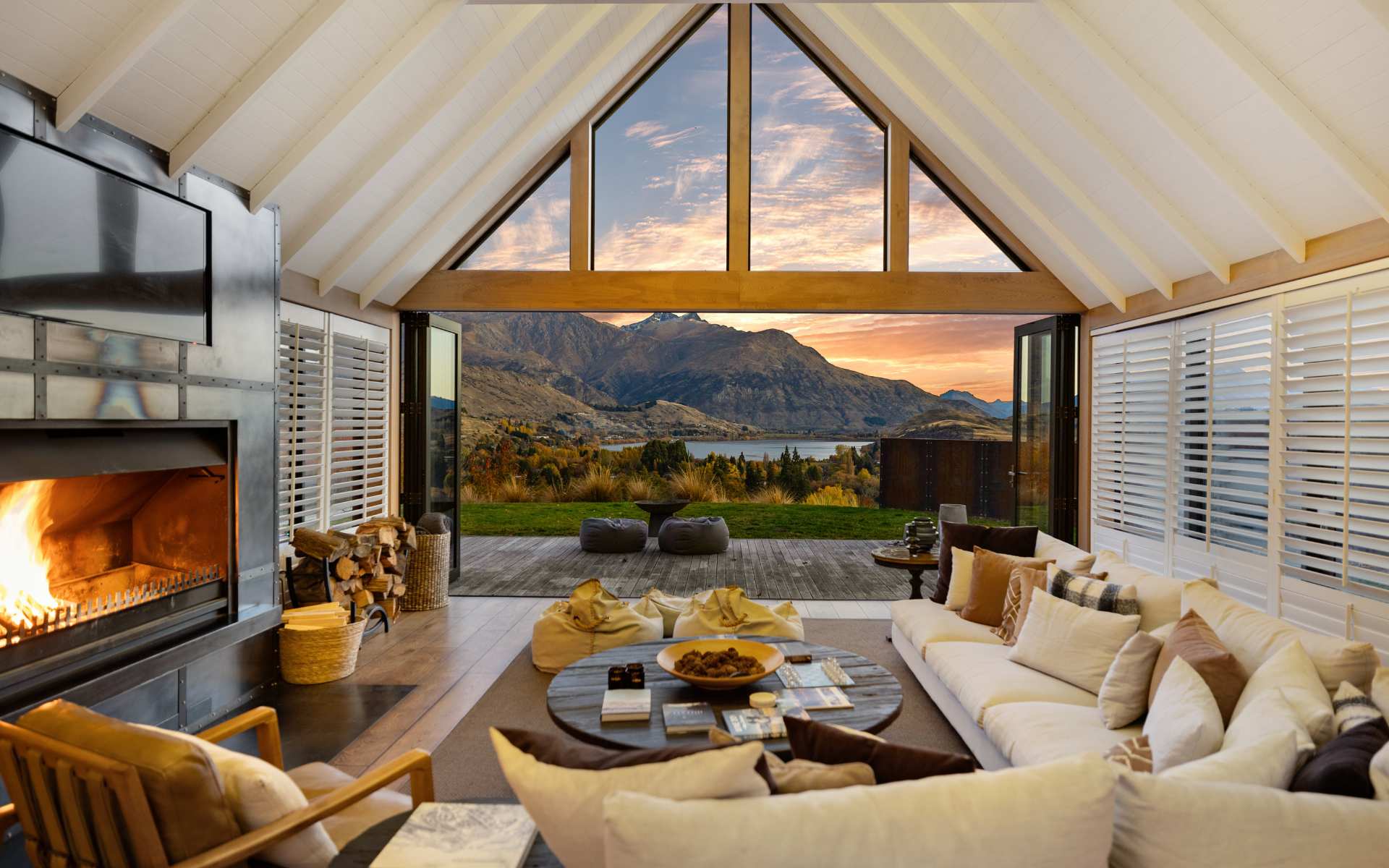
There is a new holding pattern in New Zealand’s highest property echelons, and it comes with a $30,000-a-week price tag.
- The AIP visa mandates a NZ$5M investment, filtering for high-capital international investors.
- There is concentrated demand at the $5M+ threshold as investors balance visa compliance with asset value.
- International buyers view NZ property as a stable, long-term growth and residency solution.
- Sophisticated buyers structure property investments to fulfill both lifestyle and immigration mandates.
- The policy has created a high-value bracket specifically targeting high-growth luxury assets.
Since the highly anticipated reforms to the Overseas Investment Act took effect on 6 March 2026, the doors to New Zealand’s luxury real estate market have cautiously reopened to global capital. Under the revised Active Investor Plus (AIP) visa, wealthy foreign buyers are now permitted to acquire residential properties priced above $5 million. The policy shift was designed to stimulate offshore investment. Instead, it has inadvertently birthed an entirely new micro-economy: the ultra-premium, try-before-you-buy lease.
 Queenstown — the super-prime market where active investor plus visa holders are renting at record rates" />
Mountainwatch
01The Rise of the Trophy Lease
As offshore investors—predominantly from North America—arrive to scout the market, they are discovering an immediate bottleneck. Inventory at the absolute top end is historically tight. According to recent market intelligence, only about 7,000 dwellings nationwide meet the $5 million threshold, representing a mere 0.4 percent of New Zealand’s total housing stock. Industry consensus suggests only around 350 of these trophy properties will actually trade this year.
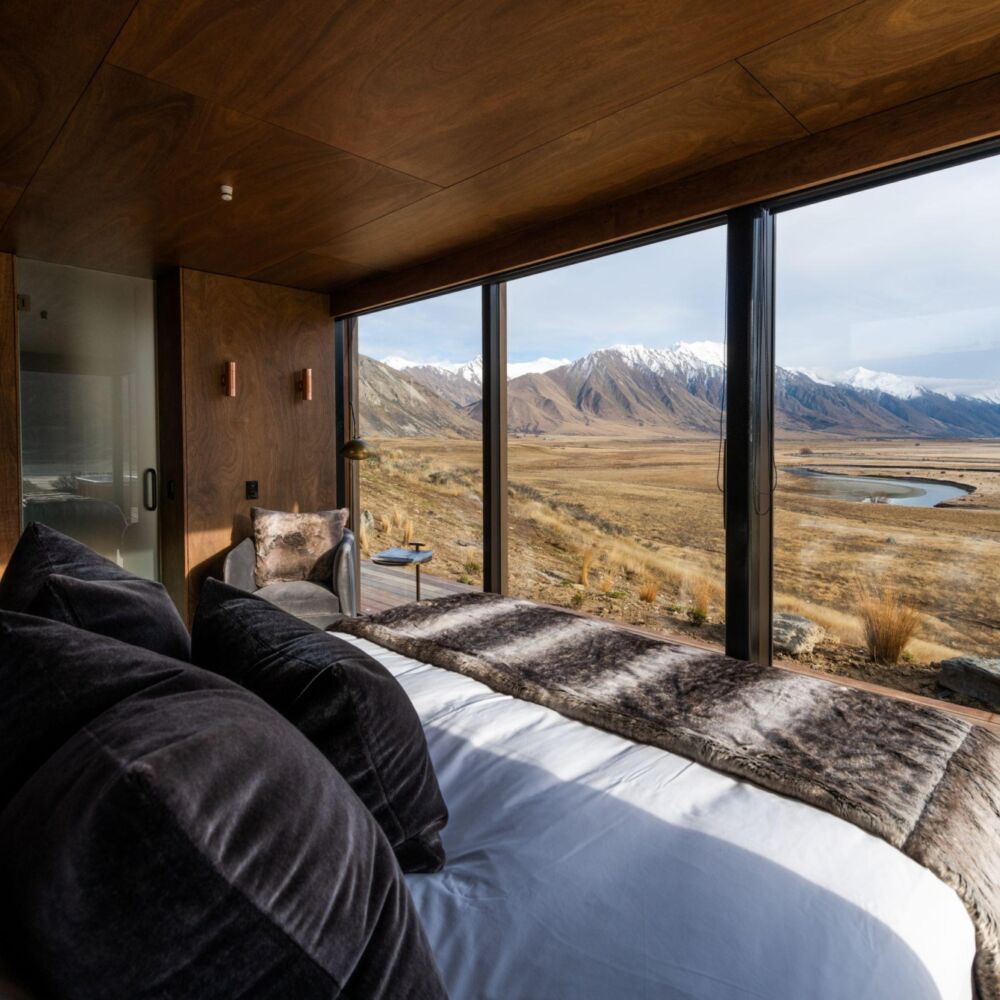
Faced with a scarcity of turnkey super-prime homes, these ultra-high-net-worth buyers are opting to wait. But they are not waiting quietly. They are securing Auckland waterfront estates and Queenstown alpine retreats on short-to-medium-term leases, routinely paying between $20,000 and $30,000 per week to immerse themselves in the lifestyle while they hunt for the perfect acquisition.
The Scarcity of the Turnkey Trophy
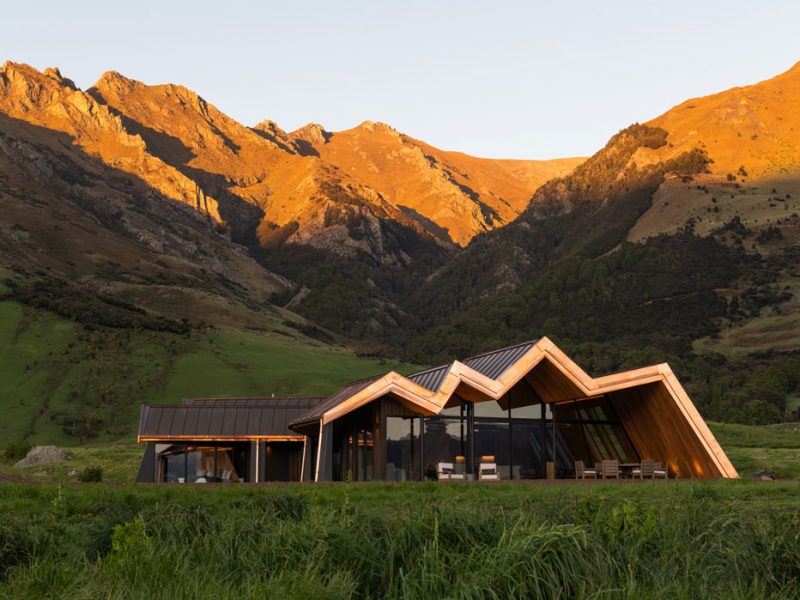
Beyond geographical constraints, the current bottleneck is fundamentally architectural. The incoming cohort of international buyers does not want to build. In an environment marked by elevated construction costs and complex consenting processes, the appetite for development risk is remarkably low. These buyers are seeking turnkey perfection: architectural masterpieces that are fully automated, seamlessly integrated into their surroundings, and ready for immediate occupation.
This preference for the finished product is placing a massive premium on newly completed luxury estates. Homes designed by globally recognised architects—featuring bespoke material palettes, advanced sustainability credentials, and uncompromising privacy—are transcending traditional valuation models. They are no longer priced on comparable sales; they are priced on their absolute irreplaceability.
02A Tale of Two Markets: Queenstown Eclipses Auckland
This influx of elite capital is reshaping regional hierarchies. For decades, Auckland’s leafy enclaves—Herne Bay, Remuera, and Parnell—dictated the ceiling of New Zealand real estate. But the post-pandemic cycle, culminating in this year’s AIP visa reforms, has fundamentally altered the landscape.

Patterson Associates
Otago has officially overtaken Auckland as the country’s most expensive luxury market. While Auckland’s premium tier has largely hovered around the $2.5 million baseline for the past three years, Queenstown-Lakes has accelerated. Driven by profound supply constraints, a globally recognised lifestyle premium, and this new wave of international demand, Otago’s luxury benchmark has climbed to $2.7 million in 2026.
Queenstown is no longer just an alpine resort; it is a global wealth haven. And for the international buyer, it offers a rare trifecta: geographical isolation, political stability, and natural amenity that cannot be replicated or zoned for higher density.
03The Hybrid Strategy for Vendors
For high-net-worth investors and premium real estate practitioners, this leasing phenomenon demands a strategic pivot. While the broader New Zealand housing market remains sluggish—grappling with a 40 percent mortgage repricing wall and flat sales volumes—the super-prime sector is operating in a distinct, insulated reality.
Vendors of $5 million-plus properties who previously faced a stagnant market are now unlocking extraordinary yields. A prestige home that might have commanded $2,000 a week in the domestic executive rental pool is now securing upwards of $7,000 a week from vetted international tenants. It is a highly lucrative stopgap strategy: lease to an AIP visa holder today, with the option to negotiate an off-market acquisition tomorrow.
This hybrid model of short-term, ultra-high-yield leasing as a bridge to an eventual sale is changing how prime property is transacted. It allows vendors to monetise their assets while bypassing the fatigue of a prolonged public listing.
04The Forward Outlook
The implications of the March 2026 reforms are only beginning to materialise. As New Zealand Trade and Enterprise reports a 700 percent surge in traffic regarding the AIP visa, the pipeline of arriving capital is robust.
Competition is inevitably going to intensify. The standoff will not be between local buyers and foreign investors; rather, it will be a race amongst the global elite to secure a shrinking pool of legacy assets. For serious purchasers, the window to negotiate on prime waterfront or alpine land without competing against heavily capitalised foreign interest is rapidly closing.
For investors, the mandate is clear: the yield profile of New Zealand’s super-prime real estate has fundamentally shifted. The holding pattern is highly profitable, but the true prize remains the asset itself.
Discover more exceptional New Zealand residences and market insights at NZ Luxury Homes — nzluxuryhomes.nz.