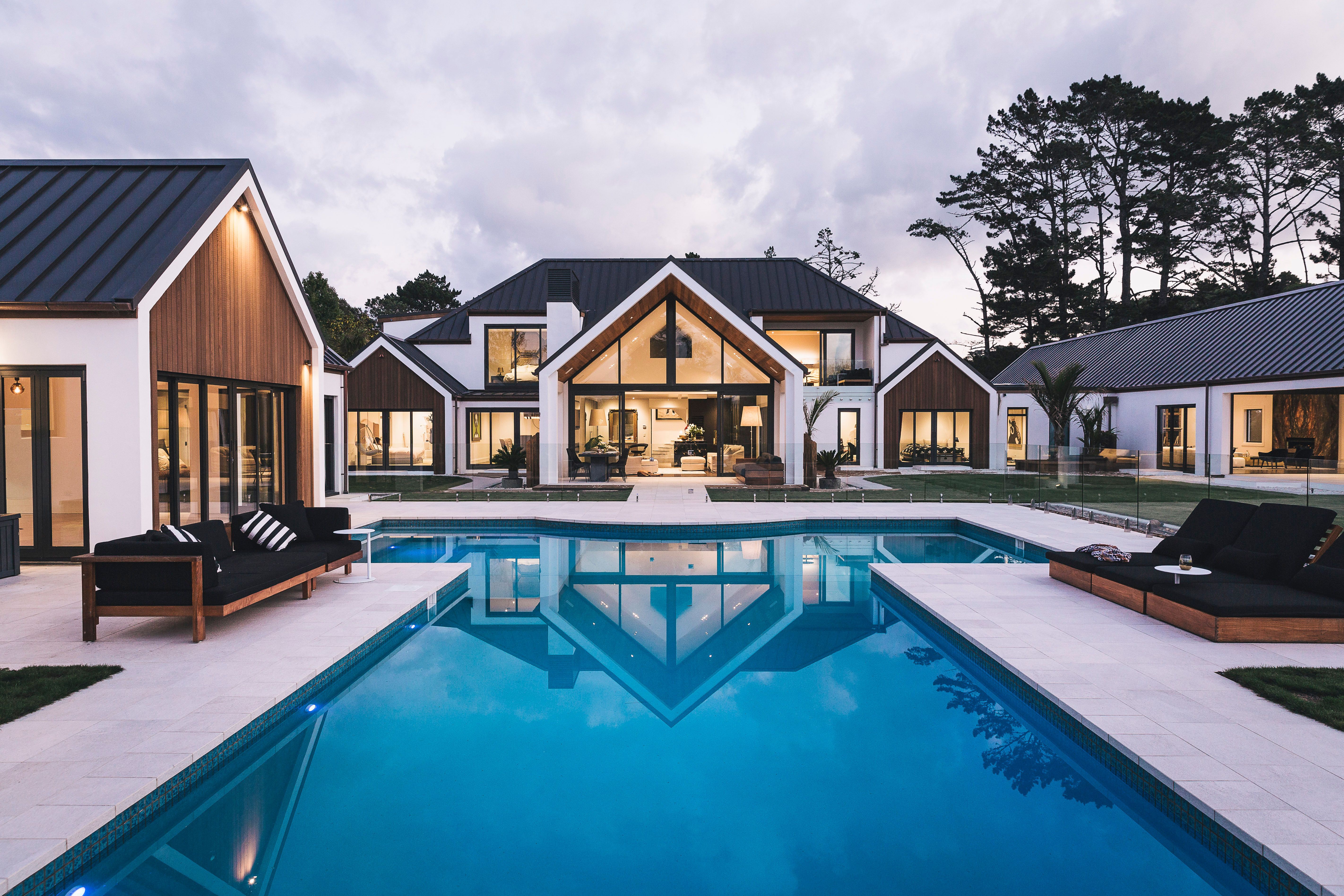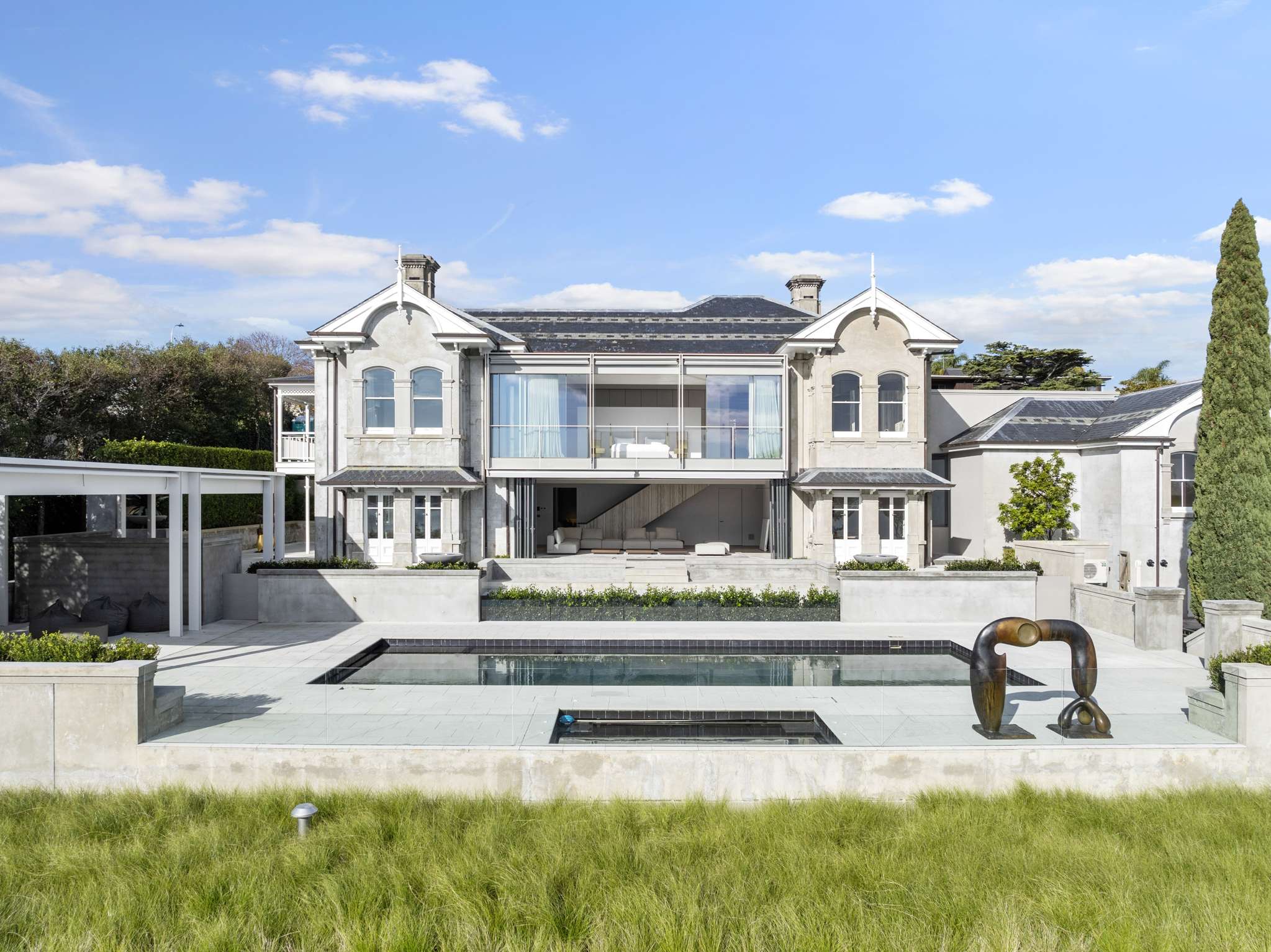
The broader New Zealand property market is currently engaged in what might politely be termed a sideways shuffle. Driven by elevated interest rates and mainstream economic hesitancy, the national landscape has entered a sustained period of price consolidation. Yet, peer behind the curtain of the general statistics, and a profoundly different narrative is unfolding at the absolute apex of the market.
- The $10M+ market operates independently of the broader NZ housing correction.
- Supply constraints are the primary driver of price resilience at the top end.
- Increased construction costs have elevated the entry price for new builds.
- Policy changes, including visa pathways, are attracting high-net-worth international capital.
For homes priced above $10 million, the rules of gravity have shifted. A rare convergence of sweeping visa policy changes, a critical supply drought, and runaway construction costs has created a unique window of structural mispricing. For high-net-worth buyers and the premium agents who represent them, this is not a market of hesitation. It is a market of quiet, strategic acquisition.
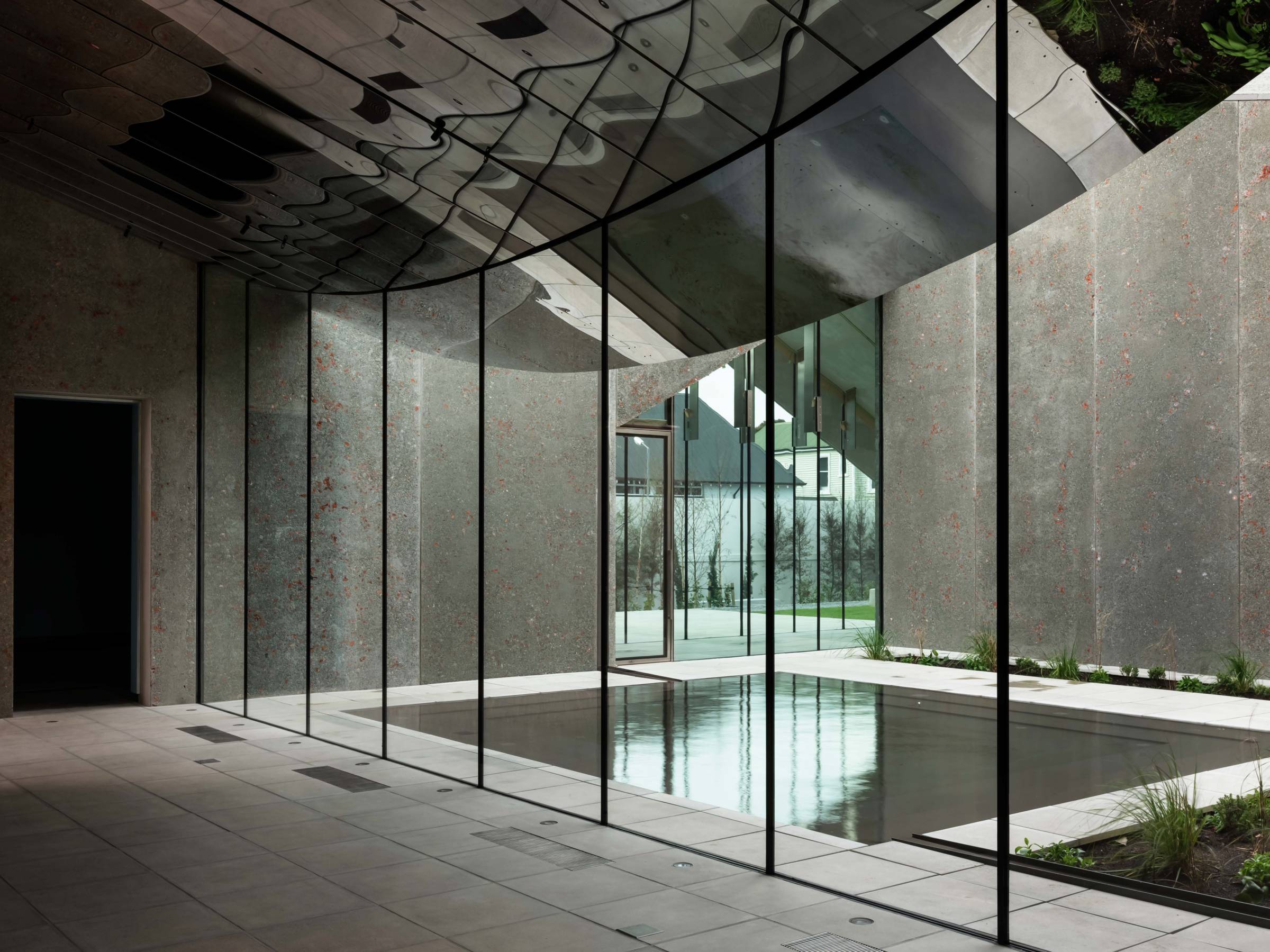
Patterson Associates
01The Active Investor Catalyst
The pivot point arrived in March 2026, with the recalibration of the Active Investor Plus (AIP) visa. By permitting qualifying international investors to purchase residential property valued at NZD$5 million or more, the policy delivered an immediate, positive demand shock to the luxury tier.
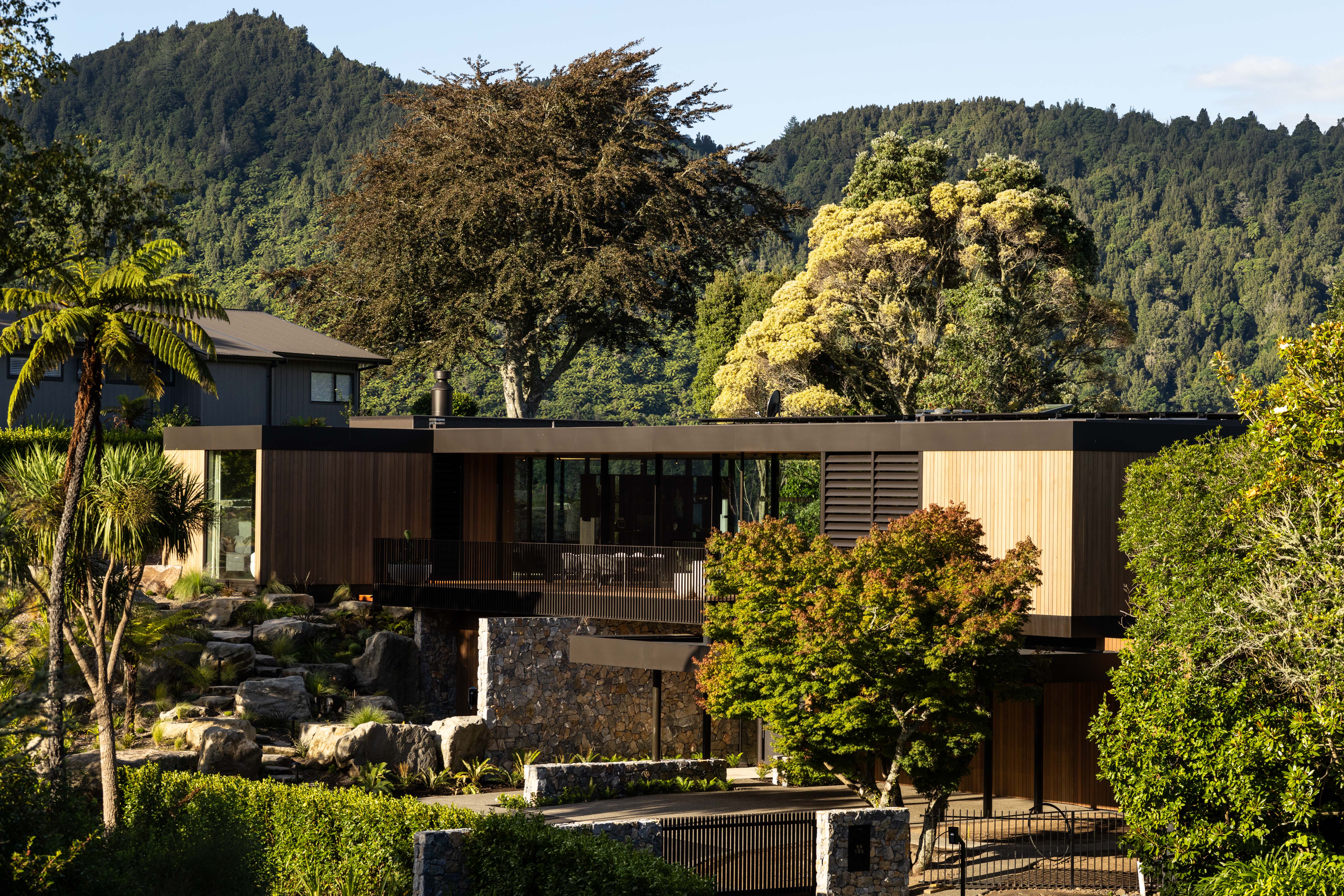
The response was instantaneous. Tens of thousands of overseas searches for properties above the $5 million threshold have been recorded recently, with demand heavily concentrated among established wealth centers in the United States, the United Kingdom, and Canada. This is not speculative traffic; it is sophisticated, highly mobile capital seeking sovereign stability, lifestyle prestige, and climate resilience.
Yet, while the visa threshold sits at $5 million, the true behavioural divide occurs higher up the ladder. Qualified ultra-high-net-worth (UHNW) clients operate in a distinct category, frequently targeting the $10 million to $20 million bracket. They do not cross-shop. They demand architectural pedigree, uncompromised privacy, and absolute turnkey readiness. And here lies the market's current friction: the supply side simply has not had the time, nor the capital liquidity, to respond.
02The $10M+ Supply Squeeze
Current market analytics reveal a stark inventory reality. While there are over 600 properties nationwide listed above $5 million, fewer than 150 exceed the $10 million mark. Auckland continues to dominate this ultra-prime inventory, with enclaves like Herne Bay, Takapuna, and Remuera accounting for the lion's share of listings. Unsurprisingly, water remains the ultimate premium, with the vast majority of the country's top-tier homes positioned on or immediately overlooking the coast, a harbour, or a southern lake.
Delivering new supply into this echelon is fiercely capital-intensive. Developing even five to ten residences that genuinely meet UHNW standards equates to well over $100 million in residential development. The existing stock is tightly held, and the pipeline for new ultra-prime estates is dangerously thin.

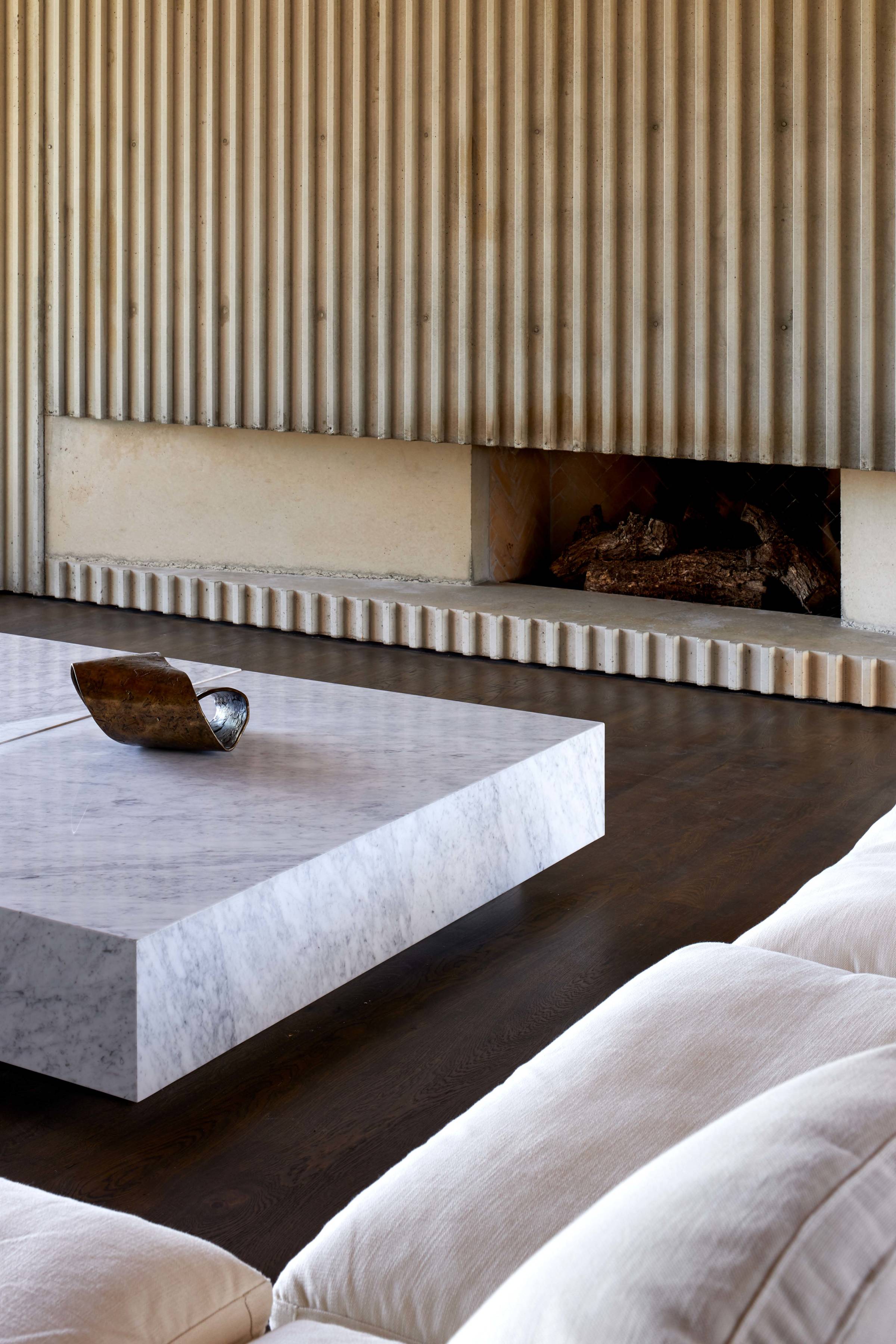 Waiheke Island by Patterson Associates — ultra-prime waterfront" />
Patterson Associates
03The Replacement Cost Arbitrage
Perhaps the most compelling argument for acquiring premium New Zealand real estate today has nothing to do with international demand, and everything to do with domestic construction economics. The building industry's cost base has permanently altered.
In premium lifestyle destinations like Queenstown, construction costs for elite, bespoke residences are now routinely exceeding $20,000 per square metre. When factoring in the scarcity of premium land, consenting delays, and the cost of holding capital over a three-year build cycle, the math becomes glaringly clear.
Astute private clients and family offices are recognising a distinct arbitrage opportunity. Across Auckland and the Southern Lakes, existing architectural masterpieces can currently be secured for less than their raw replacement cost. Buying a completed, high-calibre asset in the current corrective phase is not merely convenient—it is an exercise in profound value acquisition.
04The Luxury Rental Prelude
Adding fuel to this dynamic is a booming premium rental sector. Recent data indicates that demand in the luxury rental market surged by 43 percent between January and May 2026. This multi-million-dollar lift is a direct byproduct of the visa effect.
Affluent migrants are arriving, renting elite properties at premium yields while they survey the landscape for a permanent acquisition. For high-net-worth investors, this presents a lucrative holding pattern. Yields in the ultra-prime space, historically an afterthought, are now providing meaningful cash flow while capital waits for the next upward cycle.
05The Insider's Verdict
For the premium real estate agent, the landscape of the next 24 months is defined by inventory control. Off-market networks will become fiercely protected as standing, uncompromised $10M+ properties become the market's most coveted currency.
For the elite buyer, the mandate is equally clear. The current environment is a rare anomaly where international demand is accelerating precisely as domestic pricing metrics offer a discount to replacement cost.
Waiting for the broader market to signal a bottom is a strategy for the mainstream. In the ultra-prime sector, the window for strategic acquisition is already open. Capital that recognises the structural scarcity at the top of New Zealand's property ladder will secure assets that cannot be replicated at today's prices, nor readily acquired tomorrow.
Discover more exceptional New Zealand residences and market insights at NZ Luxury Homes — nzluxuryhomes.nz.