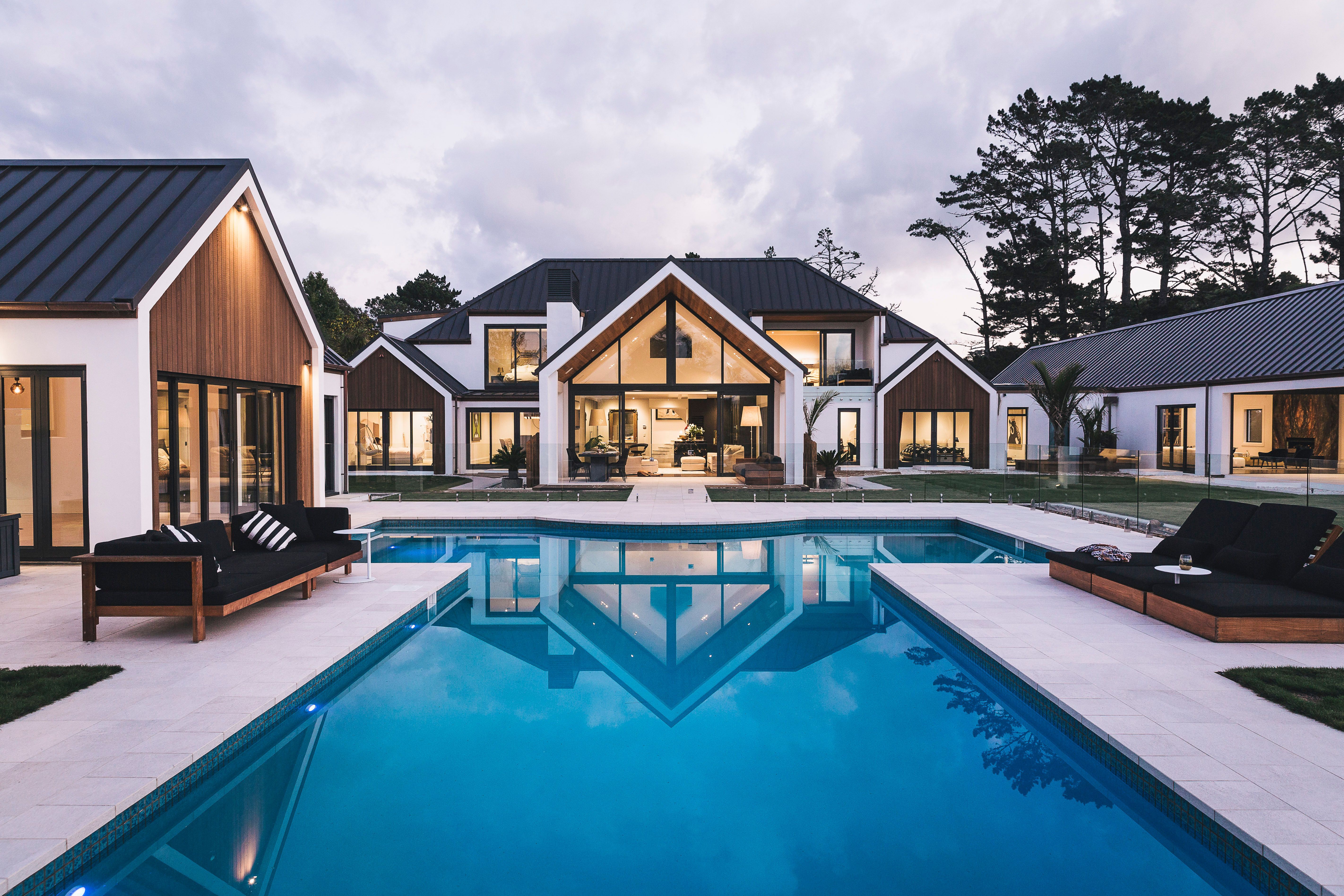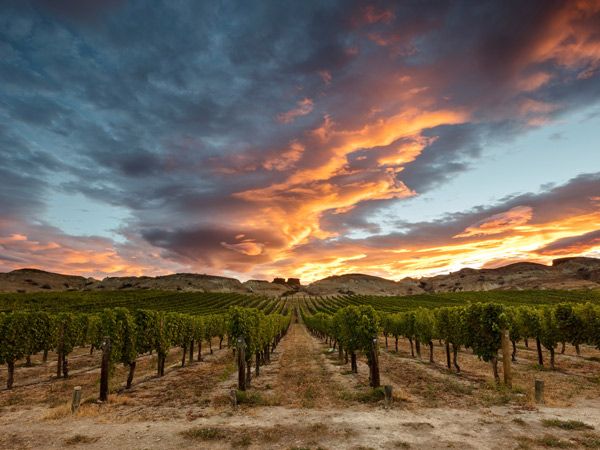
In the upper echelons of the global property market, the ultimate status symbol has quietly shifted. Where luxury was once defined by proximity—to Michelin-starred dining, elite civic centres, or financial districts—it is now increasingly defined by distance. More accurately, it is defined by absolute autonomy. Welcome to the era of 'off-grid opulence,' where high-net-worth individuals are trading traditional grid dependencies for sovereign, self-sufficient estates that refuse to compromise on architectural pedigree.
- Luxury is shifting from urban proximity to total functional autonomy.
- Resilience properties prioritize energy and water independence.
- High-end architecture can now achieve self-sufficiency without sacrificing aesthetic value.
- Global demand is rising for secure, remote estate investments.
- Off-grid estates are becoming the new ultimate status symbol.
Search data across international premium real estate platforms in 2026 reveals a sharp pivot. 'Off-grid luxury,' once a fringe query associated with eco-minimalism, has emerged as a primary directive for ultra-high-net-worth (UHNW) buyers. They are seeking 'resilience properties'—estates that offer energy independence, water security, and food sovereignty, all wrapped in an aesthetic execution worthy of Architectural Digest.
01Uncompromising Autonomy: The Matakana Masterpiece
No property exemplifies this domestic evolution quite like Obsidian House, a sprawling 19-hectare coastal estate currently captivating the market at 97 Sharp Road, Matakana. Commanding an estimated value well over the $10 million threshold, it is a masterclass in elemental strength and engineering. It stands as a direct, structural rebuttal to the outdated notion that living off the land requires a sacrifice of luxury.
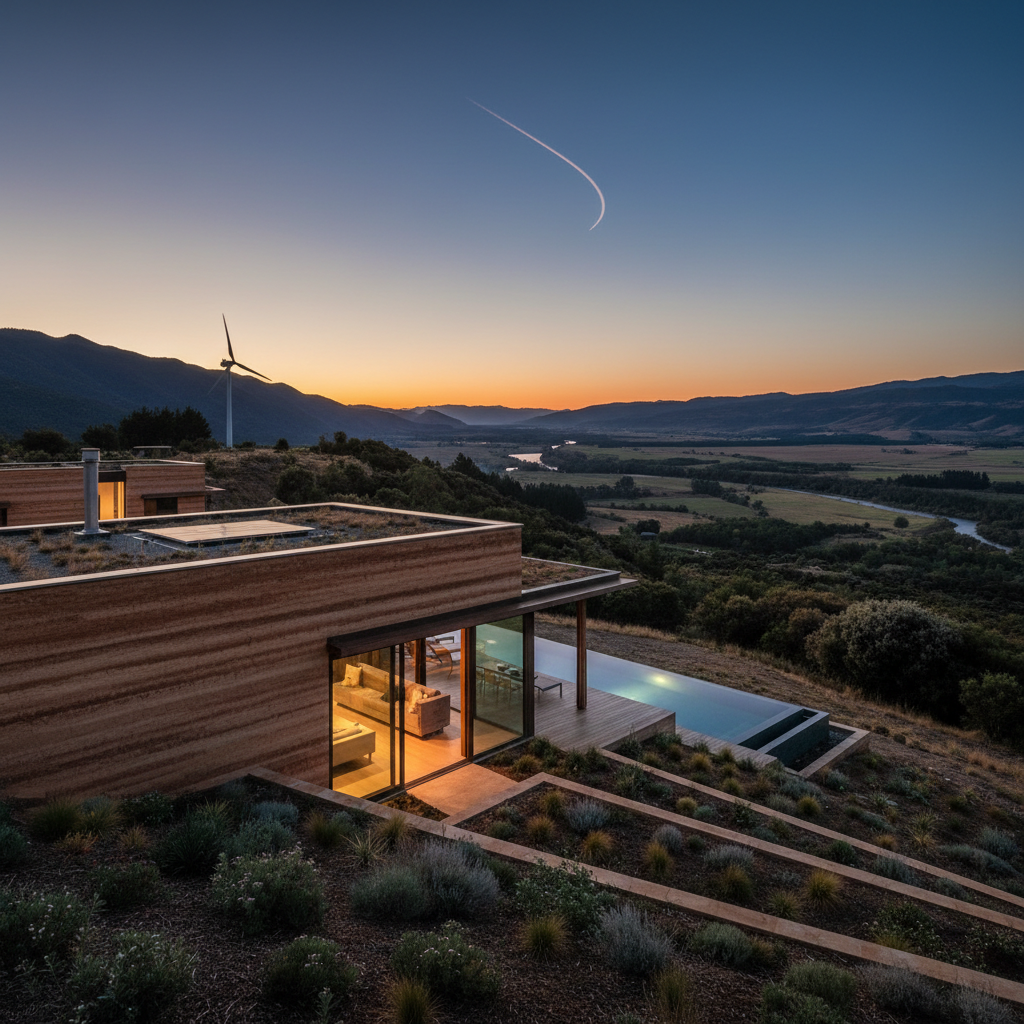
Designed by acclaimed architect Richard Priest, the primary residence is a triumph of rammed-earth construction and charred cedar. Yet, it is the estate's invisible infrastructure that truly elevates it into the realm of a premier resilience asset. The property operates entirely independently of mains power, sustained by a commercial-grade 160-panel solar array and a formidable 75kW battery storage facility. Water is sourced via a consented private bore and a sophisticated rainwater harvesting system, supporting both the residence and an expansive permaculture landscape.
This is no survivalist bunker. The off-grid framework silently powers a 20-metre heated swimming pool, an 1,893-square-metre covered indoor equestrian arena, and a 270-square-metre helicopter hangar. In the modern resilience estate, aviation infrastructure is arguably the most crucial amenity. True seclusion requires immediate connectivity; from the hangar, Auckland's CBD is a mere 20-minute flight, while the pristine fairways of Te Arai Links are just 15 minutes away.
02The Cost of Creation
Creating a legacy property of this magnitude demands an extraordinary vision. The vendors of the Sharp Road estate dedicated eight years to transforming rolling waterfront pastures into a fully self-contained sanctuary. Such was their commitment that they lived on-site in a safari tent for three of those years, navigating construction complexities and ensuring the architecture engaged harmoniously with its environment. The bespoke rammed-earth walls alone required expert crews to live on-site for months, utilizing specific soils trucked in from Whangarei to achieve the perfect chromatic warmth.
03The Investment Thesis
From a wealth-preservation perspective, self-sufficient estates represent a compelling diversification strategy for high-net-worth investors. While urban penthouses offer yield and suburban mansions provide traditional capital growth, the off-grid luxury estate functions as a tangible hedge against global volatility and infrastructural fragility. In an era of climate unpredictability and grid vulnerabilities, energy and resource independence carry an intrinsic, quantifiable premium.
Furthermore, these estates are notoriously difficult to replicate. The bureaucratic friction of consenting private bores, engineering extensive solar-storage facilities, and sourcing specialist materials creates a substantial barrier to entry. Consequently, when a fully realised, turnkey resilience property enters the market, it commands a severe scarcity premium. We are seeing this trend replicated across New Zealand's most dramatic landscapes, from secluded eco-reserves overlooking the Cook Strait to high-country alpine stations in Canterbury.
For premium real estate agents and portfolio advisors, the mandate is clear. The contemporary luxury buyer has evolved. Whether it is an expatriate returning to a volatile global climate or a qualified international investor seeking a safe haven, the criteria have fundamentally changed. They are looking beyond Italian marble and imported fixtures. They are evaluating kilowatt-hour reserves, natural aquifers, and multi-generational sustainability.
The blueprint for ultra-prime real estate has been rewritten. Today, the ultimate luxury is not just owning a piece of the world, but possessing the power to exist entirely on your own terms within it.
Discover more exceptional New Zealand residences and market insights at NZ Luxury Homes — nzluxuryhomes.nz.