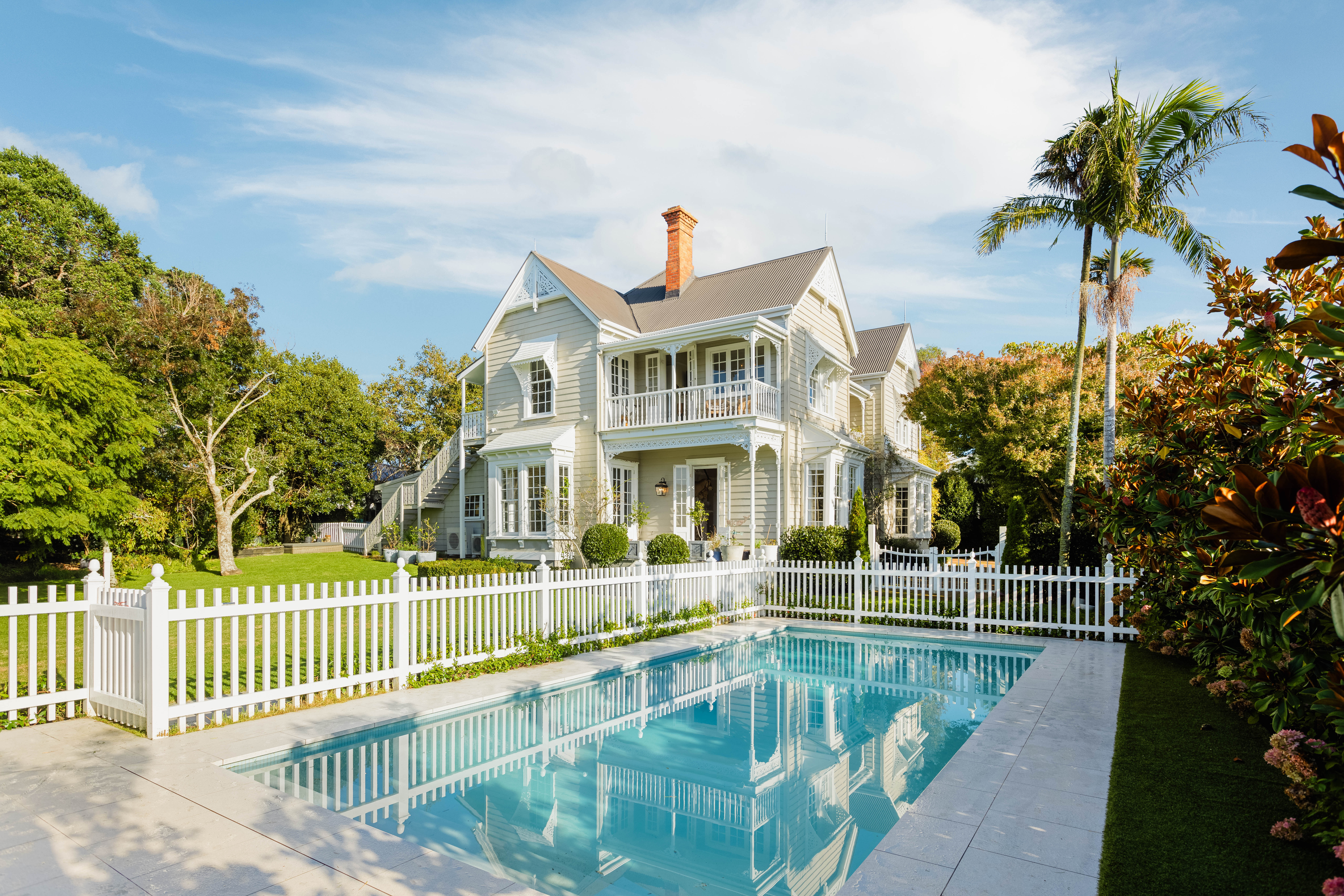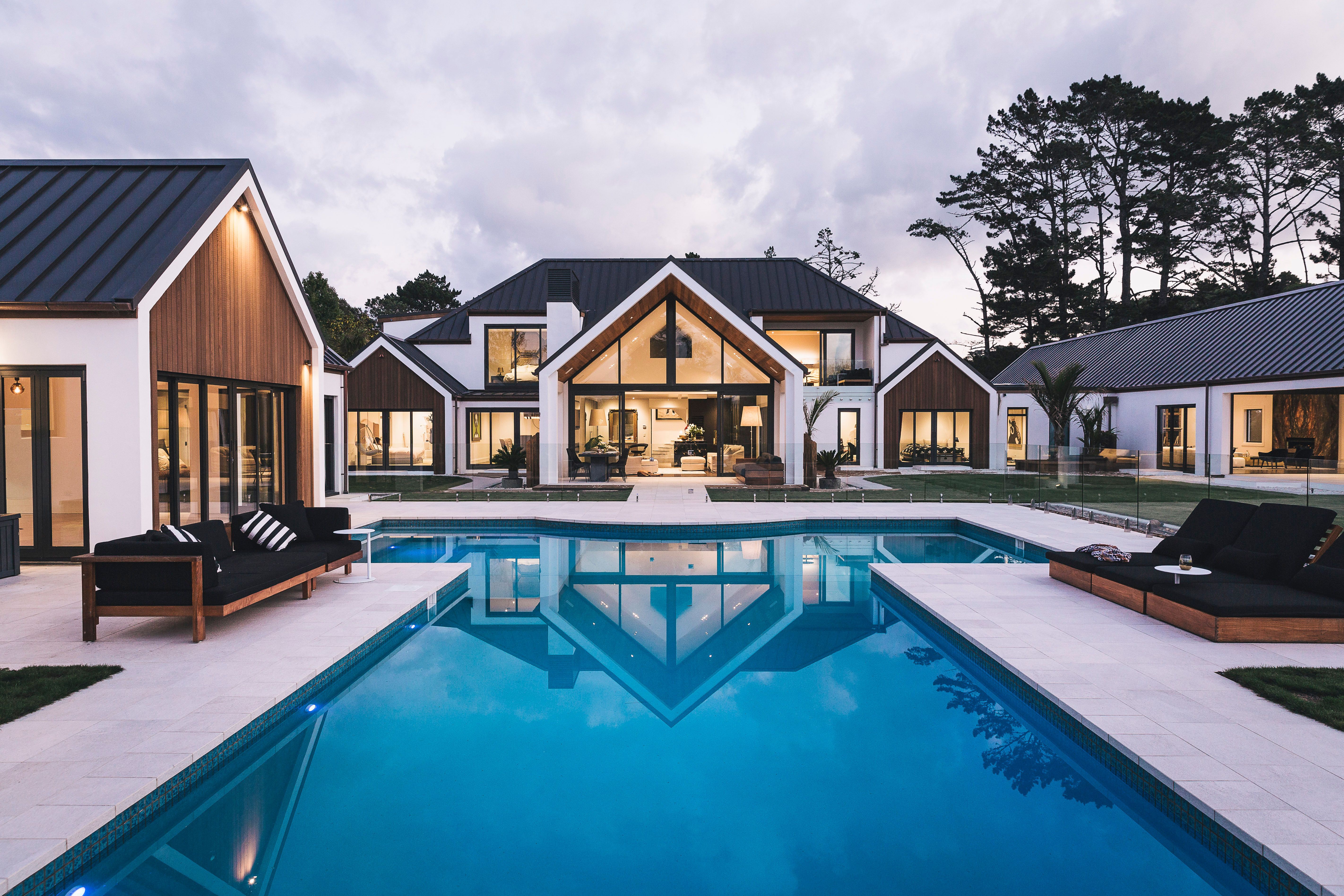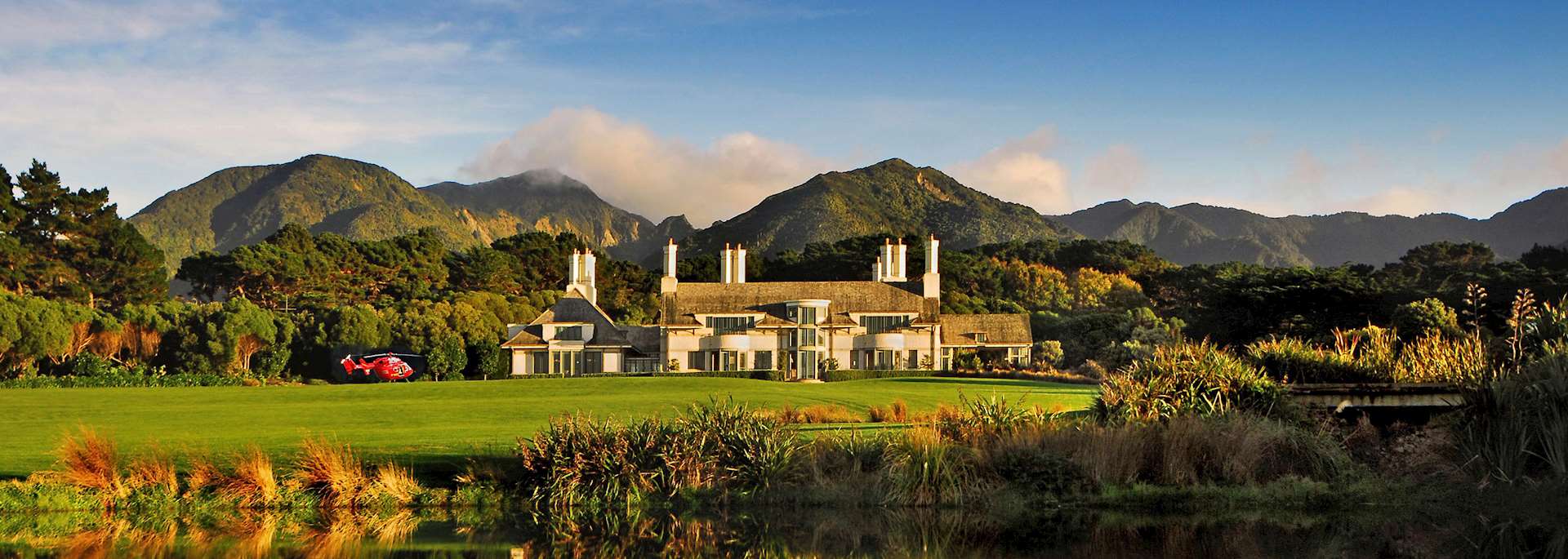
Two forces are reshaping New Zealand's luxury property market in 2026. The first is legislative: New Zealand has reopened its high-end residential market to wealthy foreign investors, with Active Investor Plus visa holders now permitted to purchase or build homes valued at NZ$5 million or more. The second is cultural: at the top end of the local market, wealthy New Zealand families are reconsidering what property is actually for.
- Foreign buyers are returning to the NZ luxury market as a key driver of growth.
- The ultra-prime sector ($3M+) is moving independently of broader market interest rate trends.
- There is a growing preference for generational holding over speculative flipping.
- Wealth preservation is the primary motivation for international luxury buyers.
- Waiheke Island and Auckland prestige suburbs remain the most sought-after locations for international capital.
Together, these shifts represent the most consequential change to the NZ$5M+ segment in years — and for buyers positioned to act, the timing is notable.

01What the Overseas Investment Act Changes Actually Mean
Parliament has amended the Overseas Investment Act to allow eligible investor-residence holders — including Active Investor Plus (AIP) visa holders — to buy or build a single residential or lifestyle property in New Zealand valued at NZ$5 million or more. The policy is deliberately narrow: it creates an exemption at the very top of the market while leaving the broader foreign buyer ban intact.
Prime Minister Christopher Luxon described the move as an attempt to navigate between public opposition to foreign ownership and the desire to attract high-net-worth investors by deepening their connection to New Zealand. The residency requirements attached to the AIP visa have also been eased considerably. Applicants now need to spend only 21 days in New Zealand over three years, down sharply from the previous 117-day requirement.
The supply context matters here. Property consultancy Cotality estimates approximately 7,000 homes in New Zealand are valued above NZ$5 million — just 0.4 percent of the national housing stock. Demand from AIP visa holders is entering an already thin market. For vendors of well-positioned properties in Auckland, Queenstown, and coastal lifestyle locations, the structural implication is clear.
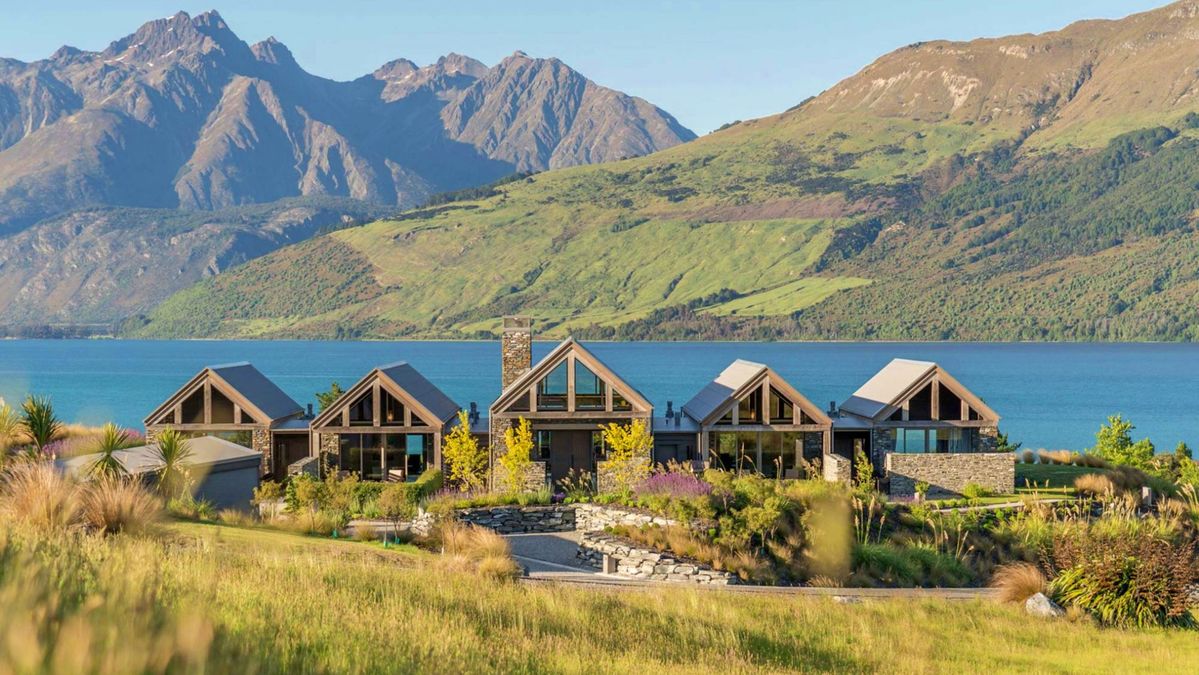
Queenstown-Lakes is the region most directly exposed to this dynamic. An estimated 5.5 percent of all Queenstown properties meet the NZ$5 million threshold — a far more significant share than Auckland — and the district recorded a 91 percent increase in NZ$5M+ sales between 2023 and 2024.

02Why International Buyers Are Looking at New Zealand Now
The policy change did not occur in isolation. New Zealand's market is reopening precisely as rising geopolitical tensions are spurring demand for far-flung safe havens among wealthy international investors. That confluence — policy access meeting elevated global demand — is what makes 2026 structurally different from prior years.
The shift contrasts directly with Australia, which in 2025 imposed a two-year ban on foreign purchases of existing homes. New Zealand has, in effect, positioned itself as the preferred destination in the region for high-net-worth residential capital — offering not only property access but indefinite permanent residence and minimal physical presence requirements.
The geopolitical dimension is acknowledged openly by those operating in this market. AIP buyers, according to New Zealand Sotheby's International Realty, are drawn not only by lifestyle but by the geographic and political stability New Zealand represents. In certain cases, that extends to what the market now refers to without euphemism as resilience properties — estates with the scale and infrastructure to function self-sufficiently.

03How the Multigenerational Trend Is Redefining Luxury Demand
Alongside the foreign buyer story, a quieter but equally significant shift is underway among domestic wealth. Wealthy New Zealand buyers are increasingly treating property as a multigenerational asset rather than a transaction.
NZ Sotheby's International Realty managing director Mark Harris notes that wealthy buyers, family offices, and AIP visa holders are all seeking properties that can accommodate multiple generations — with demand arriving from baby boomers searching for estates capable of housing mature children and grandchildren, primarily for lifestyle purposes and succession planning.
The property brief has become correspondingly specific. Self-contained wings or apartments, upstairs-downstairs separation, meaningful land area, privacy, seclusion, high build quality, and proximity to airports are consistently cited as primary requirements. Premium wellness amenities — inbuilt gyms, pools, saunas — feature prominently on buyer wish lists.
A Building Research Association of New Zealand (BRANZ) report confirms that demand for multigenerational living in NZ is increasing broadly — but at the luxury tier, the motivation is not financial necessity. It is intentional. Families at this level are constructing environments designed to hold together across generations, not simply to share costs.
This has material implications for the NZ$5M+ brief. Properties that were once assessed primarily on architectural merit or location are now being evaluated on their capacity to serve as a permanent family platform: the question is not just what the house is, but what it can become.


04What This Means for the Auckland Market Specifically
Auckland sits at the intersection of both trends. It is the primary gateway for AIP visa arrivals and the city where established New Zealand family wealth is most concentrated. Auckland's luxury market is showing stronger momentum heading into 2026, with enquiry levels rising particularly for properties with standout features — a pattern consistent with a market where qualified buyers are becoming more active but supply at the top tier remains structurally limited.
The suburbs drawing the most attention are those that have historically commanded a premium for reasons that do not erode: harbour outlook, land area, architectural pedigree, and proximity to international schooling. Herne Bay, Remuera, St Heliers, and the Waiheke Island premium tier continue to define the ceiling of Auckland residential value.
For buyers operating in this segment, the current environment presents a specific dynamic: motivated vendors in a market that has corrected significantly from its 2021 peak, alongside an incoming pipeline of internationally mobile capital that will compete for the same finite stock.
05Frequently Asked Questions
Who can now buy luxury property in New Zealand as a foreign investor?
Since March 2026, holders of the Active Investor Plus (AIP) visa are permitted to purchase or build a single residential or lifestyle property in New Zealand valued at NZ$5 million or more. The broader ban on foreign residential purchases remains in place. Buyers must hold eligible investor-residence status under the amended Overseas Investment Act.
What is the minimum property value for foreign buyers under the new rules?
The NZ$5 million threshold applies to the combined value of house and land, for both existing properties and new builds. Land Information New Zealand (LINZ) administers compliance with the amended Overseas Investment Act provisions.
What is driving multigenerational demand at the luxury end of the New Zealand market?
According to NZ Sotheby's International Realty and a recent BRANZ report, the driver has shifted from financial necessity to intentional lifestyle and succession planning. Wealthy families and family offices are seeking large, private estates with self-contained accommodation, wellness amenities, and the infrastructure to serve multiple generations simultaneously — often as a long-term capital holding rather than a transactional purchase.
How many properties in New Zealand are valued above NZ$5 million?
Property consultancy Cotality estimates approximately 7,000 New Zealand homes meet the NZ$5 million threshold — representing around 0.4 percent of the national housing stock. Queenstown-Lakes has the highest concentration proportionally, with an estimated 5.5 percent of all Queenstown homes meeting the threshold.
06A Market at an Inflection Point
The two stories defining New Zealand luxury property in 2026 — foreign buyers returning and domestic wealth thinking in generations — are not unrelated. Both reflect a deepening understanding of what property at this level actually represents: not a home in the conventional sense, but a considered position. A place of permanence in a world where permanence has become scarce.
For those currently assessing the NZ$5M+ market, nzluxuryhomes.nz provides private access to properties at this tier — including off-market opportunities not available through conventional channels.