For the better part of two decades, the Wakatipu Basin has served as the undisputed apex of New Zealand’s ultra-prime real estate market. The alpine dramatics of Queenstown and Wānaka have magnetized international capital, creating a sophisticated, albeit highly concentrated, enclave of wealth.
- Established luxury corridors like Queenstown are becoming saturated.
- Buyers are seeking out 'hidden' regions that offer absolute privacy.
- Discovery and seclusion are becoming the new metrics of desirability.
- Regional diversification is key to long-term property portfolio resilience.
- Emerging markets are benefiting from both local and expatriate investment.
Yet, as we navigate the landscape of 2026, the metrics of desirability are evolving. Density in established alpine corridors is increasing. For the most discerning tier of local and expatriate buyers, the ultimate luxury is no longer merely a Remarkables-facing floor-to-ceiling window. The ultimate luxury is absolute, uncompromised geographic discretion.
This shift in ultra-high-net-worth (UHNW) sentiment is quietly redrawing the premium property map. Astute capital is pivoting. For investors, lifestyle buyers, and the agents who navigate these upper echelons, understanding this migration is critical. We are witnessing the maturation of several hidden luxury regions New Zealand has kept closely guarded—until now.
01Te Arai and the Northern Coastal Corridors
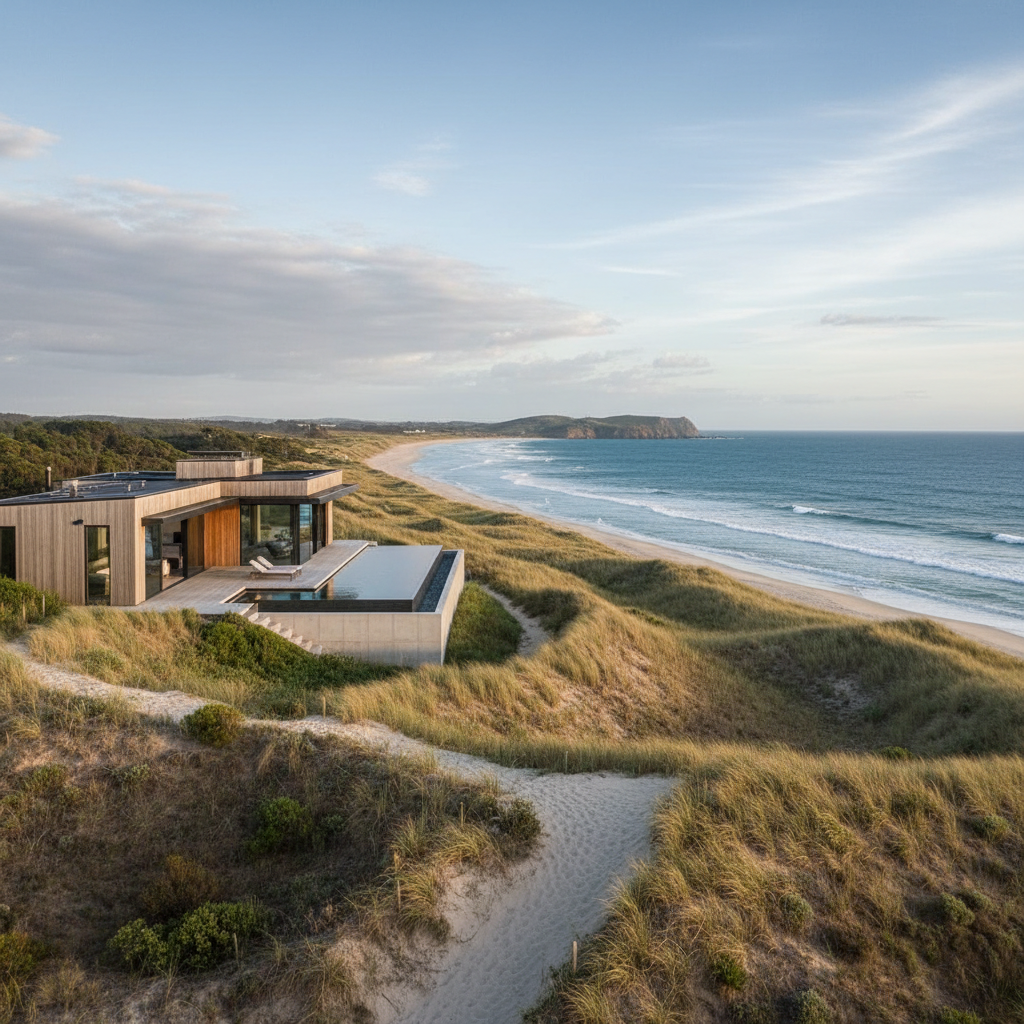
Just ninety minutes north of Auckland, the eastern coastline has undergone a stealthy transformation. Historically a sleepy stretch of dunes, the Te Arai and Mangawhai coast is now an international architectural destination, largely catalyzed by the development of world-class golfing sanctuaries like Tara Iti and Te Arai Links.
However, the narrative here is no longer solely about golf. It is about the creation of legacy multi-generational coastal compounds. Buyers in the $10M+ bracket are securing expansive coastal tracts, commissioning award-winning architects to build low-impact, high-specification retreats that blend seamlessly into the undulating spinifex.
Unlike the highly visible mansions of Auckland's eastern suburbs, luxury here is entirely covert. Properties are accessed via private unsealed roads or discrete helipads. For the premium agent, the Te Arai market represents a shift toward lifestyle-curation, where the value of a property is intrinsically linked to the exclusivity of the broader environment.
02Tasman and Golden Bay: The Mediterranean Microclimate
Positioned at the apex of the South Island, the Tasman region offers an entirely different proposition. Famed for its exceptionally high sunshine hours and proximity to three national parks, this region is emerging as the premier destination for wellness-oriented, environmentally conscious luxury.
What sets Tasman apart is its topography. It allows for sprawling estates that command sweeping, uninterrupted views of Tasman Bay while remaining completely invisible from public thoroughfares. Here, we are tracking a surge in sustainable luxury—off-grid architectural masterpieces utilizing cross-laminated timber, passive thermal design, and extensive private water catchments.
For the high-net-worth investor, Tasman presents a compelling yield proposition. The luxury lodge and high-end short-term rental market here remains chronically undersupplied. As global ecotourism continues to scale in 2026, premium coastal estates in Tasman offer both a private sanctuary and a highly lucrative passive income stream.
03The Wairarapa: Pastoral Elegance and Viticulture
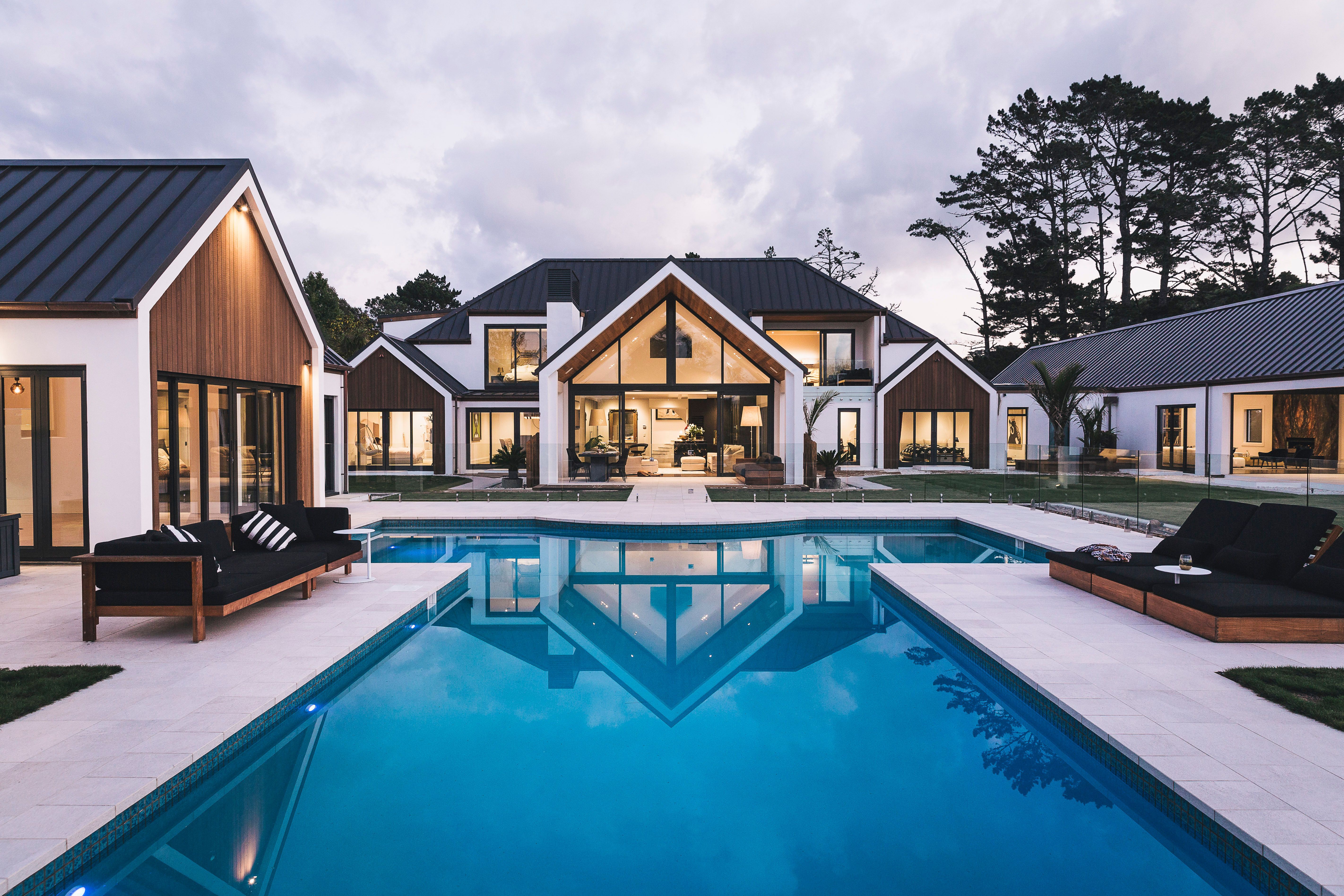
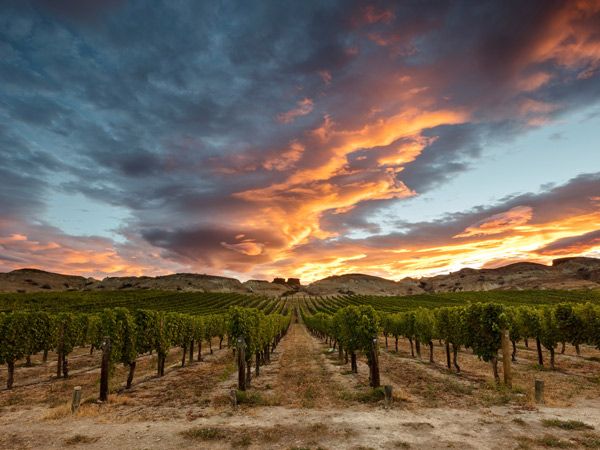
Moving inland, the Wairarapa—specifically the rural peripheries of Martinborough and Greytown—is redefining pastoral luxury. Often lazily compared to the Hamptons of Wellington, the region has matured into a formidable, autonomous luxury market in its own right.
The contemporary Wairarapa buyer is acquiring land at scale. There is a marked uptick in the development of private equestrian estates, boutique hobby vineyards, and grand contemporary farmhouses. These are $5M to $15M assets characterized by heritage-inspired architecture, advanced smart-home integrations, and meticulously curated grounds.
The appeal lies in the duality of the lifestyle. It affords profound rural isolation alongside world-class Pinot Noir and a vibrant epicurean culture, all within a brief helicopter flight from the capital's corporate hub.
04The Strategic Imperative
The ascendancy of these enclaves does not signal the decline of Queenstown. Rather, it signifies the deepening maturity of the New Zealand premium property sector. Our luxury market is no longer a monolith; it is a diversified portfolio of distinct micro-climates, topographies, and architectural philosophies.
For the serious purchaser, these emerging frontiers offer something increasingly rare: the opportunity to establish a footprint before a market reaches critical mass. For the investor, the capital growth potential in these regions currently outpaces the established alpine hubs.
The definition of a trophy asset has fundamentally changed. The most valuable properties in New Zealand are no longer simply those that are seen by everyone. Increasingly, they are the ones hidden away from the world.
Discover more exceptional New Zealand residences and market insights at NZ Luxury Homes — nzluxuryhomes.nz.