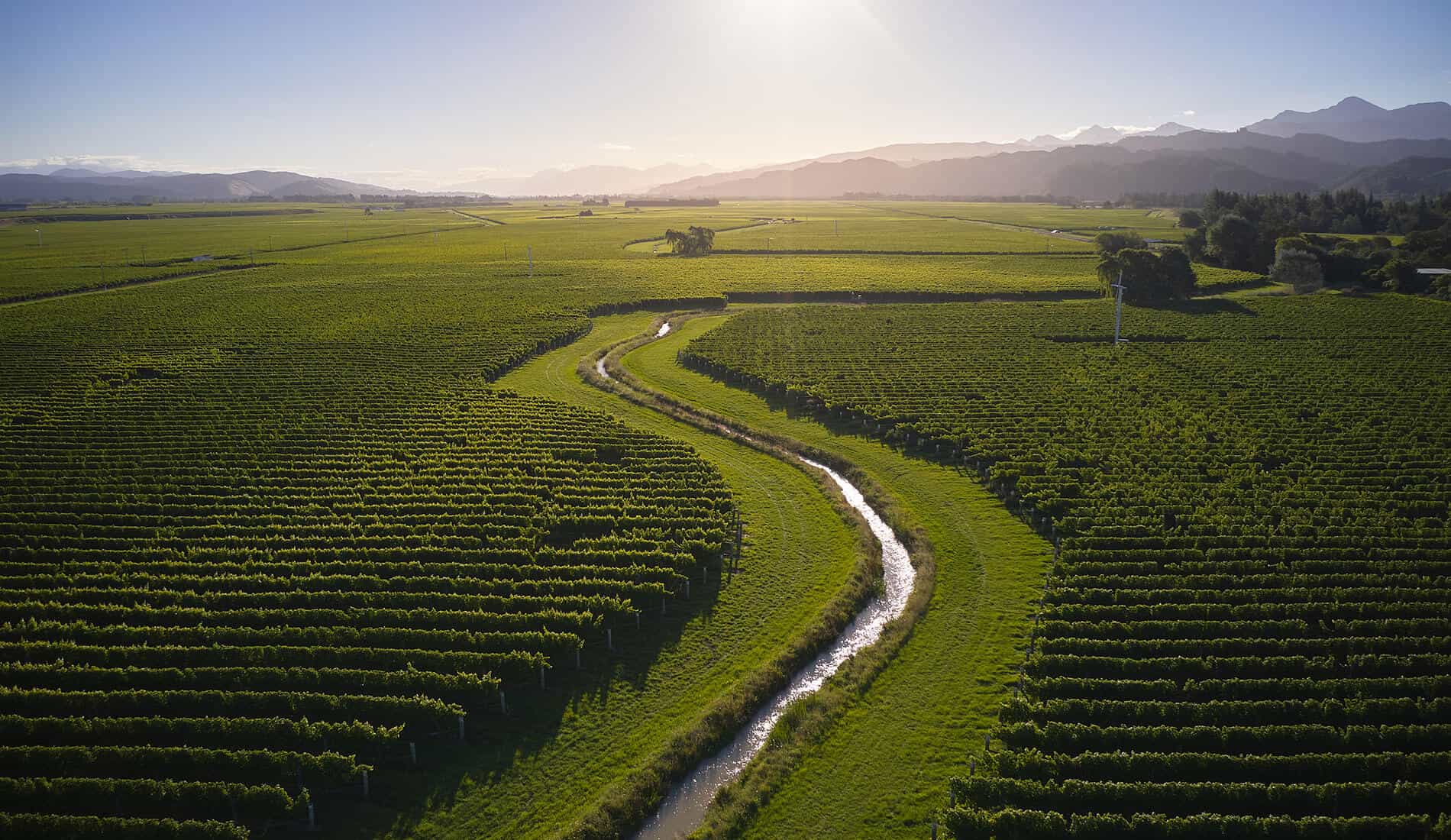
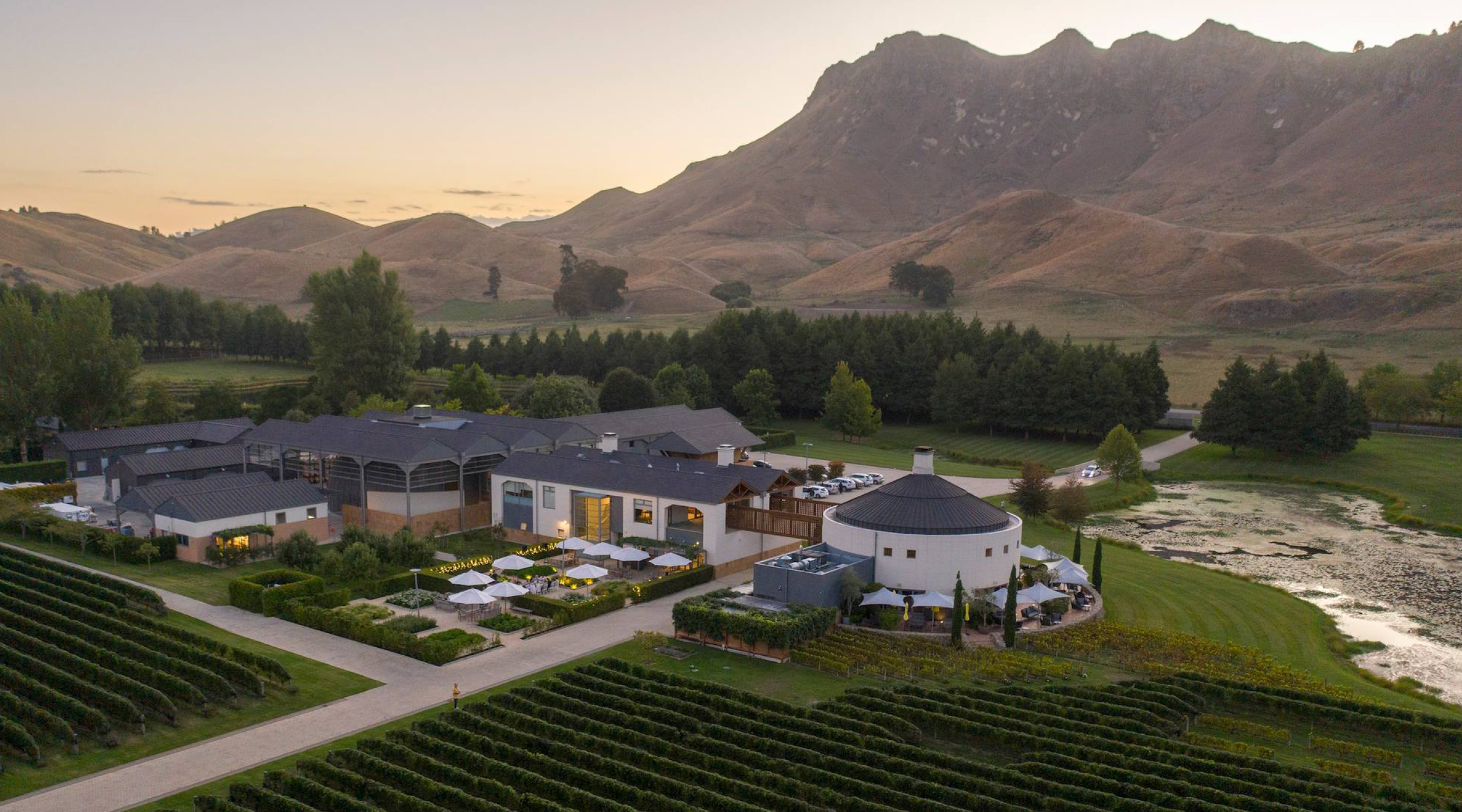
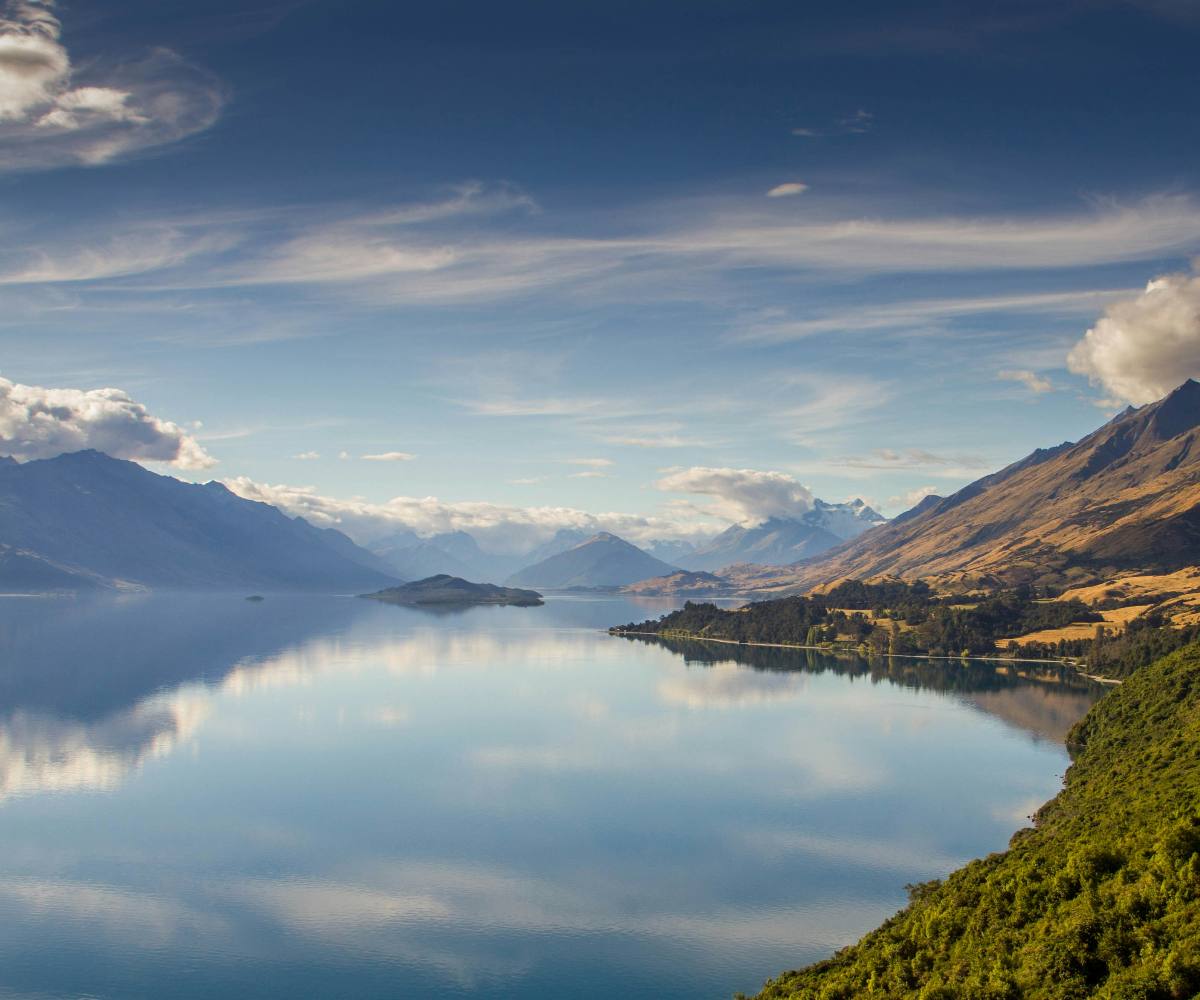
In 1985, a winery called Cloudy Bay released its first vintage of Sauvignon Blanc from a valley in the northeastern tip of New Zealand's South Island. The wine was unlike anything the world had encountered from this variety: vivid passionfruit, cut grass, and grapefruit aromatics, bright acidity, and a freshness that made the Loire Valley's benchmark Sauvignon Blancs taste restrained by comparison. Export orders followed immediately. Within a decade, Marlborough Sauvignon Blanc had become one of the most recognisable wine category names in the world — and New Zealand had become, in global wine terms, undeniably relevant.
- Marlborough produces approximately 75% of New Zealand's total wine, dominated by its world-famous, aromatically precise Sauvignon Blanc.
- The region is divided into three distinct sub-regions—Wairau Valley, Southern Valleys, and Awatere Valley—each providing different soil types and flavor profiles.
- Beyond Sauvignon Blanc, visitors can discover high-quality Pinot Noir, textured Pinot Gris, and competitive traditional-method sparkling wines.
- The Marlborough Wine Trail offers an accessible, flat landscape perfect for cycling between prestigious cellar doors like Cloudy Bay and Fromm.
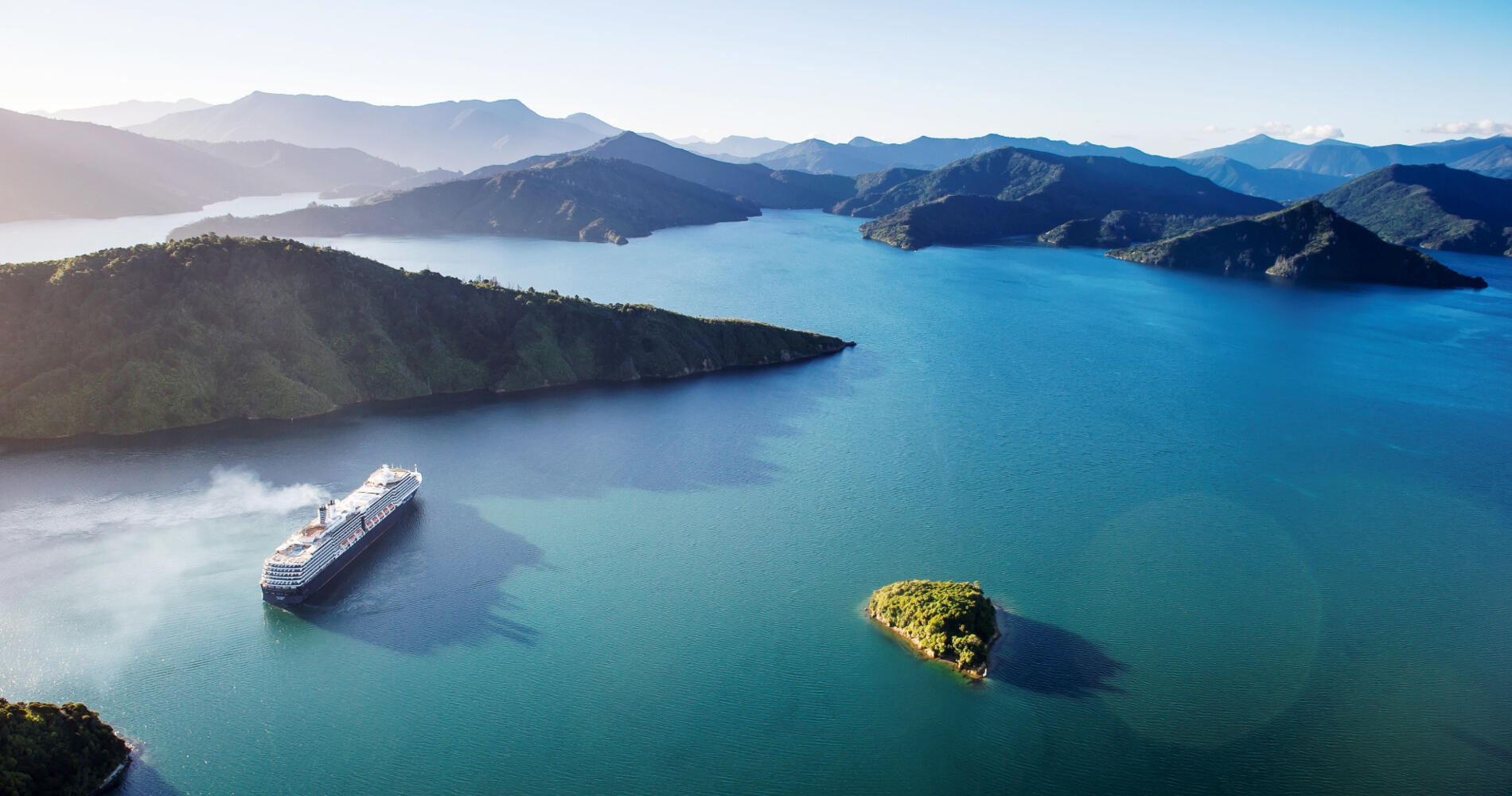
Marlborough is now New Zealand's largest wine region, producing approximately 75 percent of the country's total wine output across more than 25,000 hectares of vines. The Māori name for its central valley — Kei puta te Wairau, meaning the place with the hole in the cloud — is the most accurate description of the climate that makes it possible: reliably sunny, dry during the growing season, and cool at night in a way that preserves the aromatic precision that has made its wines internationally sought. For buyers and visitors exploring the South Island, it is also the most accessible wine region in the country — 40 minutes from Blenheim Airport, three hours from Christchurch by road, and directly connected to Wellington by the scenic Interislander ferry crossing through the Marlborough Sounds.
01The Three Sub-Regions: Why Marlborough Is More Than One Wine
The Marlborough appellation contains three distinct sub-regions that produce wines of meaningfully different character — a distinction most buyers of Marlborough Sauvignon Blanc have never had reason to investigate, but that becomes apparent to anyone who spends time in the region.
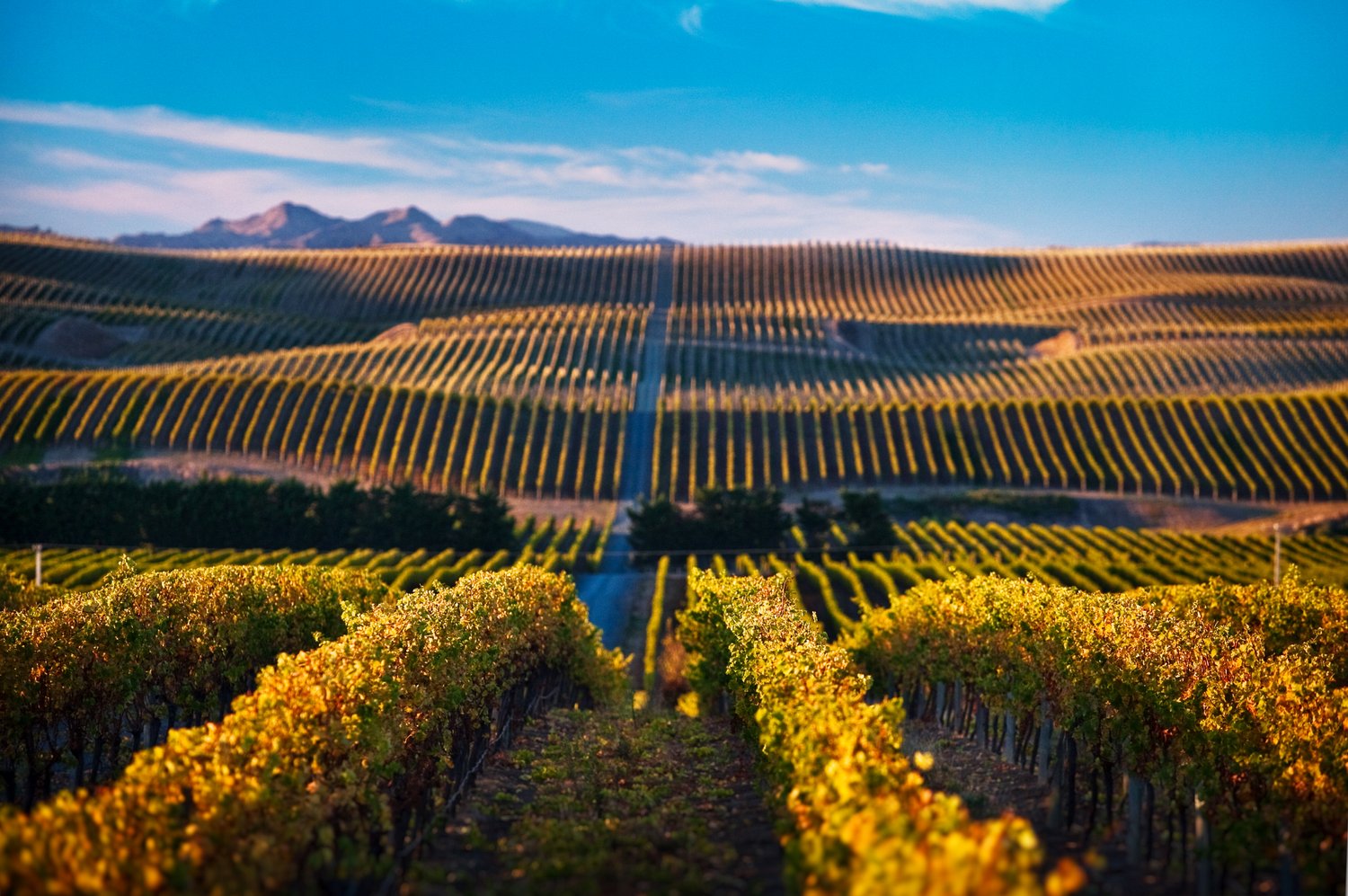
The Wairau Valley is Marlborough's heartland and the source of most of its production. The valley floor carries deep alluvial gravels that drain freely and force vine roots downward to find moisture, naturally limiting yields and concentrating flavour. The stones retain daytime heat and release it at night, moderating temperature swings. The resulting Sauvignon Blanc is direct, expressive, and immediately appealing: high aromatic intensity, clear citrus and tropical fruit, clean finish. Cloudy Bay, Brancott Estate, Villa Maria, and Wither Hills have their core operations here.
The Southern Valleys — Brancott, Omaka, and Waihopai, running south from the Wairau floor — carry heavier clay soils on more broken terrain. Yields are lower, wines show more textural weight, and character shifts toward herbal and stone-fruit. The Pinot Noir from this zone has attracted particular critical attention. The Brancott Valley carries additional historical significance: it was here that Montana Wines planted the first commercial Marlborough Sauvignon Blanc vines in 1973.
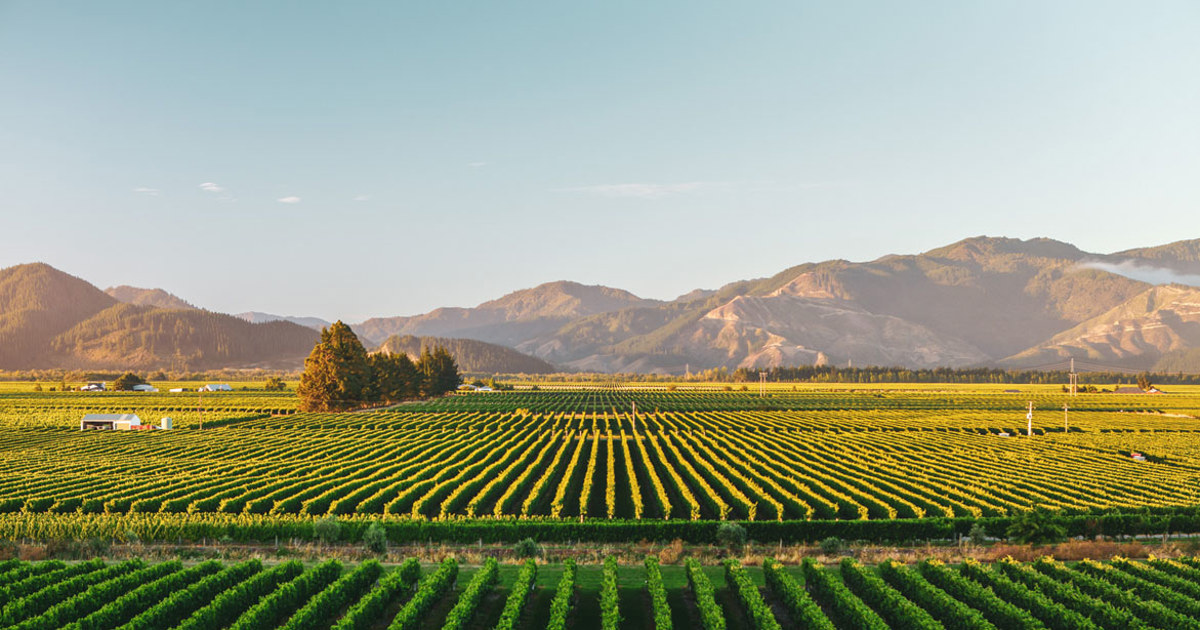
The Awatere Valley is cooler, windier, and more exposed — accessible via the Awatere River Road from Blenheim. The valley receives the full force of northerly winds from Cook Strait, producing the most mineral and structured Sauvignon Blancs in the region. Harvest runs two to four weeks later than the Wairau, and the wines show more flint and citrus than tropical fruit.
02The Producers: Beyond the Famous Label
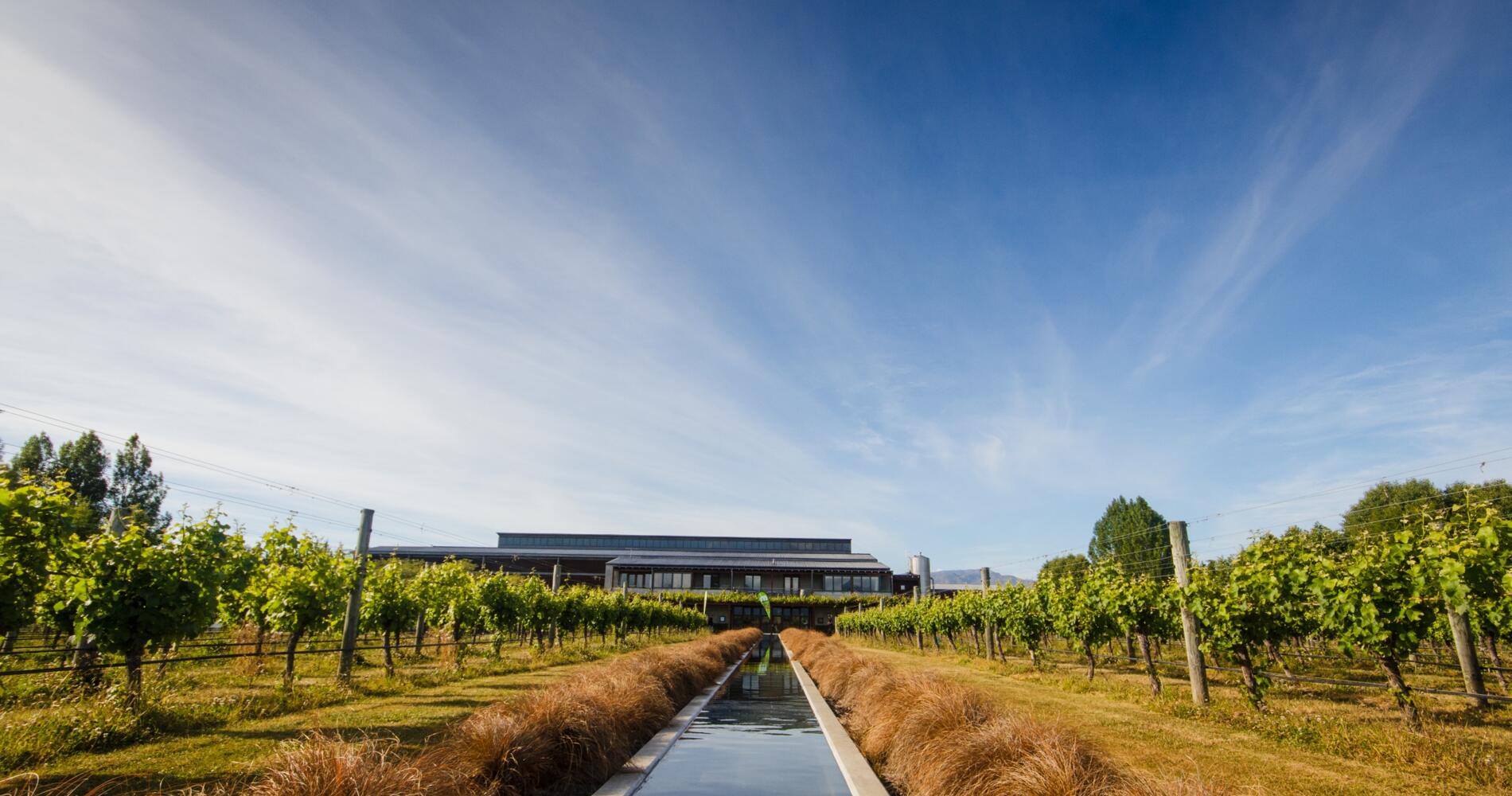
Cloudy Bay remains the name that changed Marlborough's standing internationally. Visiting the cellar door on Jackson's Road in the Wairau Valley goes well beyond the flagship Sauvignon Blanc — Te Koko (wild-yeast fermented in old oak), Pelorus sparkling wine, and the Te Wāhi Central Otago Pinot Noir are all available. Now owned by LVMH, the cellar door team maintains a level of knowledge and hospitality that reflects the brand's continued investment in the visitor experience. Walk-ins accepted; book ahead on summer weekends.
Greywacke is the personal project of Kevin Judd, Cloudy Bay's head winemaker for over two decades before establishing his own label. The Wild Sauvignon — fermented on wild yeasts in old oak — shows texture, complexity, and ageing potential the standard Marlborough template does not. Greywacke has no dedicated cellar door; wines are found at restaurant wine lists and good Blenheim retailers. Worth seeking for anyone who wants to understand what Marlborough Sauvignon Blanc can do when the winemaker deliberately steps away from the standard approach.
Fromm Winery is the essential counter-argument to the idea that Marlborough is only a Sauvignon Blanc region. Swiss winemaker Georg Fromm arrived in 1992 convinced the region could produce red wines as interesting as its whites. Two decades of critically acclaimed Pinot Noir, Malbec, and Syrah from organically farmed vineyards have proved the case. Appointment only — book by phone or email — one of the most personally rewarding cellar door visits in the South Island.
Dog Point Vineyard produces benchmark Marlborough Sauvignon Blanc under the Section 94 label — built with structure for cellaring rather than immediate consumption — alongside estate Pinot Noir and Chardonnay. Appointment only; worth planning around.
Brancott Estate anchors the historical narrative. The Heritage Block cellar door sits on the hillside of the original 1973 Montana planting, with views across the valley where commercial Marlborough wine began. Walk-ins welcomed.
Saint Clair Family Estate is one of the most useful cellar door visits for those who want to understand how individual sites within Marlborough perform differently. The Pioneer Block single-vineyard series bottles specific blocks separately — tasting Block 3 (stony Wairau soils) against Block 1 (different aspect and variety) makes the terroir conversation concrete.
03The Wines Beyond Sauvignon Blanc
Marlborough's Sauvignon Blanc dominance is real — the variety accounts for over 80 percent of plantings — but the remaining portfolio consistently surprises visitors who arrive expecting only one thing.
Pinot Noir is Marlborough's most significant red variety and quality has been improving steadily. The style runs leaner and more structured than Central Otago Pinot — more red-fruited, more immediately approachable, with the hallmark acidity of a cooler climate. Greywacke and Dog Point produce the most internationally competitive examples. Fromm's Pinot Noir is the most age-worthy.
Pinot Gris suits the climate well, producing off-dry to dry styles with stone-fruit character and textural weight that pairs particularly well with the green-lipped mussels farmed in the Marlborough Sounds. Riesling from Framingham and Forrest Estate is consistently underrated — dry and structured in good vintages, with ageing potential that challenges European price-peers.
The sparkling wine programme, led by Cloudy Bay's Pelorus (traditional method, Pinot Noir and Chardonnay), is one of Marlborough's strongest arguments for diversity. At NZD 30–50 at cellar door, it represents genuinely competitive value against French Champagne in the same quality tier.
04The Marlborough Wine Trail, Food, and the Sounds
The 45-kilometre Marlborough Wine Trail threads through the Wairau Valley on flat, well-maintained tracks, connecting cellar doors within one to five kilometres of each other. Cycling between estates — four to six in a comfortable day — is genuinely practical. Bike hire is available in both Blenheim and Renwick from approximately NZD 35–45 per day. Start before 11am to avoid the afternoon northwesterly wind that picks up reliably in summer.
The region's food story rests on the Marlborough Sounds. Green-lipped mussels, farmed in the cold, clean water of the drowned valley inlets north of Blenheim, are at their best eaten here fresh and simply: steamed with local wine and garlic. King salmon from Sounds aquaculture is available fresh at fishmongers in Blenheim. The Marlborough Sounds — 1,500 kilometres of coastline in drowned ancient valleys — is the broader reason to extend any Marlborough wine trip into a multi-day stay, combining the Queen Charlotte Track by foot or kayak with cellar doors and good eating.
The Marlborough Wine and Food Festival, held annually at Brancott Estate Amphitheatre in February, is the largest wine festival in the Southern Hemisphere by attendance — 10,000-plus visitors and typically sold out six months in advance. — explored in our Hawke's Bay wine region guide.
05Getting There and Getting Around
Blenheim Airport (BHE) has direct flights from Auckland (55 minutes), Wellington (40 minutes), and Christchurch (40 minutes). The Interislander and Bluebridge ferries cross Cook Strait from Wellington to Picton in approximately three hours — a scenic approach through the Marlborough Sounds that makes the journey an experience rather than a transfer.
A car is essential once in the region — wineries are spread across a 40-kilometre corridor. The Wine Trail cycling option covers the Wairau Valley cluster without a car. Most major cellar doors accept walk-ins; boutique producers (Fromm, Dog Point) require advance booking. — explored in our New Zealand luxury property market 2026.
06The Wine That Changed Everything, and What Came After
The 1985 Cloudy Bay vintage is the inflection point for Marlborough's story — and for New Zealand wine in general. Before it, New Zealand was a footnote in global wine. After it, the country had an identity and an audience. What followed over the next four decades — 25,000-plus hectares of vines, 150-plus wineries, a Wine and Food Festival that sells out six months in advance, and a growing portfolio of serious reds and aromatic whites alongside the famous Sauvignon Blanc — is the fuller version of a story that most wine drinkers know only from a single label on a supermarket shelf.
The deeper version is worth discovering in person. For those visiting the South Island, Marlborough is the most accessible wine region in the country, the most historically significant, and the one that requires least prior wine knowledge to enjoy — while rewarding expertise with more than most visitors expect.
For those exploring lifestyle and residential property in Marlborough and the wider top of the South Island, nzluxuryhomes.nz provides private access to the most considered holdings in this market.