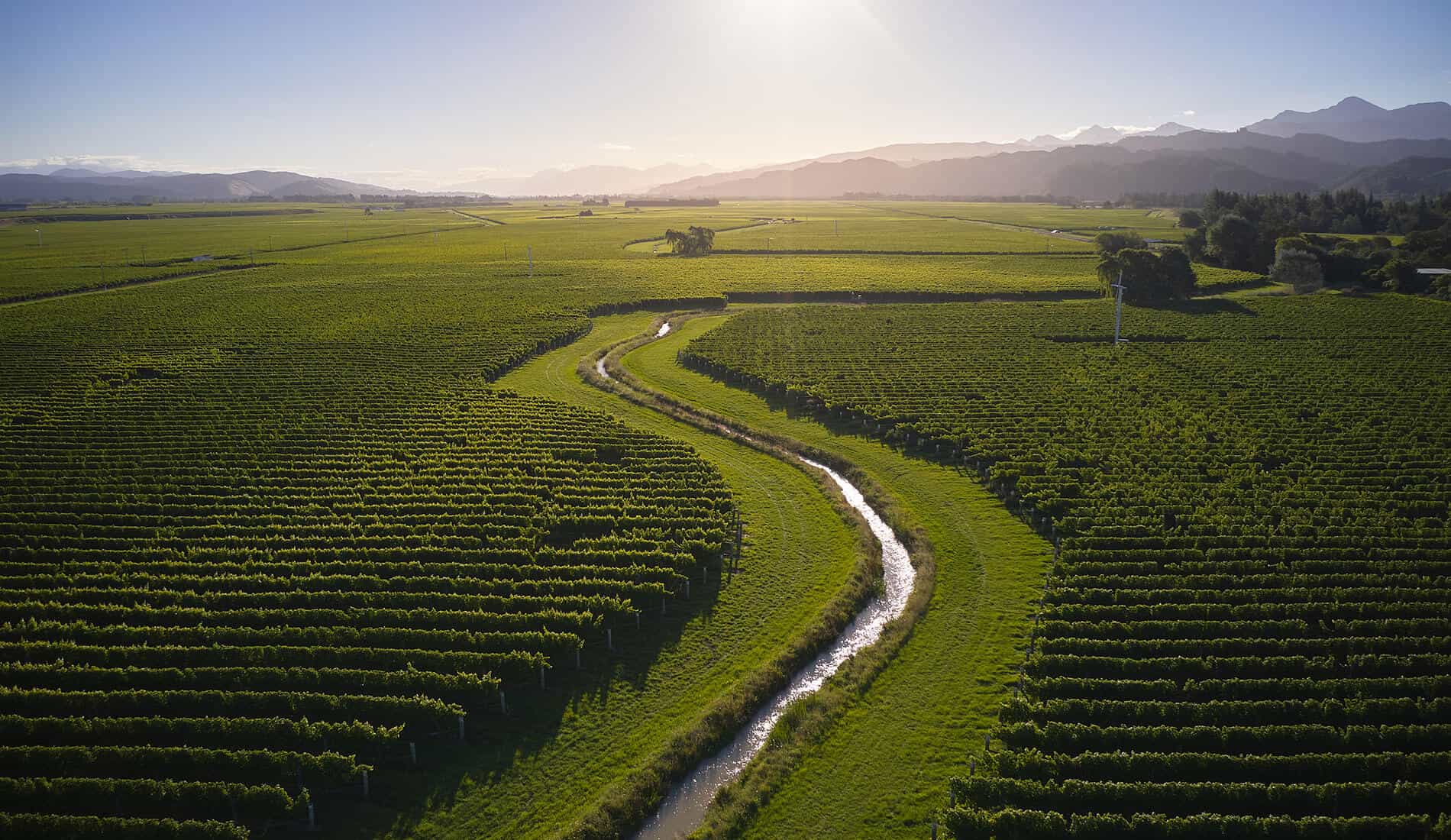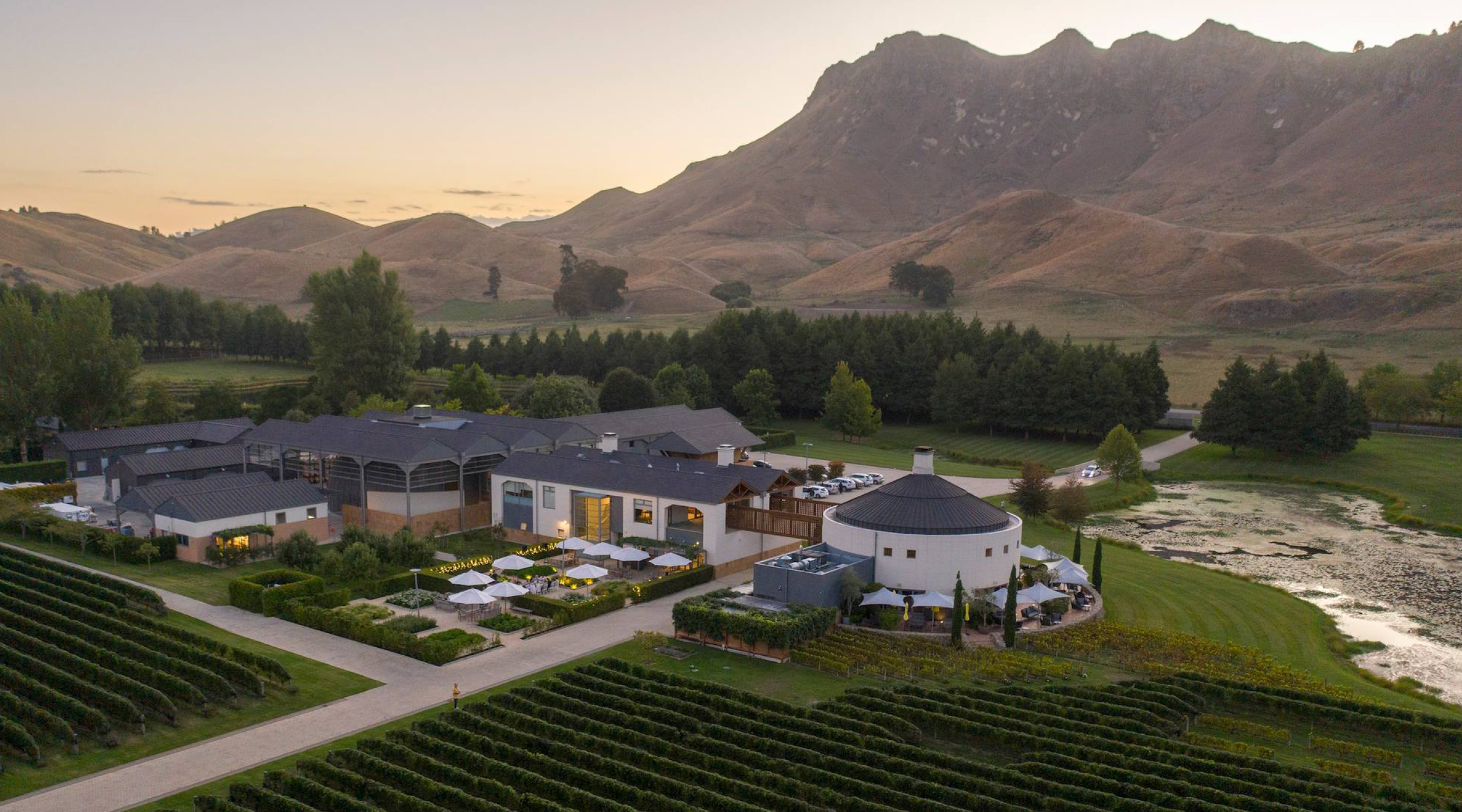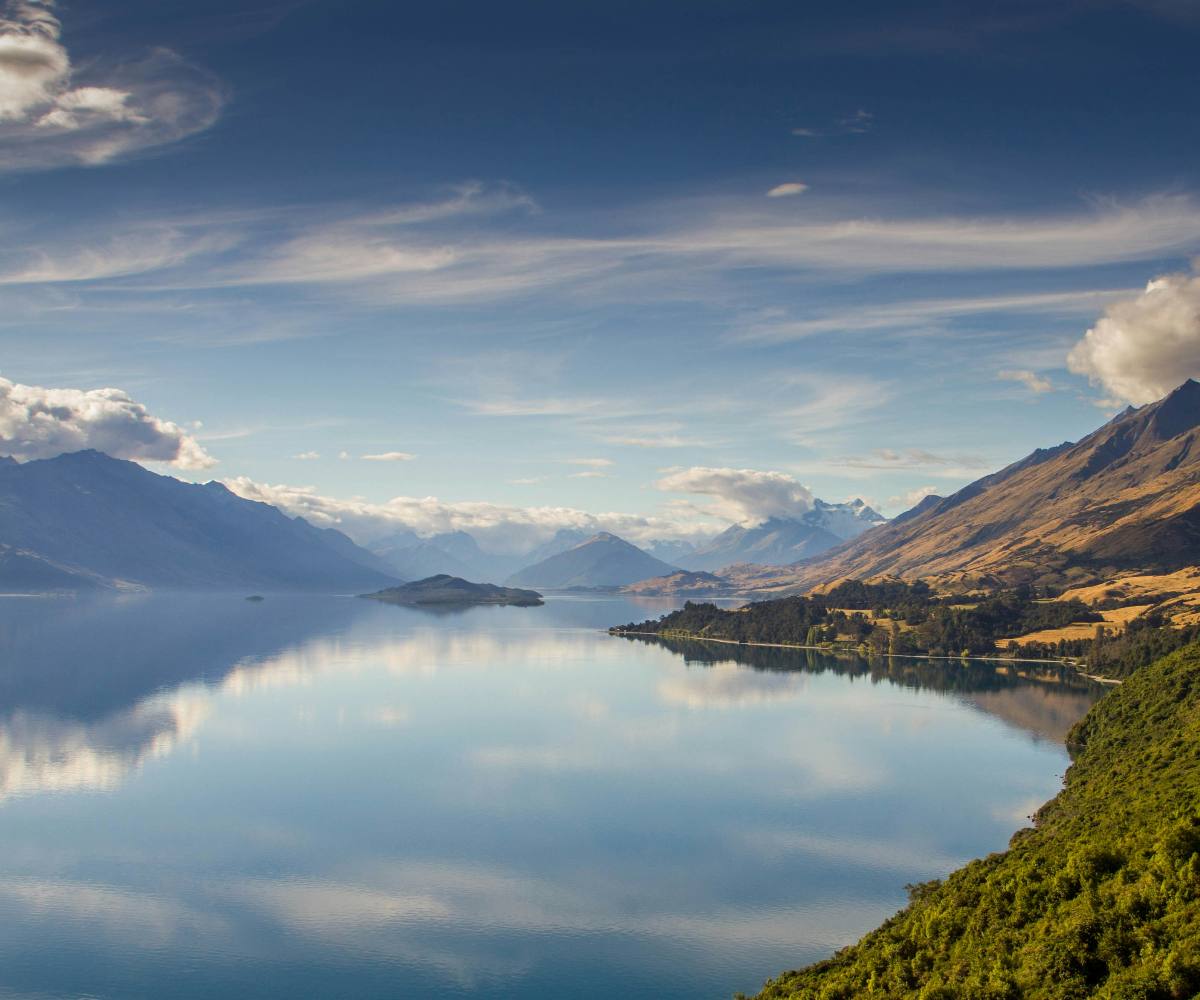
There is a moment, arriving in Central Otago for the first time with wine on the agenda, when the landscape makes the whole enterprise feel slightly improbable. Schist rock formations jutting from dry hillsides. Wide basins under enormous skies. Mountain ranges on every horizon. Rows of vines that appear improbably precise against a backdrop that looks more like the American West than any European wine country you have visited. The region does not look like it should produce some of the world's finest pinot noir. That is a significant part of what makes it interesting.
- Central Otago’s unique climate, characterized by warm days and cold nights, creates the ideal environment for producing pinot noir with exceptional acidity and flavor complexity.
- The region comprises six distinct sub-regions, including Gibbston, Bannockburn, and Wānaka, each offering unique terroir that influences the character of the wines produced there.
- Bannockburn serves as the region’s prestige address, gaining international acclaim for its biodynamic viticulture and consistently high-scoring, complex pinot noir.
- Modern Central Otago wine culture, rooted in early 1970s experimentation, has evolved into a premier destination for luxury travel, fine dining, and cellar door experiences.
Central Otago is the world's southernmost commercial wine region — a geographical distinction that comes with a climatic character unlike any other wine region in the Southern Hemisphere. Continental rather than maritime, with warm days, cold nights, and seasonal extremes that produce wines of great precision and intensity. It covers six distinct sub-regions across a mountainous terrain between Queenstown and Dunedin, and it contains over 140 producers, approximately 50 cellar doors, and a supporting cast of restaurants, lodges, and luxury experiences that have made it one of the world's most considered wine destinations.
01The Climate That Makes Central Otago Possible
Central Otago sits behind the Southern Alps in their rain shadow — sheltered from the moisture systems that drive New Zealand's western coastline and producing a climate that feels almost alpine-continental rather than the maritime conditions that define most New Zealand wine. The consequences of that positioning are what give Central Otago pinot noir its distinctive character.
The daily temperature swing between warm afternoons and cold nights — sometimes exceeding 20 degrees Celsius in summer — slows ripening and extends the growing season, allowing the grapes to develop flavour complexity while retaining the acidity that prevents them from becoming merely heavy and sweet. It is this combination of physiological ripeness and retained precision that wine critics from Decanter, Wine Spectator, and Wineanorak identified at New Zealand's Pinot Noir 2025 symposium in Christchurch: a quality described in those critical circles as "less process, more place" — wines that taste emphatically of where they came from.
The region's extreme climate also means drought conditions are typical in summer — irrigation is a necessity, not an option, fed from snowmelt in the surrounding ranges. And the frosts that can arrive in spring and autumn make site selection fundamental: the difference between a north-facing slope above frost level and a valley floor below it can be the difference between a vintage and a disaster. — explored in our Queenstown and Wanaka luxury property market 2026.
02A History Written in Gold Rush and Pinot Noir
The first vines in Central Otago were planted in 1864 by Jean Desiree Feraud — a Frenchman who had arrived two years earlier to make his fortune in the Dunstan gold rush and stayed to plant grapes on the same schist terraces where his fellow prospectors panned for gold. The region's first gold medal was awarded for "Burgundy" at the Sydney Exhibition in 1881. Then came sheep, then stone fruit, and the vines were largely abandoned until the 1950s when a quiet resurgence began.
The modern Central Otago wine industry begins in earnest in the 1970s and 1980s with a small group of pioneers — Rolfe and Lois Mills at Rippon Vineyard in Wānaka, Alan Brady at Gibbston Valley, the Black Ridge team in Alexandra — whose collective conviction that pinot noir could succeed here at the world's most southerly latitudes established the foundations of what the region has become. Gibbston Valley made the first commercial release of Central Otago pinot noir in 1987. Felton Road planted 11 hectares of vines in the early 1990s, doubling the region's entire plantings in a single decision.
The 1990s brought the first international critical recognition — medals in London, attention from wine media across the UK and US, and a rapid expansion of plantings that has continued ever since. Today, over 2,055 hectares of vines are planted across the six sub-regions. Bannockburn received formal Geographical Indication status in 2022 — the first sub-region in Central Otago to achieve this, reflecting the international recognition of its specific terroir.
03The Six Sub-Regions: A Guide to the Differences That Matter
Central Otago is not one wine region in the sense of a single consistent style. It is six sub-regions with meaningfully different altitudes, exposures, soil types, and temperature ranges that produce wines of genuinely distinct character. Understanding the differences is the foundation of using the region well.
Gibbston — the gateway from Queenstown, running along the Kawarau Gorge east of the city. The highest sub-region, with cooler temperatures and later ripening than its neighbours. Wines from Gibbston tend toward elegance and lift: lighter in colour, higher in acid, with red cherry, fresh herb, and a pronounced mineral character. Peregrine's architecturally celebrated winery building — designed to evoke a falcon's wing in flight — sits here. So does Gibbston Valley, which continues to operate one of the region's most accessible cellar door experiences including cave wine tours. Kinross, which represents five local labels under one roof, is the most efficient single stop for a visitor wanting range.
Bannockburn — the region's prestige address, where Felton Road has built an international following on the strength of biodynamic wines that score in the mid-to-high 90s from every credible critic who assesses them. Warmer and drier than Gibbston, with wines described as classically Central Otago: intense plum and cherry fruit, sweet spice, complexity. Mt Difficulty anchors the sub-region for visitors who want wine and a meal — its restaurant is consistently among the finest in the region. Te Kano, with its striking rusted steel cantilever tasting room, produces wines that go beyond the Central Otago standard varieties, including a Cabernet Franc that regularly surprises visitors who expected only pinot.
Cromwell Basin — the region's largest sub-region by area, encompassing Bendigo, Pisa, Lowburn, and the town of Cromwell itself. Cloudy Bay, whose Marlborough sauvignon blanc is among New Zealand's most recognised global labels, operates a Central Otago cellar door at Northburn near Cromwell — producing Te Wāhi pinot noir from 2010 onwards in a style quite different from the Marlborough character that made the brand famous. Wooing Tree is adored locally for its "Blondie" blanc de noir and opened a new cellar door and kitchen in 2025. Quartz Reef leads with méthode traditionnelle sparkling wine and has built a following among those who approach Central Otago beyond pinot.
Wānaka — the smallest sub-region and, for many visitors, the most scenically remarkable. Rippon Vineyard, planted by the Mills family in the early 1970s on the shore of Lake Wānaka with Mount Aspiring in the background, is described across multiple sources as possibly the most photographed vineyard in New Zealand. Its biodynamic wines — made from low-yielding, mature vines on one of the region's most distinctive sites — are among the most sought-after in the country. The view from Rippon's cellar door alone, with the vineyard descending to the lake and the Southern Alps reflected in the water, is worth the drive from Queenstown.
Bendigo — situated on the eastern side of Lake Dunstan, where north-facing vineyard sites absorb maximum sunlight exposure and produce wines that can approach the ripeness and texture of Bannockburn. Increasingly regarded as a source of exceptional quality as vine age increases.
Alexandra — the southernmost sub-region, furthest from the standard tourist loop and, as a result, the most surprising for visitors who make the additional hour's drive. New Zealand's hottest summer temperatures create a paradox: the southernmost wine region produces some of the country's most heat-influenced expressions in this sub-region. Judge Rock and Ruru are the standout cellar door experiences — the latter perfectly positioned on the Otago Central Rail Trail for cycling visitors.
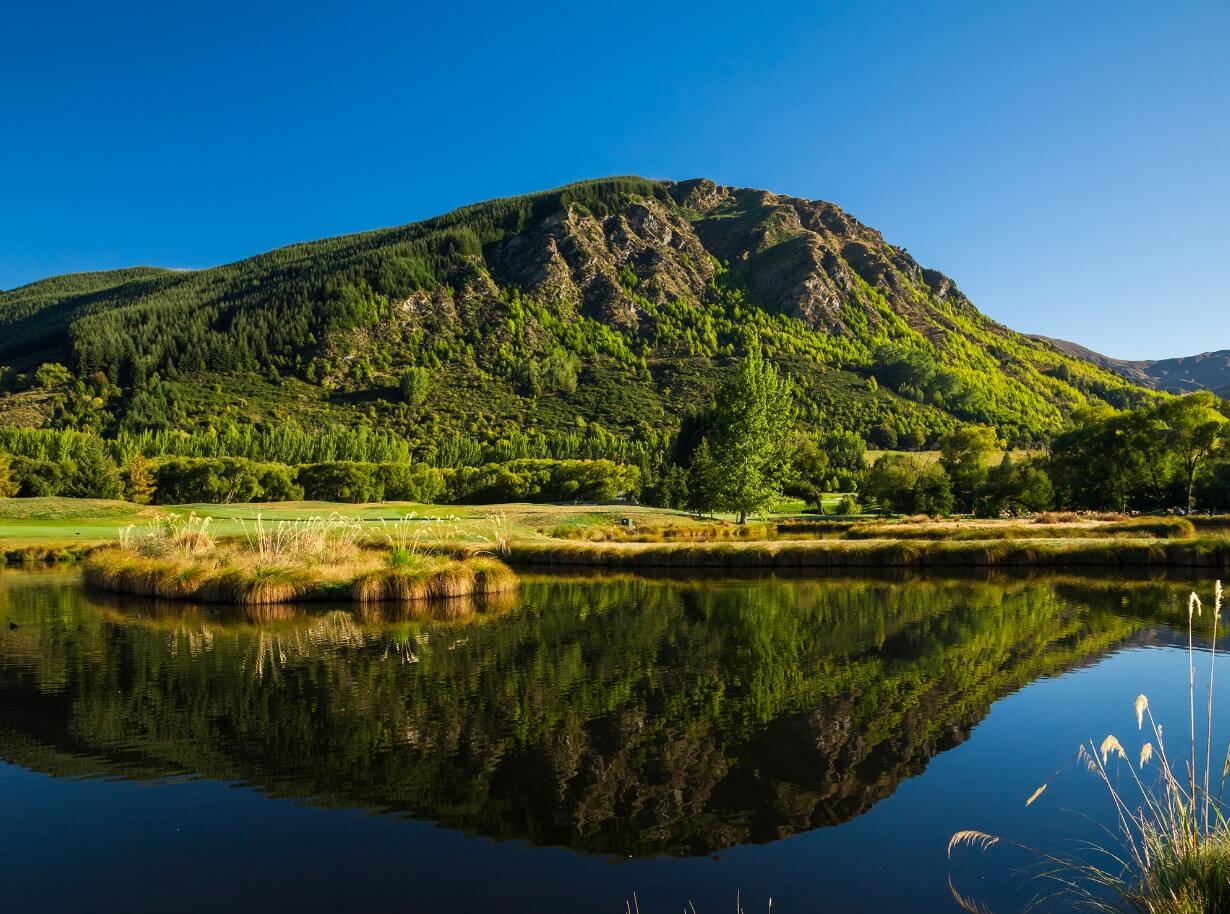
Image: Voyages.golf / voyages.golf — The Central Otago landscape that frames the region's most celebrated vineyards
04The Wines Beyond Pinot Noir
Pinot noir accounts for approximately 70 percent of Central Otago plantings — but the remaining 30 percent contains some of the region's most interesting individual stories.
Pinot gris has serious momentum, with more than 174 hectares planted and styles ranging from crisp and dry to gently off-dry, typically expressing pear and stone fruit with a weight that suits the alpine dining context. Riesling appears more frequently than visitors expect — dry, structured examples that can reset the assumption that riesling means sweet, particularly from Gibbston where the cooler conditions amplify the variety's natural acidity. Gewürztraminer arrives at more cellar doors than the variety's international profile would suggest; it thrives in the diurnal swing that also benefits pinot.
The sparkling wine story is increasingly compelling. Quartz Reef produces méthode traditionnelle from Central Otago fruit with genuine precision. Wooing Tree's Blondie blanc de noir — 100 percent pinot noir with minimal skin contact — is the celebratory label of choice for Cromwell visitors. And pétillant naturel bottlings appear from Mount Edward and Judge Rock for those who want something looser and more playful alongside the more serious offerings.
05Three Producers That Define What Central Otago Can Be
Felton Road — Bannockburn, by appointment only. The benchmark producer for biodynamic winegrowing in New Zealand. Their Block 3 and Block 5 single-vineyard pinot noirs have scored 96/100 from Wineanorak at the Pinot Noir 2025 symposium and comparable scores from Wine Advocate and Decanter over multiple vintages. The appointment-only model — members and direct contacts only — reflects the fact that every bottle is already spoken for before the wine is released. Buy a bottle for dinner and form your own view.
Rippon Vineyard — Wānaka, lakefront, biodynamic since the Mills family planted the first vines here in the 1970s. Mature vines on glacially derived soils above Lake Wānaka, with views that have appeared in every wine publication that has sent a photographer to New Zealand. The cellar door is open seasonally; visits in early morning before the Wānaka day-trip coaches arrive are the ones to seek.
Two Paddocks — Alexandra Basin, owned by actor Sam Neill, no public cellar door (wine club and events only). Its Last Chance vineyard was long considered the world's most southerly commercial wine site. The wines — including The Last Chance pinot noir and Picnic rosé — appear on almost every Central Otago restaurant wine list and are among the most reliably consistent the region produces. Order a bottle rather than expecting a visit. — explored in our New Zealand luxury property market 2026.
06Luxury Vineyard Accommodation in Central Otago
Gibbston Valley Lodge and Spa — the most complete wine-immersive stay in the region, with luxury villas nestled in the vines in the Gibbston Valley sub-region. Wine experience packages, a day spa, and direct access to the Gibbston Valley cellar door and restaurant make it the most self-contained option for a wine-focused stay.
Kinross Cottages — boutique vineyard cottages in Gibbston, with stays from NZD $349 per night for two including breakfast, dinner, a bottle of Kinross Storm Cloud Pinot Noir, a Classic Wine Experience at the cellar door, and a private hot tub. The most accessible price point for a genuine vineyard stay in the region.
Carrick Winery Accommodation — the certified organic Bannockburn producer offers vineyard accommodation directly at the winery, combining access to their restaurant and cellar door with stays in the sub-region that produces some of the region's most acclaimed wines.
For buyers exploring Central Otago's lifestyle and residential property market — and the broader Queenstown-Wānaka corridor — the wine region provides the most articulate expression of what daily life in this landscape looks, tastes, and feels like across the seasons.
07Itinerary: Four Days in Central Otago Wine Country
Day 1 — Queenstown arrival, Gibbston afternoon: Drive the Kawarau Gorge to Gibbston Valley for the cave wine tour and lunch. Stop at Peregrine for architecture and pinot. Return via Kinross for a late afternoon tasting across five labels.
Day 2 — Bannockburn full day: Drive to Bannockburn for a morning at Felton Road (appointment essential — book well ahead). Lunch at Mt Difficulty restaurant. Afternoon at Carrick and Te Kano. Evening at Amisfield near Lake Hayes on return.
Day 3 — Cromwell Basin and Wānaka: Morning at Wooing Tree and Quartz Reef near Cromwell. Drive north to Wānaka for an afternoon at Rippon — arrive before 11am. Dinner in Wānaka at Francesca's or Kika.
Day 4 — Alexandra and rail trail: Extend south to Alexandra for Ruru (on the rail trail) and Judge Rock. Return via Cromwell for an orchard stop and evening back in Queenstown. — explored in our Blanket Bay Lodge Glenorchy Queenstown. — explored in our Millbrook Resort Queenstown golf.
08The Region That Rewards Slowing Down
Central Otago is easy to do badly — arriving from Queenstown for a morning, hitting two cellar doors, and leaving before lunch. Visitors who do this see the vineyards but miss the region. The ones who stay four nights, drive the Cromwell Basin on a Tuesday morning when no one else is there, sit at Rippon before the tour coaches arrive, or follow the Otago Central Rail Trail past Judge Rock on a clear autumn afternoon — those are the visitors who leave understanding what makes this corner of New Zealand genuinely extraordinary.
For those exploring lifestyle and residential property in the Central Otago and Queenstown-Lakes district, nzluxuryhomes.nz provides private access to the most considered holdings in this market — including vineyard-adjacent and high-country lifestyle properties not available through conventional portals.