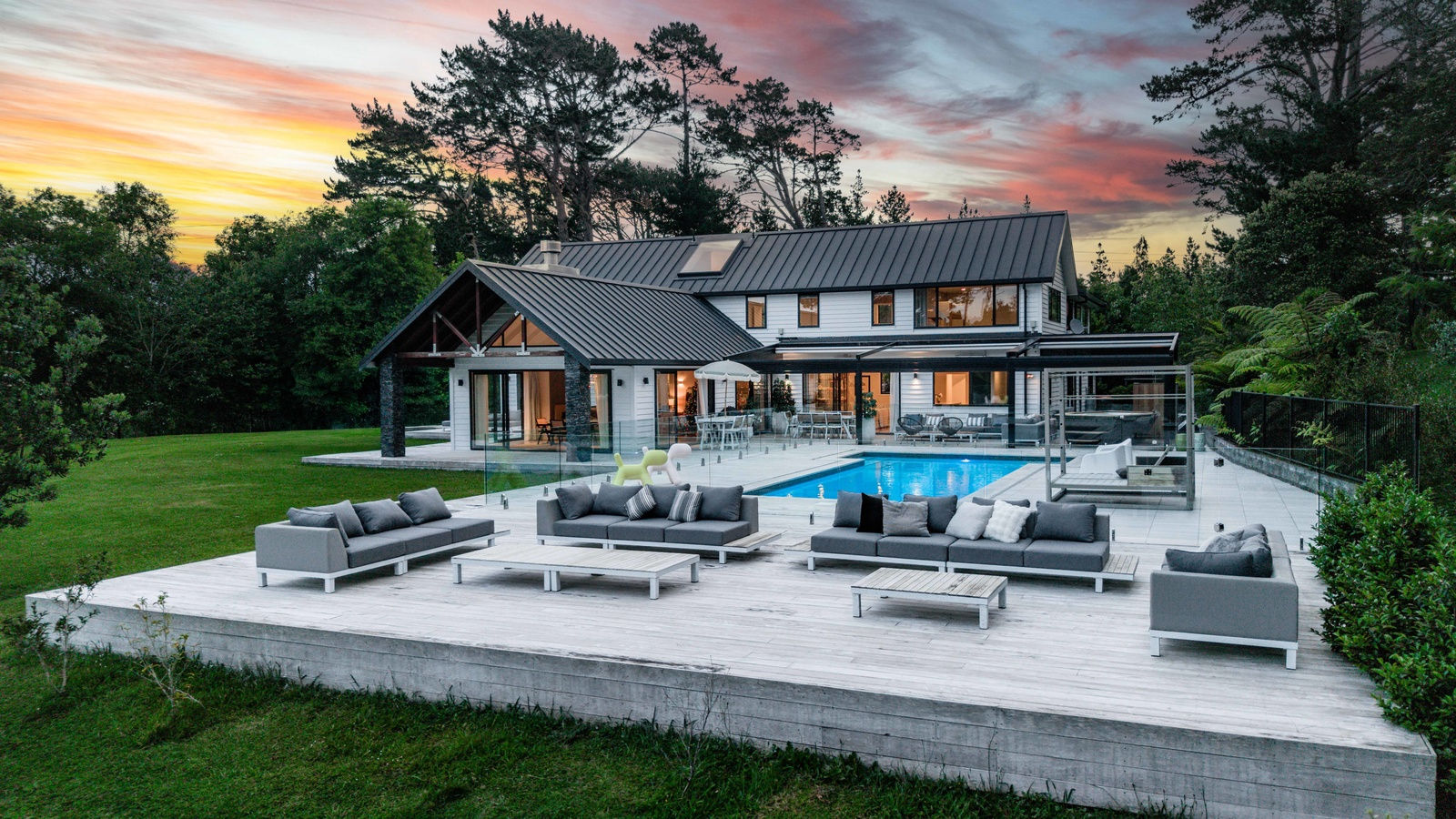
The era of the sprawling, energy-hungry mega-mansion is quietly sunsetting. For the global ultra-high-net-worth (UHNW) investor, the ultimate luxury is no longer measured in mere square footage. Instead, it is defined by absolute autonomy, uncompromising ecological stewardship, and intelligent design. As we navigate 2026, the intersection of New Zealand's elite property market and the booming eco-luxury tourism sector has forged a highly coveted, yield-bearing asset class: the regenerative private estate.
- The era of the energy-hungry mega-mansion is ending.
- UHNW investors now favor 'regenerative' properties.
- Eco-luxury assets provide both yield and personal satisfaction.
- Absolute autonomy and environmental stewardship are the new markers of status.
01The New Benchmark: Regenerative Real Estate
New Zealand has long held an international reputation as a pristine, edge-of-the-world sanctuary. Yet, the demands of the $3M+ buyer have evolved at a staggering pace over the last 24 months. Today's premium purchasers—whether local connoisseurs optimizing their portfolios or international buyers navigating the new regulatory landscape—are no longer satisfied with properties that simply limit their environmental impact. They are seeking regenerative real estate.

Simon Devitt / Studio Pacific Architecture

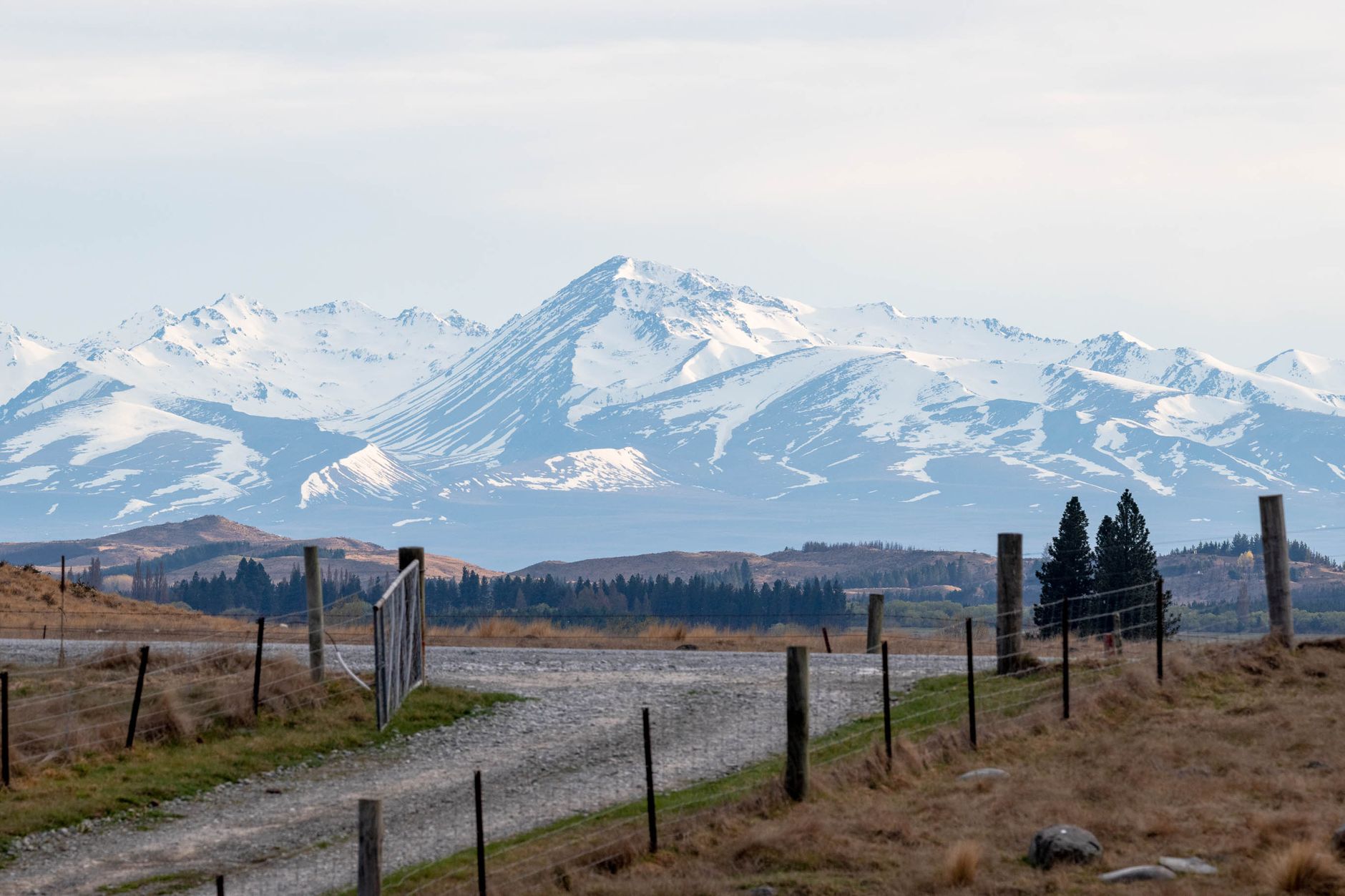
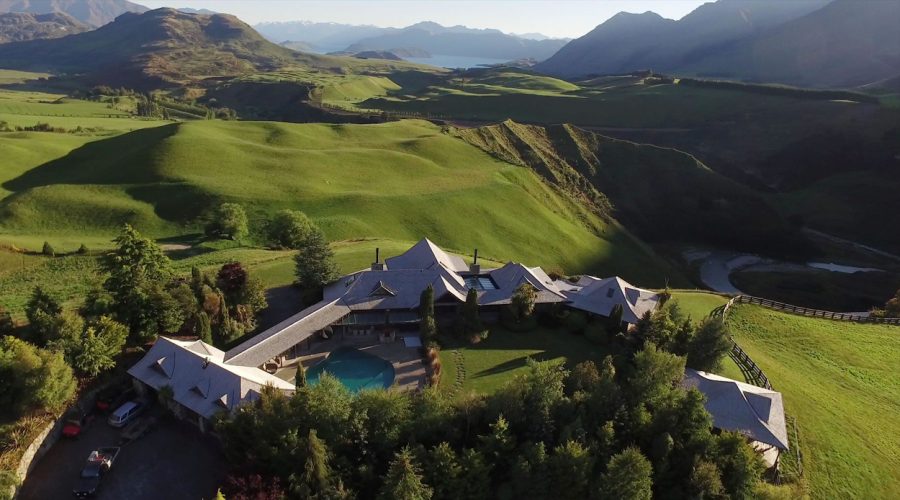
The distinction between sustainable and regenerative is critical. While sustainable real estate seeks to minimize harm, regenerative real estate actively heals and enhances its immediate environment. This shift in buyer psychology is fundamentally altering property valuations in prime enclaves like Wanaka, the Bay of Islands, and Waiheke Island. A private lodge nestled in the Southern Alps, completely off-grid yet boasting smart-climate wine cellars, wellness pavilions, and commercial-grade solar arrays, now commands a distinct, measurable premium over traditional luxury builds.
02The Eco-Lodge as a Yield-Bearing Asset
For sophisticated investors, the private eco-estate offers a compelling dual-purpose thesis. The global appetite for luxury eco-tourism continues to outpace traditional high-end travel. Affluent travelers—particularly from North America and Europe—are increasingly willing to pay unparalleled nightly rates for exclusivity that leaves absolutely zero carbon footprint.
Forward-thinking investors are capitalizing on this paradigm by developing or acquiring properties that function as private, multigenerational retreats for part of the year, and operate as elite, fully managed eco-lodges for the remainder. These properties are seamlessly integrated into the high-end experiential tourism matrix. By offering curated, low-impact experiences—from heli-foraging and regenerative agriculture tours to private marine conservation initiatives—these estates deliver robust yields while serving as timeless legacy assets.
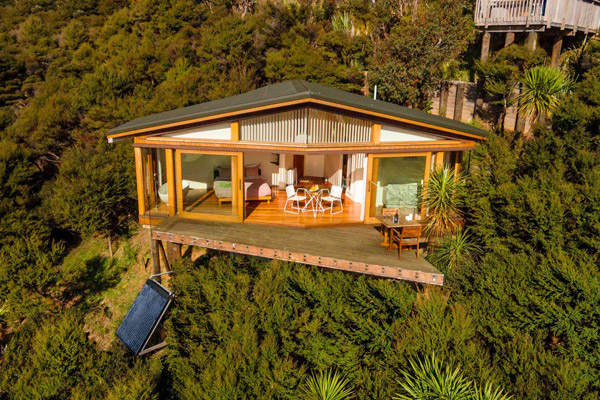
In a world defined by geopolitical complexity and rapid urbanization, a self-sustaining New Zealand estate is perhaps the ultimate safe-haven asset. It offers financial yield, environmental impact, and personal sanctuary in equal measure.

Simon Wilson / Herbst Architects
03Architectural Alchemy: Where Design Meets Ecology
The architectural language of New Zealand luxury has been decisively rewritten. The aesthetic of 2026 is an exercise in sophisticated camouflage. The most celebrated homes are designed to disappear into the topography, utilizing native planting, locally sourced schist, and cross-laminated timber (CLT) to anchor the structure deeply into the land.

- Biophilic Integration: Architects are employing floor-to-ceiling structural glazing that blurs the boundary between the interior living space and the surrounding wilderness. This approach not only enhances mental wellbeing but also plays a crucial role in natural thermal regulation.
- Off-Grid Autonomy: State-of-the-art microgrids, advanced rainwater harvesting systems, and subterranean geothermal heating ensure true independence. These estates operate entirely off the grid without sacrificing the ambient luxuries of a five-star hotel.
- Circular Materiality: Premium builders are increasingly utilizing recycled steel, low-carbon concrete, and salvaged native timbers. This directly appeals to a new demographic of buyers who audit the embodied carbon of their real estate portfolios as rigorously as their financial returns.
04The Exclusivity of Isolation
For premium real estate professionals, the marketing narrative has irrevocably shifted. Representing a $10M property now requires a deep, technical fluency in both sustainable technology and land stewardship. Buyers are asking pointed, educated questions about historical water tables, biodiversity net gain, and long-term energy redundancy. They are not merely buying a house; they are acquiring the stewardship of a self-contained ecosystem.
In this upper echelon of the market, total isolation has become the ultimate amenity. However, it is an isolation enabled by invisible, cutting-edge technology. Whether it is a sculptural masterpiece clinging to a ridgeline in the Remarkables, or a coastal retreat enveloped by ancient native bush in the Coromandel, the prevailing message is clear. The future of New Zealand luxury real estate is green, silent, and entirely self-sufficient.
As the regenerative premium cements itself as the new industry standard, the properties that will hold the greatest value in the decades to come are those that tread the lightest on the earth. For the discerning investor, agent, and homeowner, ecological harmony is no longer an alternative lifestyle choice—it is the smartest, most sophisticated capital allocation one can make.

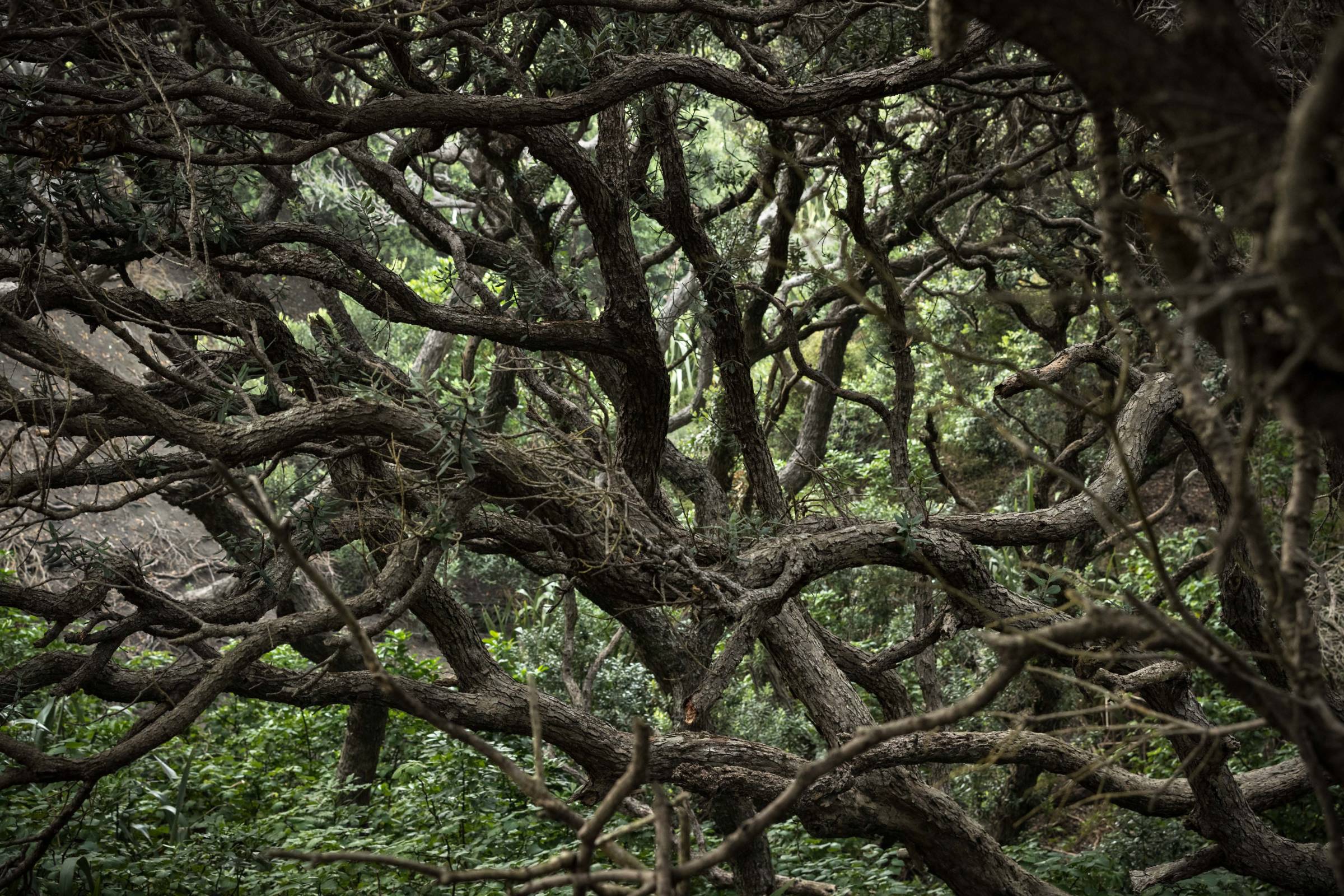
Patterson Associates
Discover more exceptional New Zealand residences and market insights at NZ Luxury Homes — nzluxuryhomes.nz.