01The Evolution of Prestige
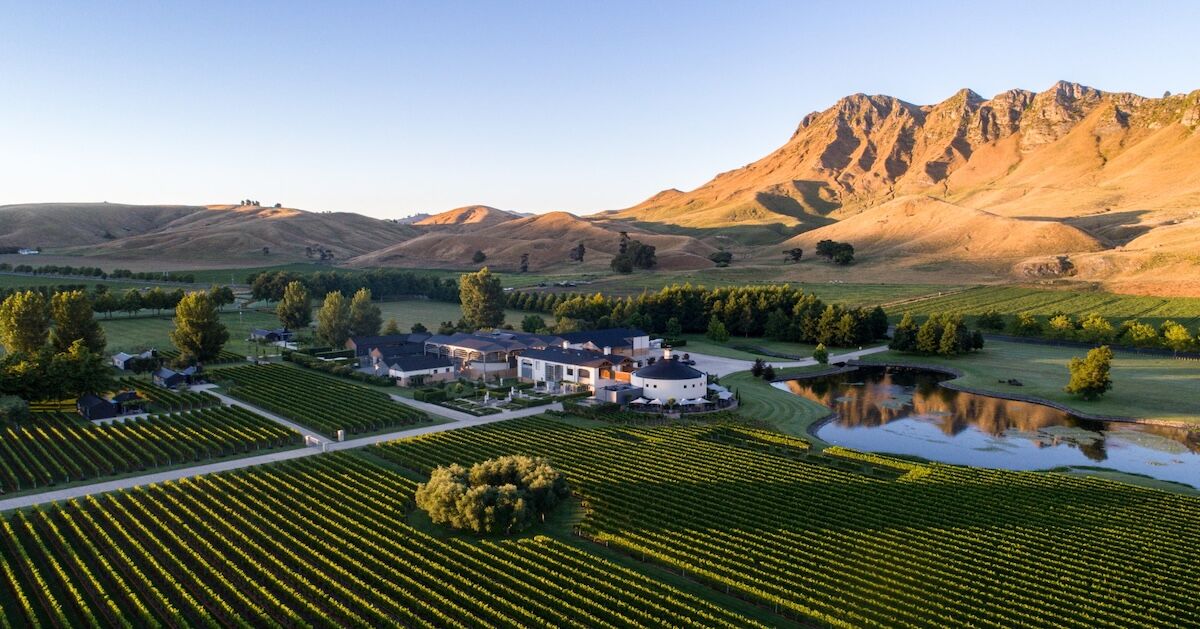
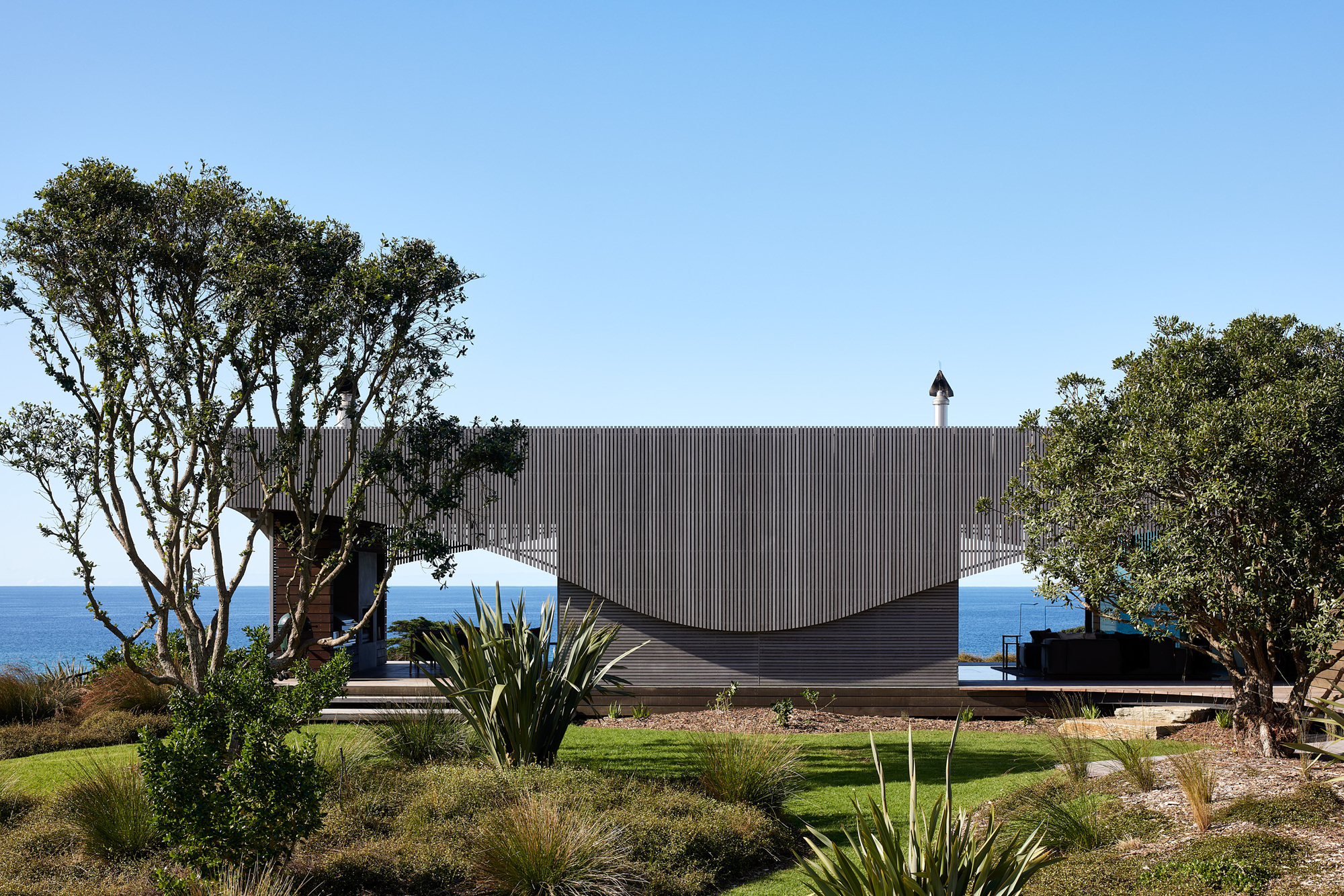
The definition of prestige in New Zealand’s high-end residential market is undergoing a profound transformation. As we navigate mid-2026, the era of ostentatious display has firmly given way to "quiet luxury." For properties north of the $3 million threshold, extravagance is no longer measured by sheer scale or glossy finishes, but by intention, material honesty, and an intrinsic, seamless connection to the natural landscape.
- Prestige is no longer measured by square footage but by design intention.
- Material honesty emphasizes raw, natural, and sustainable textures.
- Passive design performance is a key indicator of modern luxury.
- The market is witnessing a fundamental shift in buyer psychology.
- Connection to the landscape is an essential component of 2026 premium homes.
This shift is not merely a passing design fad; it is a fundamental reprogramming of buyer psychology. High-net-worth individuals, premium real estate agents, and discerning investors are increasingly evaluating architectural integrity as the primary driver of capital preservation and long-term asset value. Today’s premier homes are sanctuaries—designed not to demand attention upon arrival, but to reveal their quality over generations.
Simon Wilson / Herbst Architects
02Insights from the 2026 Architectural Vanguard
The recent 2026 Te Kāhui Whaihanga New Zealand Institute of Architects (NZIA) Regional Awards—most notably the Southern Architecture Awards held in May—served as a definitive barometer for this evolving market. The jury’s commendations heavily favored projects that masterfully balanced heritage and context with contemporary performance. The psychological impact of the past few years has cemented the demand for domestic environments that prioritize comfort, longevity, and meticulous technical precision.
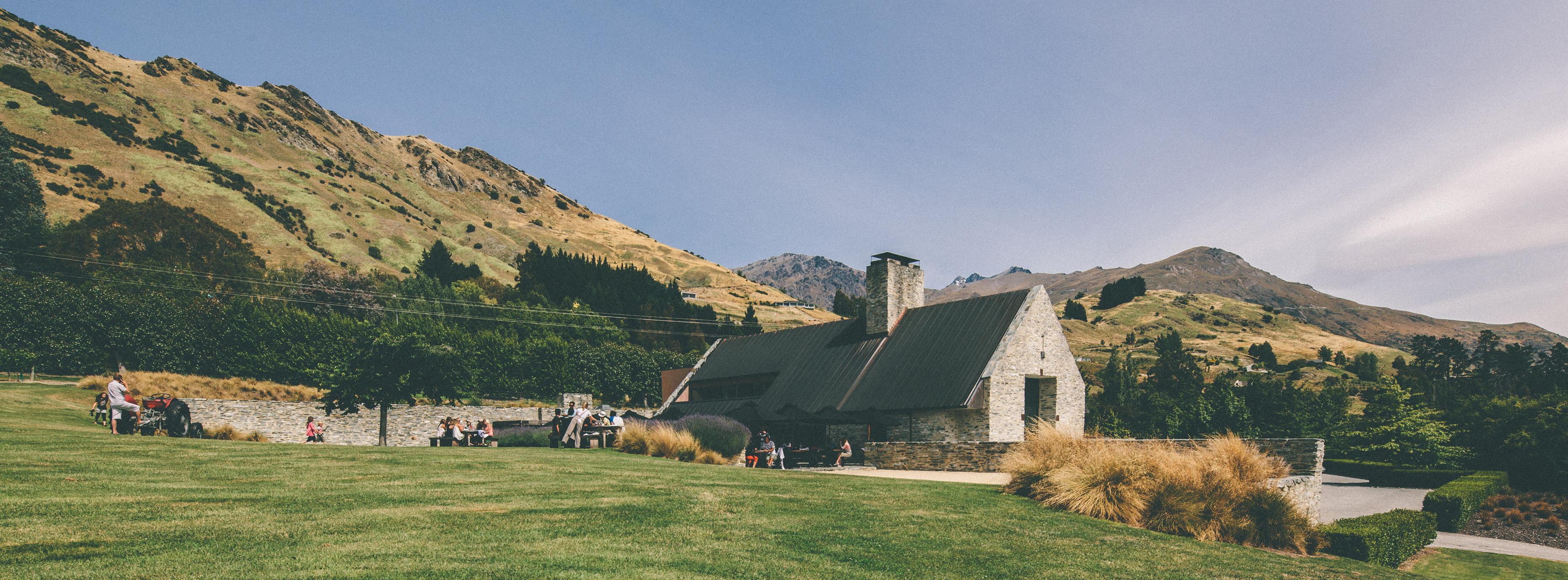
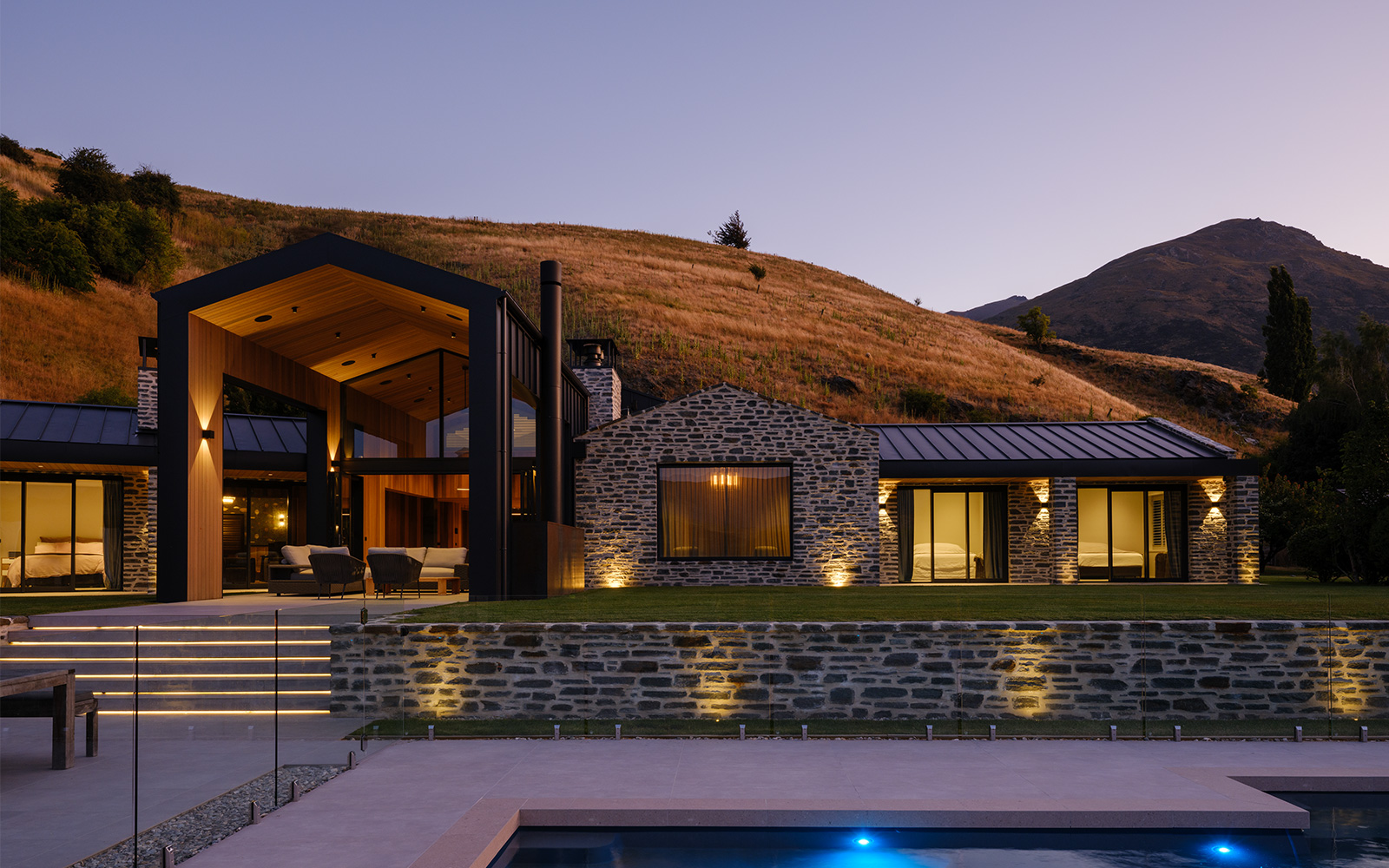
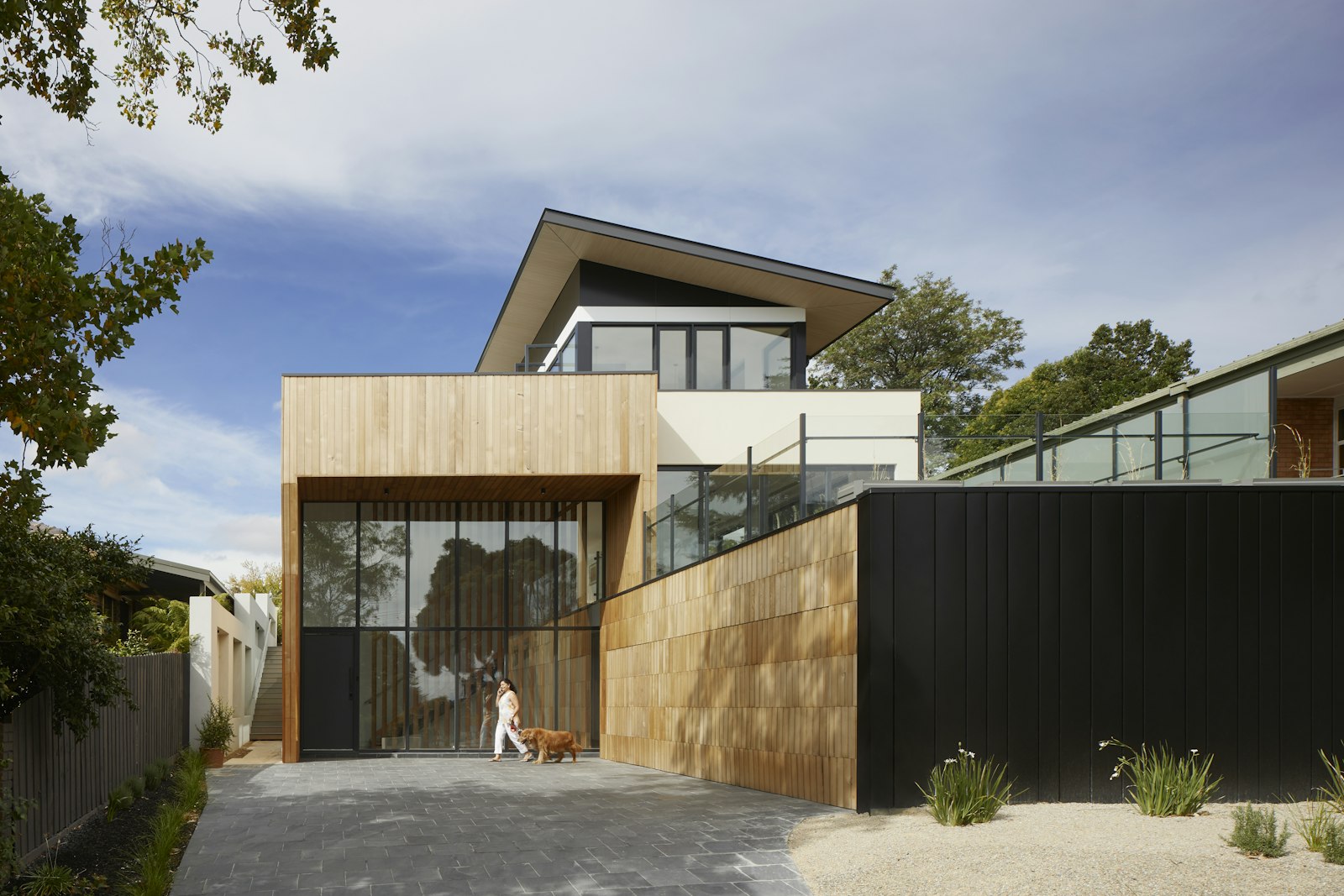
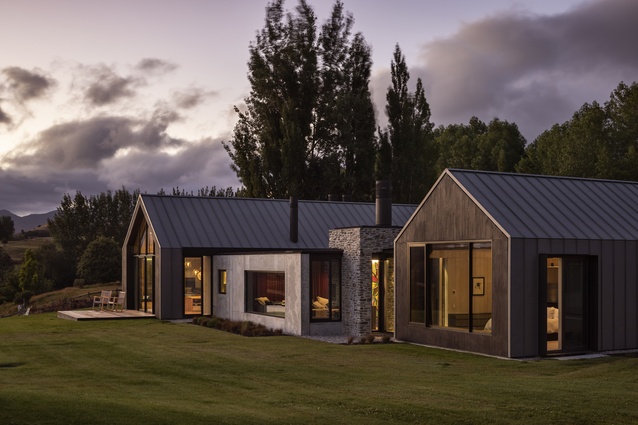
Particularly in hyper-competitive luxury enclaves like Wānaka, Queenstown, and Central Otago, the architectural narrative is dominated by hyper-local contextualism. Homes are increasingly treated as extensions of the dramatic southern landscape, employing layered, mixed-material facades. The single-material envelope has been replaced by curated compositions—where aluminium provides durability, timber battens introduce warmth, and substantial stone bases ground the residence into its rugged topography.
03Biophilic Design as a Structural Baseline
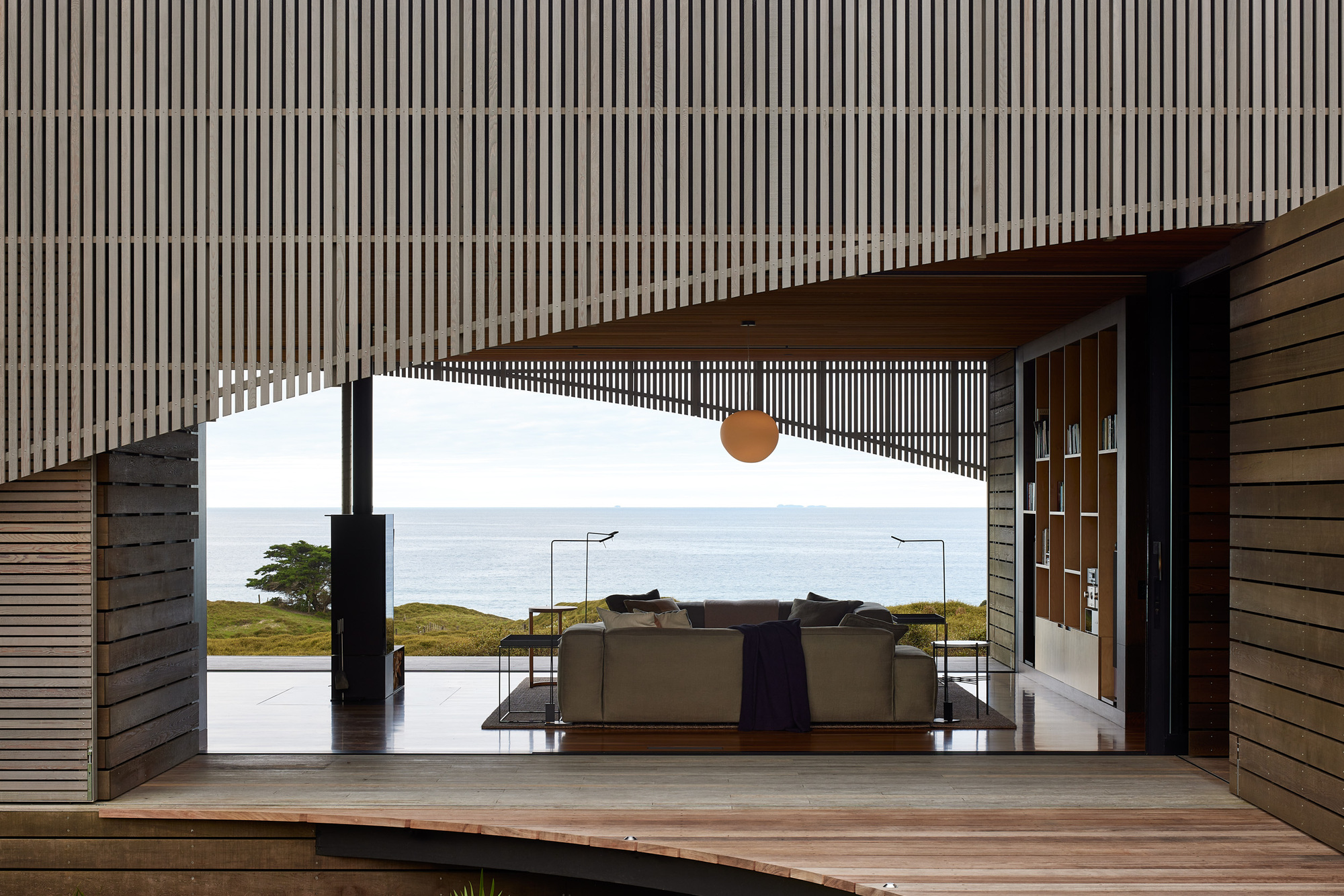
Biophilic design has matured from an interior styling choice into a foundational structural principle. The most compelling luxury homes entering the New Zealand market in 2026 embed nature directly into the spatial sequencing. It is a calculated move that significantly enhances a property's emotional resonance—and by extension, its market value.
Architects are deploying cross-laminated timber (CLT) and recycled steel not just for their environmental credentials, but for their structural elegance. Floorplans are meticulously choreographed to capture shifting natural light, utilizing expansive glazing, internal courtyards, and living roofs that support local biodiversity. For the premium agent, these features are no longer niche selling points; they are baseline expectations for the discerning buyer seeking a cohesive indoor-outdoor flow.

Simon Devitt / Studio Pacific Architecture
04Passive Performance: The New Standard of Wealth Preservation
Sustainability has transcended its eco-conscious origins to become a critical asset-protection strategy. In 2026, a home's passive performance is scrutinized with the same rigor as its location. High-net-worth investors understand that climate resilience, thermal efficiency, and energy independence are inextricably linked to a property's future-proofing and yield.
The integration of Passive House standards is particularly pronounced in the high-country markets, where severe seasonal shifts demand exceptional thermal envelopes. Advanced glazing, solar integration, and smart climate-management systems are seamlessly concealed within elegant architecture. Homes that can demonstrate this caliber of energy autonomy consistently command a premium on the open market, proving that environmental responsibility and financial prudence are perfectly aligned.

05The Return of Warmth and Tactility
Internally, the clinical, cool-grey minimalism that dominated the previous decade has been entirely retired. The 2026 interior forecast is defined by warmth, organic forms, and rich tactility. Premium residential projects are embracing earth-inspired palettes—terracotta, sage, and warm ochre—anchored by natural stone and textured plaster.
European oak flooring in warm caramel and honey tones, often laid in expressive herringbone or chevron patterns, has become the foundation of the luxury interior. Sharp, rigid lines are being softened by curved timber walls, wrapped staircases, and rounded cabinetry. These organic forms are fundamentally human, creating spaces that feel emotionally grounding and deeply inviting. For those marketing these properties, the narrative is one of enduring craftsmanship and sanctuary.
Simon Wilson / Herbst Architects

06The Investment Perspective
For the strategic investor and the top-tier agent, understanding these architectural shifts is paramount. The New Zealand luxury market is increasingly driven by sophisticated buyers who possess a nuanced understanding of design and construction. They are willing to pay a significant premium for homes that embody material longevity and environmental intelligence.
As the premium market continues to outpace broader economic fluctuations, the homes that will define the next decade of luxury real estate are those that whisper rather than shout. They are the properties that respect their environment, prioritize the wellbeing of their occupants, and deliver uncompromising quality through quiet, considered design. In 2026, the ultimate luxury is a home that feels entirely resolved—a masterpiece built not for the moment, but for the future.
Discover more exceptional New Zealand residences and market insights at NZ Luxury Homes — nzluxuryhomes.nz.