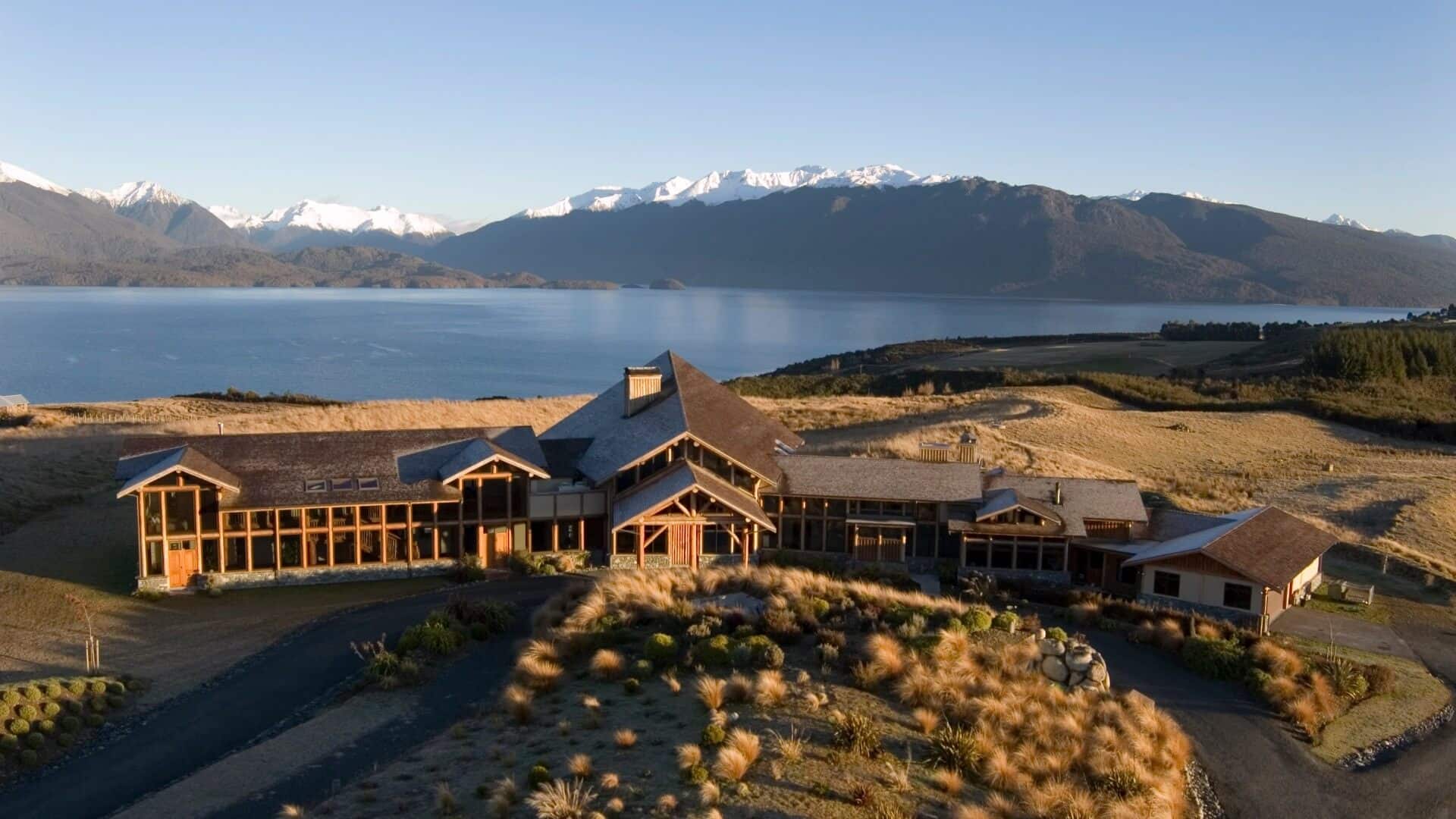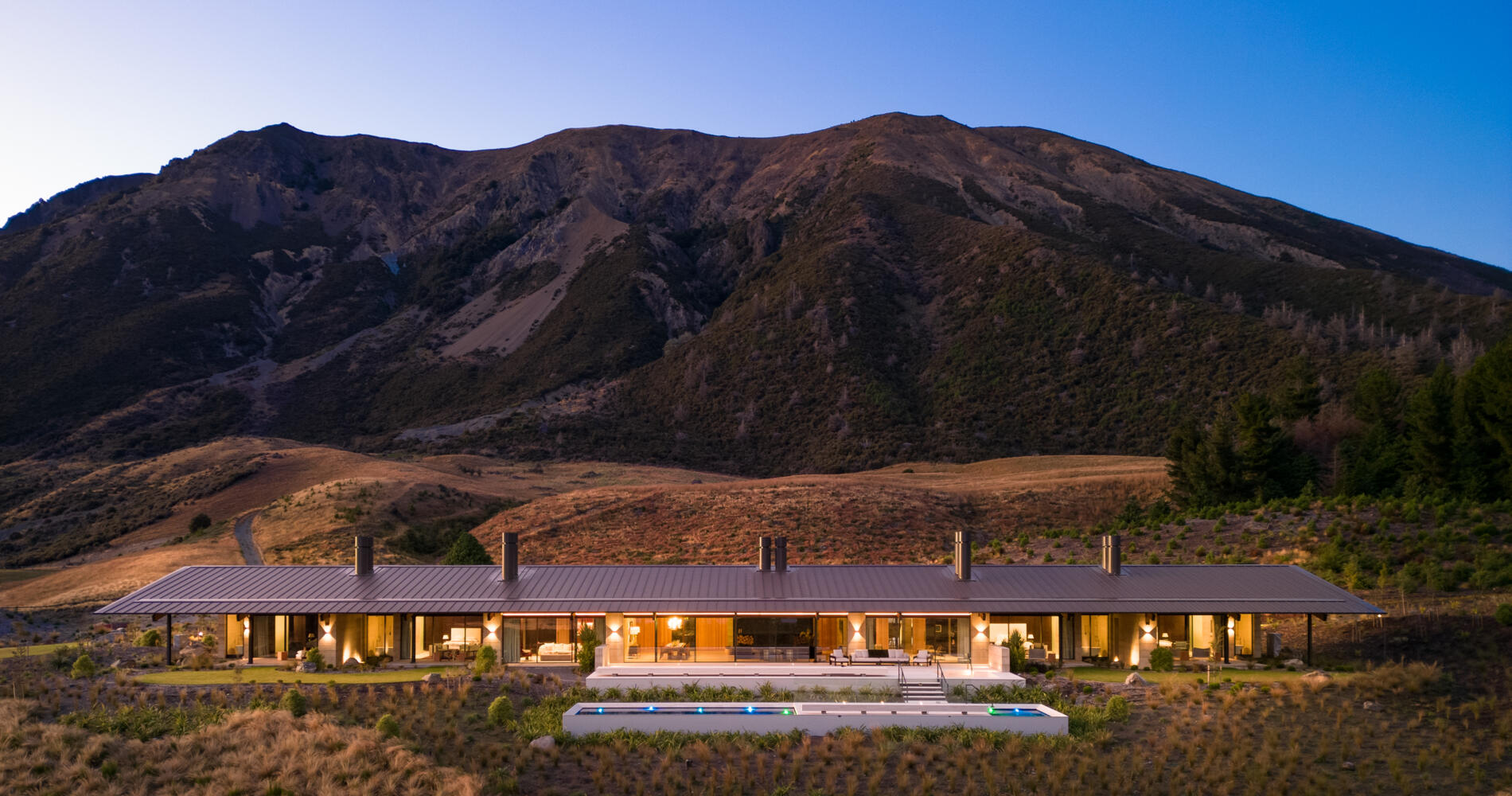
The definition of luxury in New Zealand real estate has undergone a quiet but profound recalibration. As we navigate the final quarter of 2026, the global high-net-worth community is no longer satisfied with mere square footage or proximity to urban centres. Today’s ultimate premium is isolation—specifically, isolation executed with uncompromising architectural precision. Nowhere is this shift more evident than at Flockhill Lodge.
- Flockhill Lodge demonstrates that contemporary luxury is driven by deliberate architectural isolation rather than urban proximity.
- The property functions as a dual-purpose asset, blending a high-performing working sheep station with exclusive ultra-luxury hospitality.
- Recent 2026 regulatory changes for golden visa holders have accelerated international demand for New Zealand's legacy wilderness estates.
- Sustainability and environmental conservation have evolved into essential metrics of value for sophisticated global investors.
Set within a 36,000-acre working sheep station in Canterbury’s Craigieburn Valley, Flockhill represents a masterclass in experiential real estate. Just 90 minutes from Christchurch, the property manages to feel entirely removed from the modern world, offering a blueprint for the future of ultra-luxury hospitality and investment in the Southern Hemisphere.

Photo: Ralph Kelly / Unsplash
01The Homestead: Blurring the Boundaries
At the heart of the Flockhill experience is The Homestead, a four-bedroom architectural triumph that accommodates up to eight guests. It is a space where the ruggedness of the Southern Alps is invited indoors, yet tamed by organic textures and bespoke, handmade furnishings. The design philosophy here is clear: the landscape is the hero, and the built environment exists solely to frame it.
Every room in The Homestead commands sweeping views of Lake Pearson, Sugar Loaf, and Purple Hill. It is a masterstroke of site placement. For the discerning buyer or developer, Flockhill serves as a compelling case study in how to leverage topographical drama. The property does not compete with its environment; it submits to it, resulting in an aesthetic that is both grounded and transcendent.
This is not a boutique hotel. It operates with the discretion and intimacy of a private estate. Guests are attended by a personal chef and dedicated staff, ensuring that the service matches the scale of the architecture. The daily menus, crafted from seasonal and locally sourced ingredients, anchor the experience in the terroir of the Canterbury high country.
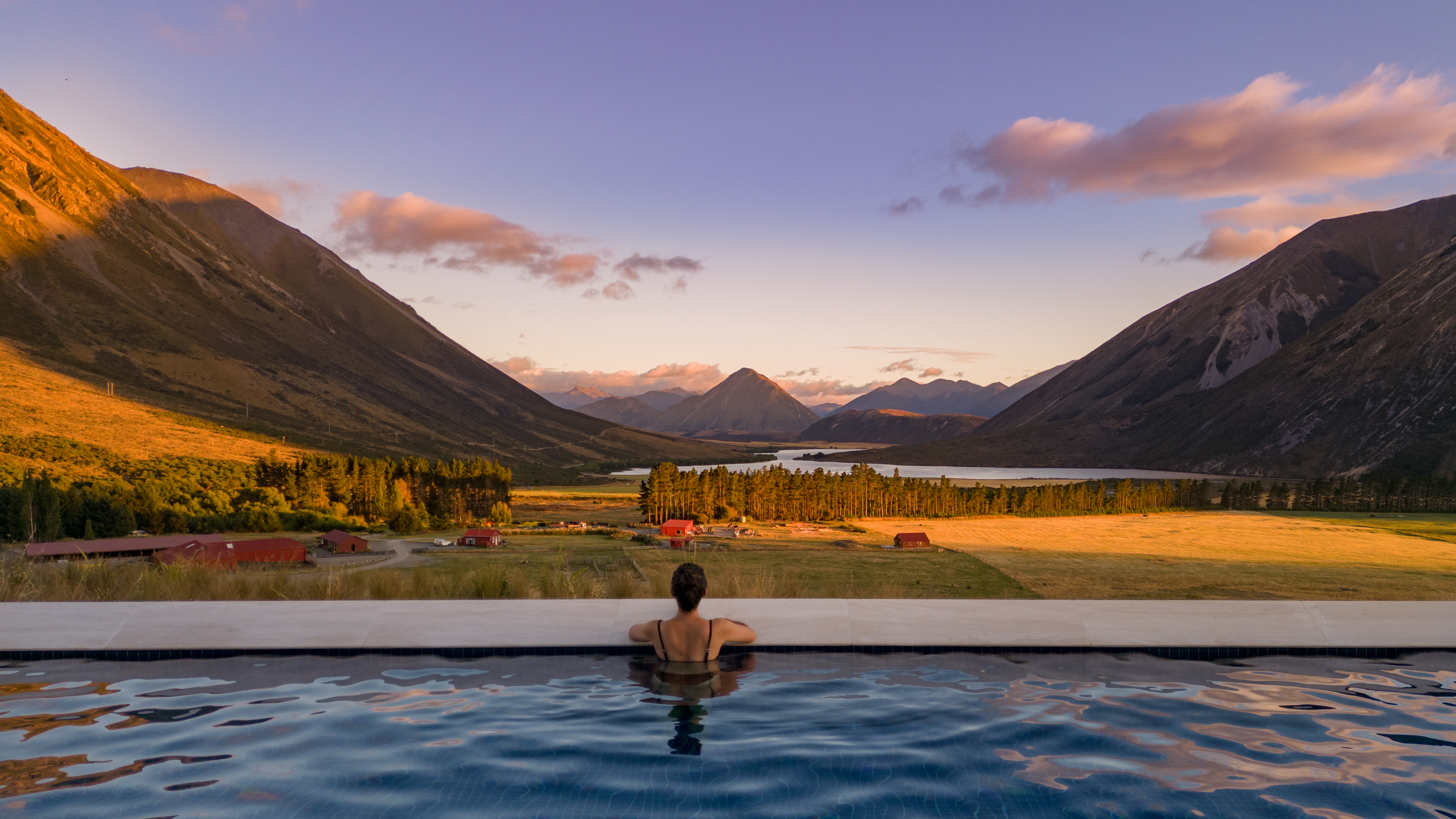

Photo: Casey Horner / Unsplash
02A Strategic Asset in a Shifting Market
From an investment perspective, properties of this calibre are increasingly viewed as strategic assets. Following the March 2026 easing of foreign buyer restrictions for golden visa holders, the demand for legacy estates has surged. International capital is actively seeking safe havens that offer both capital preservation and unparalleled lifestyle dividends.
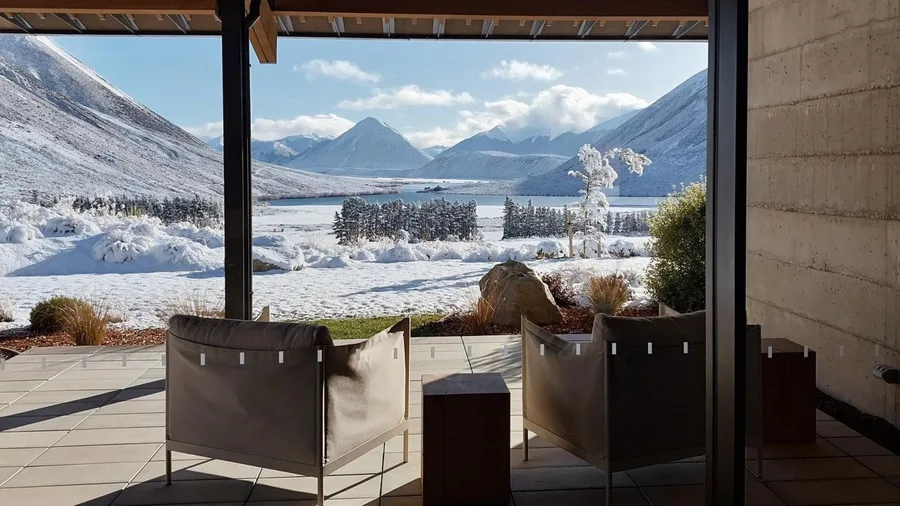
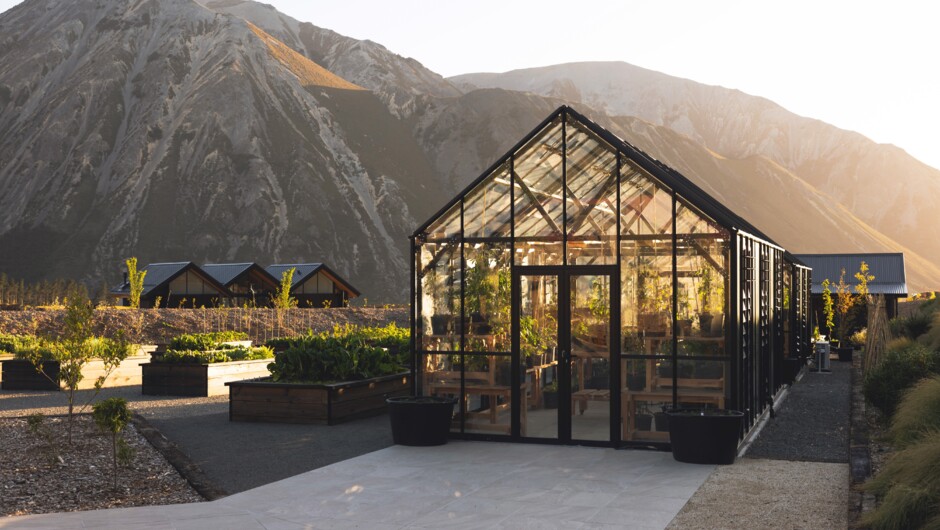
Flockhill’s dual identity as a luxury retreat and a working station—home to over 11,000 sheep—adds a layer of authenticity that cannot be manufactured. This operational aspect, coupled with rigorous environmental initiatives protecting threatened alpine flora and fauna, resonates deeply with the modern investor. Sustainability is no longer a peripheral concern; it is a core metric of value.
The lodge’s success underscores a broader market trend: the premium placed on properties that offer exclusive access to wilderness. Whether it is guided fly fishing on backcountry waterways, heli-adventures, or exploring limestone boulders, the amenities that matter most are those that cannot be replicated in a city.

Photo: Jay Wennington / Unsplash
03The Future of High-Country Luxury
As we look toward 2027, the trajectory for New Zealand’s ultra-luxury market is clear. The Treasury forecasts steady, multi-year growth, but the true alpha will be found in properties that offer scarcity, scale, and a profound connection to the land.
Flockhill Lodge is more than a destination; it is a benchmark. It proves that true luxury is not about excess, but about access—access to silence, to space, and to an environment that transcends lifetimes. For agents operating at the apex of the market, and for investors seeking the ultimate portfolio addition, the high country is calling.