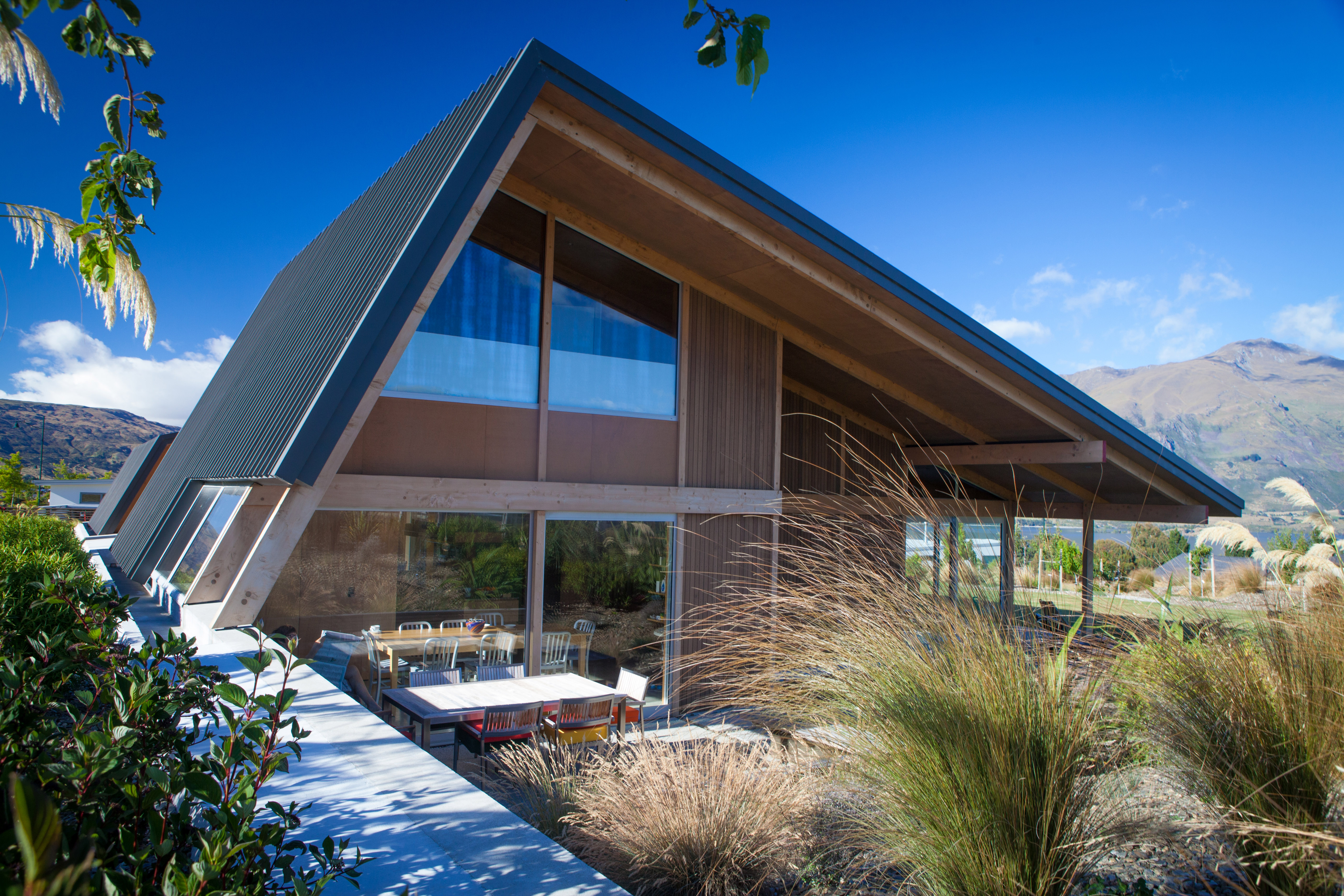
New Zealand’s luxury property landscape is undergoing a profound paradigm shift. The era of the ostentatious mega-mansion, constructed primarily as a monolithic status symbol, has quietly closed. In its place, the 2026 super-prime market—defined by properties commanding upwards of $3 million, and frequently exceeding $10 million in enclaves like Queenstown, Waiheke Island, and Auckland’s Herne Bay—is championing a more sophisticated, emotionally resonant approach. Welcome to the era of ‘Quiet Luxury’.
- The market has moved away from mega-mansions toward sophisticated, understated design.
- Material honesty—using raw, tactile, and natural building elements—is the new status symbol.
- Properties valued above $3M increasingly feature biophilic design elements.
- Emotional resonance and environmental connection define prestige in the 2026 climate.
- Enclaves like Queenstown and Herne Bay lead this architectural evolution.
01The Rise of Material Honesty
For today’s high-net-worth buyers and investors, prestige is no longer measured by high-gloss finishes or vast, echoing floor plans. Instead, value is intrinsically linked to material honesty, tactile warmth, and design longevity. The cool, austere greys that dominated the previous decade have been decisively replaced by rich, earthy palettes.

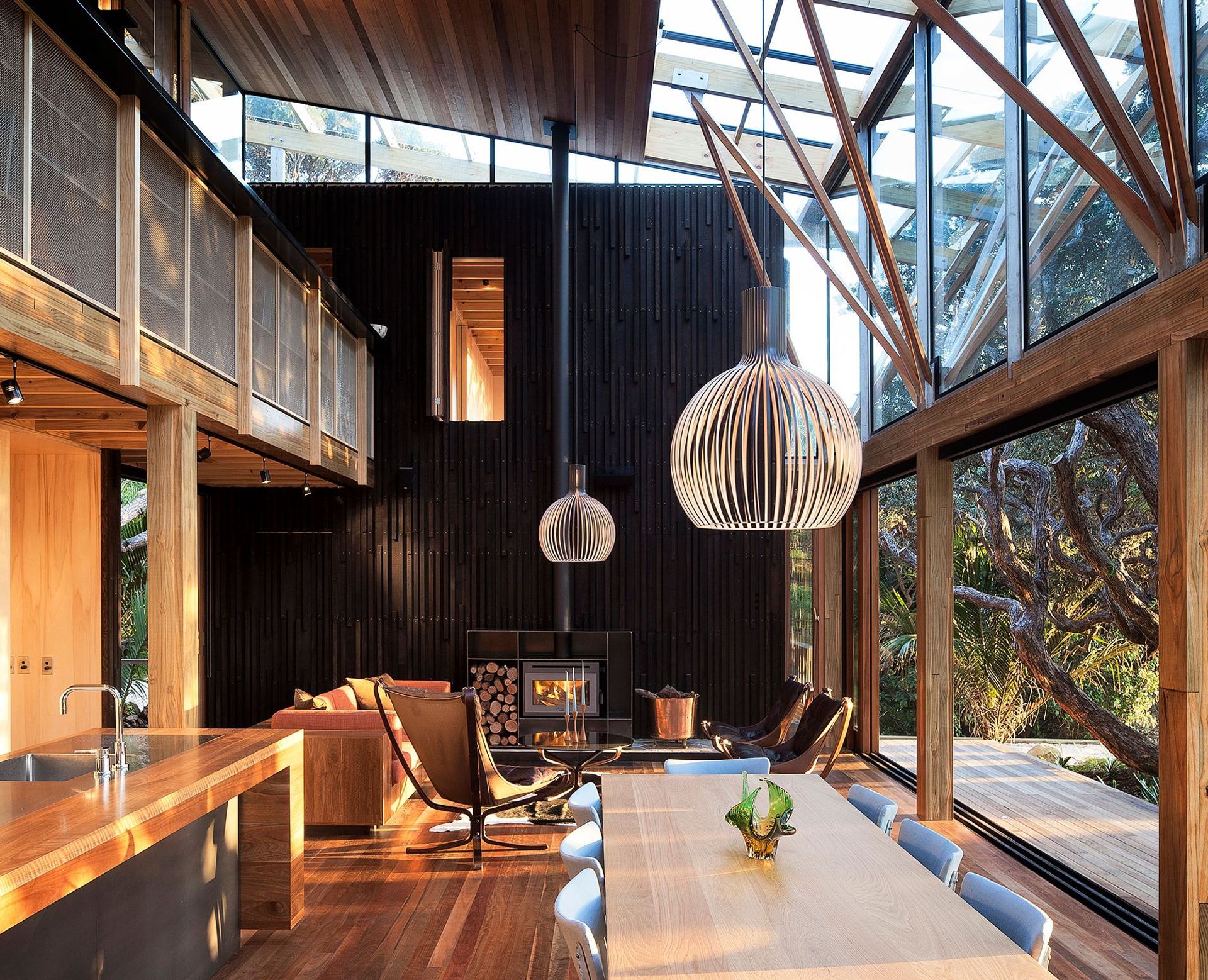
Simon Wilson / Herbst Architects
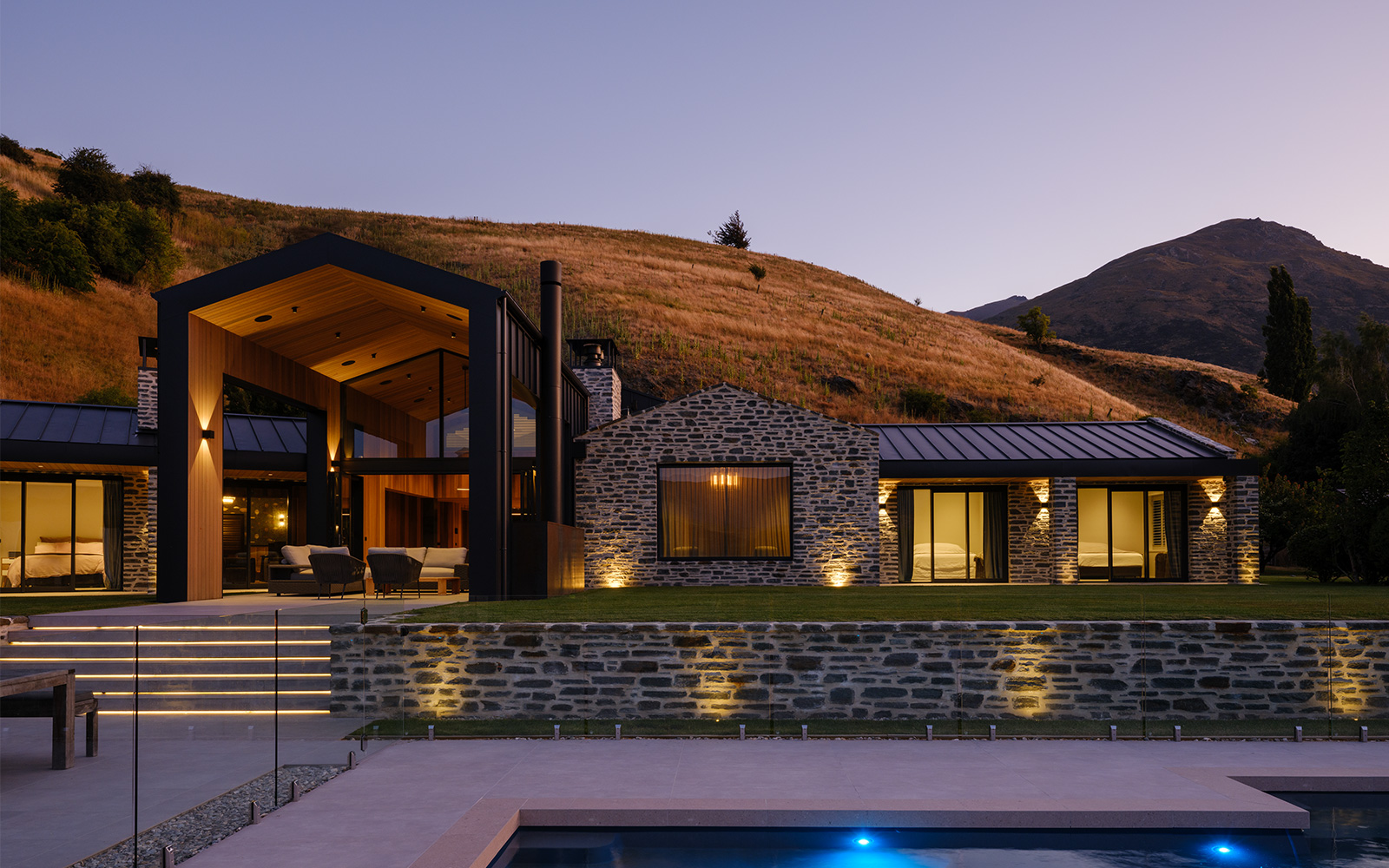
Architects are treating façades as curated, mixed-material compositions. We are seeing a distinct preference for resilient materials that age gracefully alongside the rugged New Zealand landscape: thermally modified timber cladding, robust architectural aluminium, and heavily grounded stone bases. Inside, European oak in warm honey tones, custom timber veneers, and textured plaster are layered to create spaces of deep acoustic sanctuary. As one prominent design principle states: sustainability and personalisation are no longer mere selling points; they are the absolute baseline.
02The Urban vs. Alpine Context
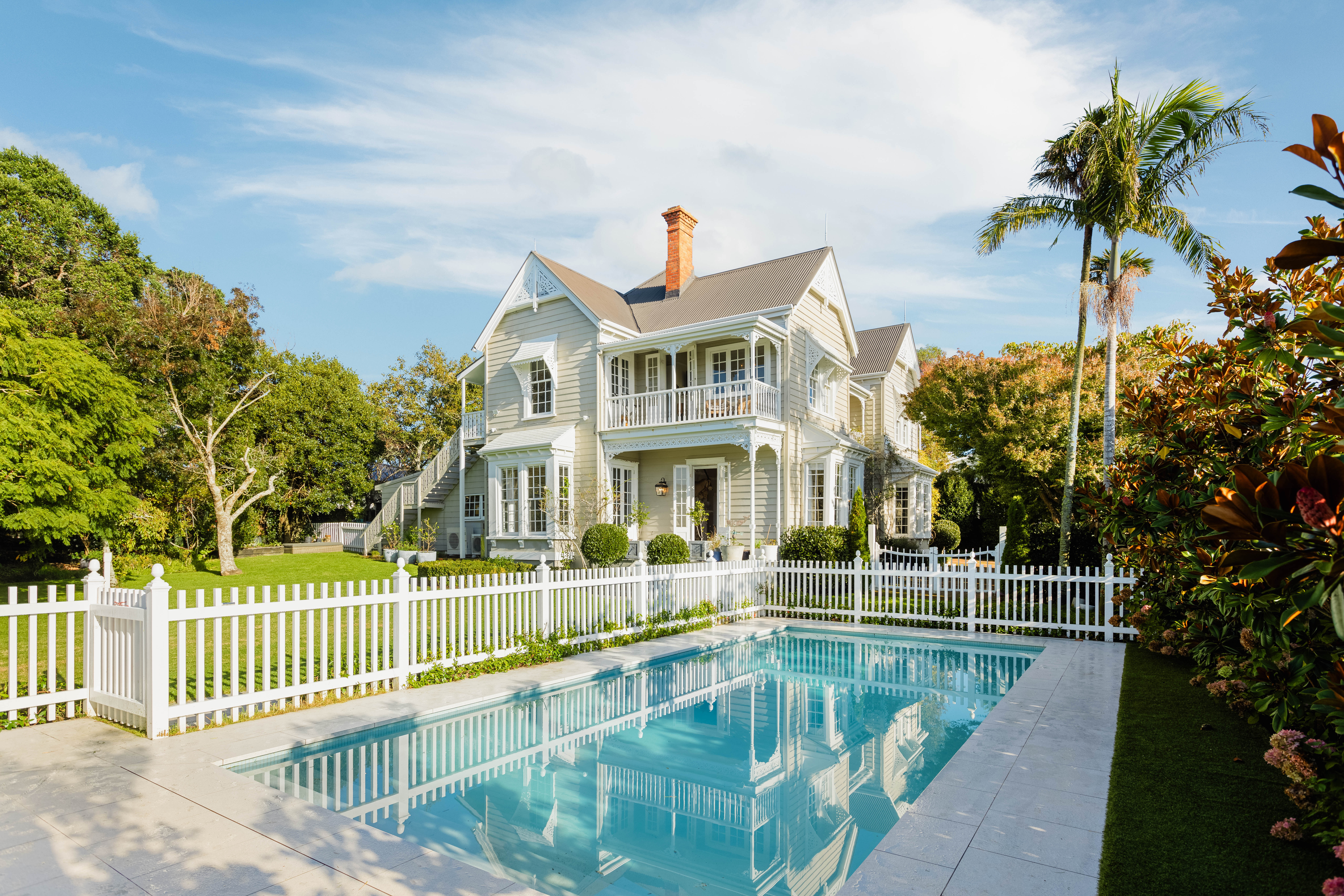
This architectural philosophy adapts uniquely across New Zealand’s distinct premium micro-markets. In Auckland’s leafy, high-density enclaves like Herne Bay and Remuera, architects are mastering 'thoughtful density'. Innovative urban builds are utilizing materials like structural clay blocks for thermal mass, creating elevated, treehouse-like sanctuaries that prioritize privacy and filtered light within a compact footprint. The objective is to design a retreat that feels entirely removed from the urban urgency humming just streets away.
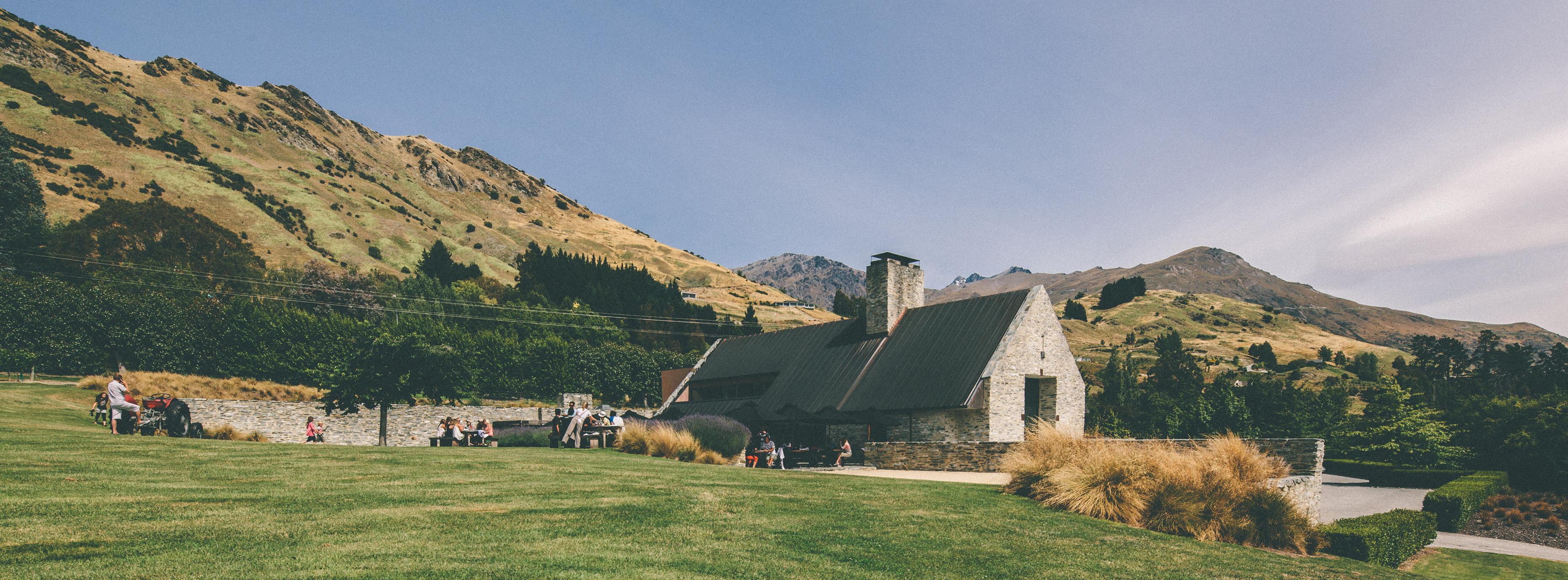
Conversely, in the super-prime alpine markets of Queenstown-Lakes and Wānaka—regions that have recently seen dramatic surges in high-end sales—the architecture must contend with extreme elemental forces. Here, luxury is defined by low-slung, heavily grounded pavilion structures. Dark, recessive exterior palettes allow the homes to disappear into the dramatic mountain topography, while internally, warm, rich timber linings provide a profound sense of enclosure and protection against howling southerlies. The architecture here acts as a sophisticated viewing platform for the raw, cinematic beauty of the Southern Alps.
03Biophilic Design as a Structural Imperative
The concept of wellness has transcended the inclusion of a rudimentary home gym. Premium buyers now view their residences as holistic lifestyle ecosystems designed to actively foster physical and emotional well-being. Consequently, biophilic design—the integration of nature into the built environment—is no longer an aesthetic afterthought. It is a foundational structural requirement.
Patterson Associates
Key architectural signatures of this movement include:
- Seamless spatial sequencing: Continuous natural material flows from indoor living zones to sheltered outdoor courtyards, blurring the boundary between the built form and native environment.
- Organic interior forms: A departure from rigid, aggressive lines in favour of softened curves, sweeping helical staircases, and wrapped joinery that feel inherently human.
- Wellness-centred zoning: The integration of spa-inspired bathing spaces, dedicated meditation lofts, and highly adaptive multi-use rooms.
04Sustainable Grandeur and Kaitiakitanga
Perhaps the most critical evolution in the 2026 luxury sector is the redefinition of environmental performance. High-end buyers are demanding absolute sustainability, intertwining the Māori principle of kaitiakitanga (guardianship) with cutting-edge residential technology. The pursuit of 'sustainable grandeur' requires off-grid resilience without the sacrifice of uncompromising comfort.
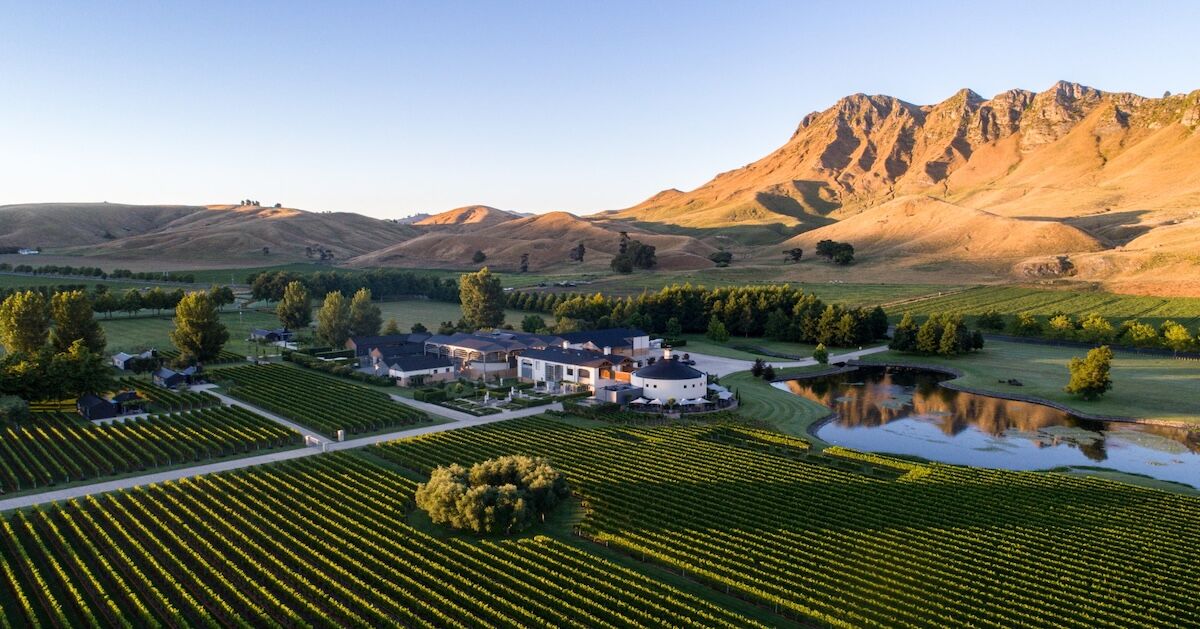
Recent award-winning coastal and alpine estates exemplify this ambition. We are seeing the implementation of low-carbon fly-ash concrete slabs, cross-laminated timber (CLT) structures, and natural wool insulation. Expansive, triple-glazed panoramic walls invite the landscape in while smart, AI-driven climate control systems monitor and predict thermal comfort seamlessly. For the astute investor, this climate-resilient architecture does more than reduce a carbon footprint—it fundamentally protects and enhances long-term capital value.
05The Investment Perspective
For top-tier real estate agents and portfolio investors, mastering this architectural pivot is crucial. The market data is clear: properties that successfully embody these principles command significant premiums and resist the volatility of broader economic cooling. With New Zealand remaining a global safe haven, high-net-worth international buyers entering the market actively seek out these resolved, grounding environments.

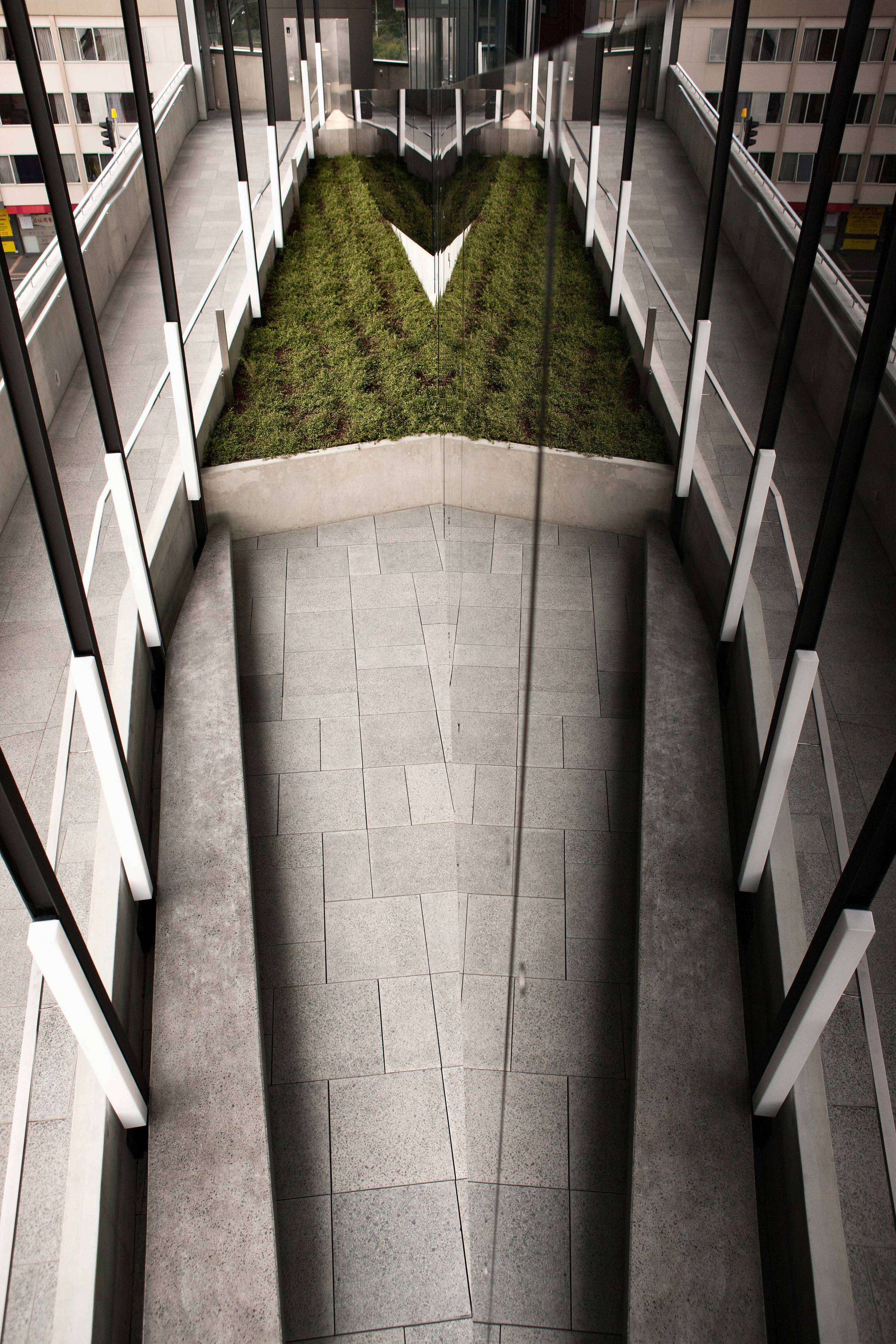
Simon Devitt / Studio Pacific Architecture

A $5 million or $10 million property must now offer an experience, an anchor, and a retreat. In 2026, true luxury whispers rather than shouts. It is found in the interplay of shadow and light across a bespoke timber wall, the profound silence of a triple-glazed living space, and the elegant integration of a home into its ancient, native landscape. For New Zealand’s most exclusive properties, the future of design is remarkably, and beautifully, human.
Discover more exceptional New Zealand residences and market insights at NZ Luxury Homes — nzluxuryhomes.nz.