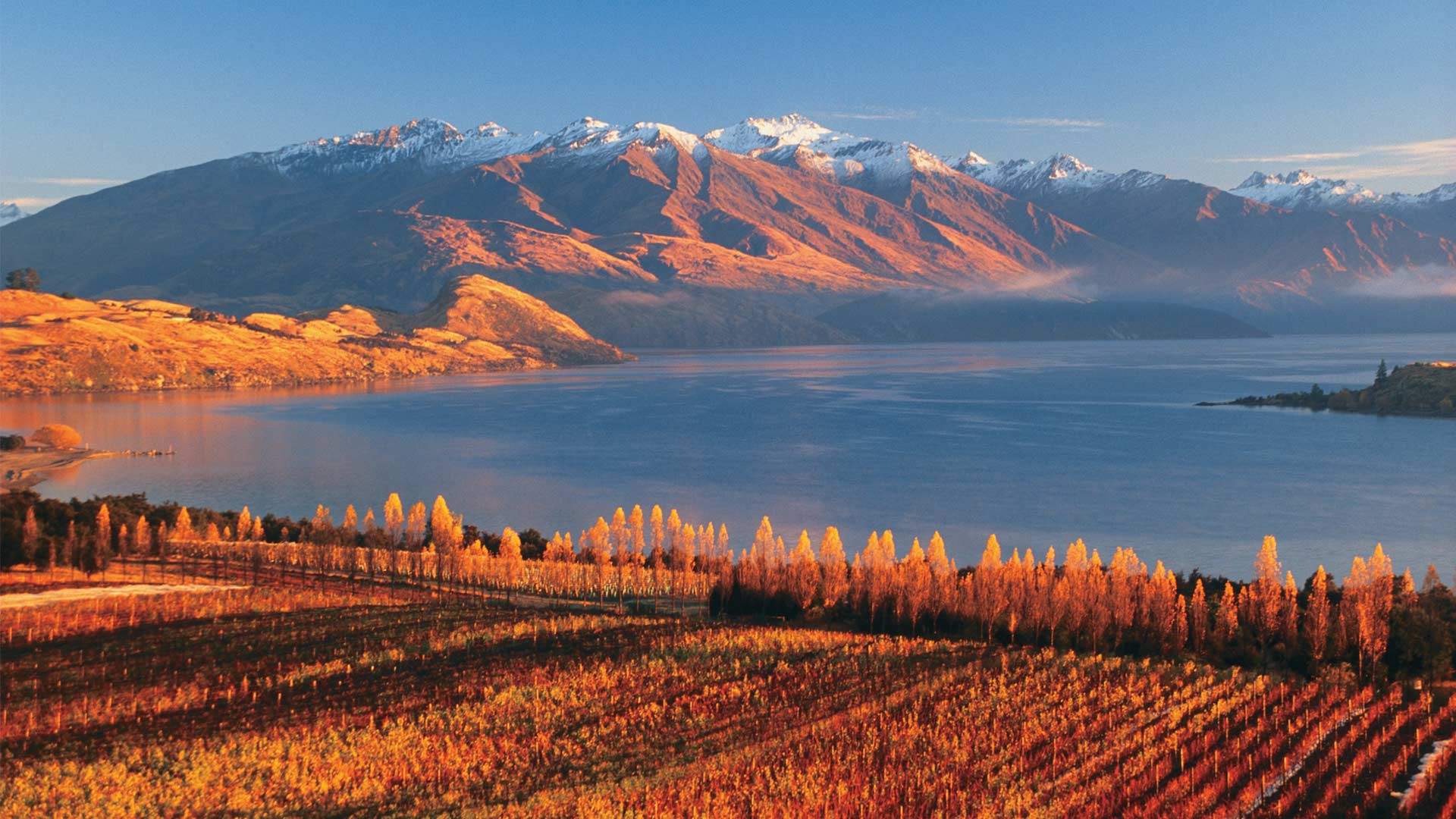
There is a photograph that appears more than any other when someone searches for New Zealand wine. Rows of vines descend a gentle hillside toward the shore of Lake Wānaka. The Southern Alps rise behind the water, snow-capped and specific, their reflection catching in the lake's surface. In the foreground, the vines are ordered and ancient-looking — low to the ground, thick-trunked, the product of decades of growing in the same glacially derived schist soils above the same lake. The photograph appears in Decanter, in Lonely Planet, in Instagram feeds across every continent. It is always Rippon.
- Rippon Vineyard has been managed by the Mills family since 1912, making it a pioneer in the Central Otago wine region.
- The estate utilizes strict biodynamic farming practices to create wines that reflect the specific mineral complexity of its volcanic schist site.
- The cellar door experience is strictly by appointment only, ensuring an intimate tasting environment for no more than 12 guests per session.
- Rippon produces six distinct varietals, ranging from their flagship Mature Vine Pinot Noir to the rare New Zealand Osteiner.
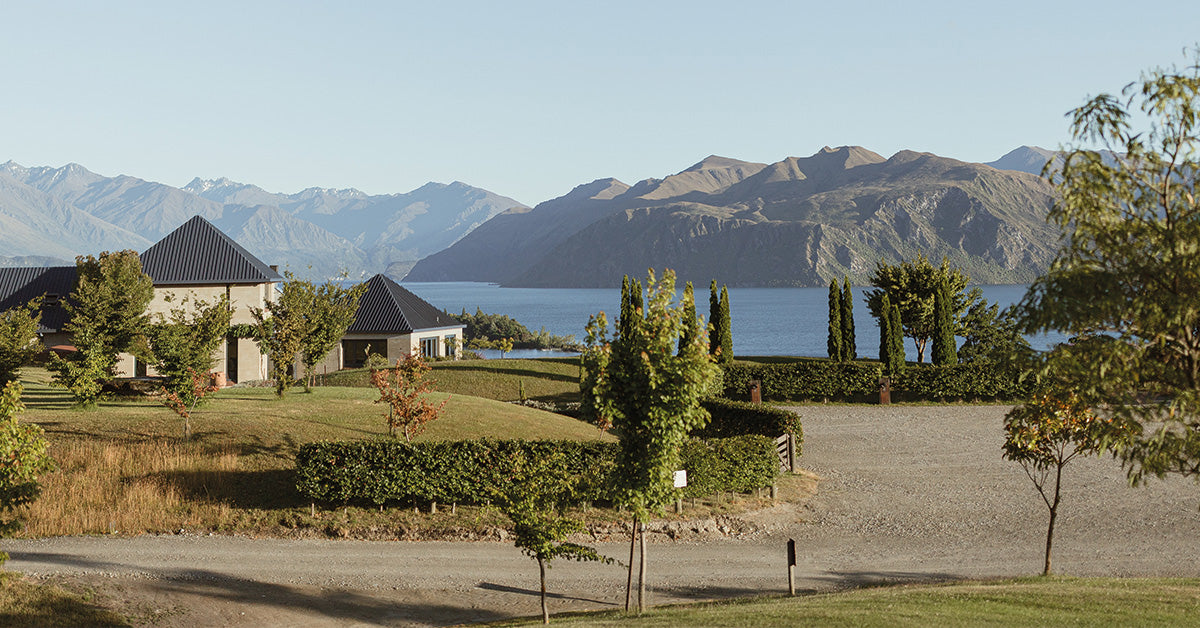
Rippon Vineyard sits on Wānaka-Mt Aspiring Road, four kilometres from Wānaka township, on land the Mills family has held since 1912. The first vines were planted in the early 1970s by Lois and Rolfe Mills — pioneers of the Central Otago wine industry in an era when planting Vitis vinifera this far south was considered, at best, optimistic. What they found in the schist and glacial gravels above Lake Wānaka was something that the four generations of the Mills family who have managed this land since have spent five decades confirming: one of the most distinctive wine-growing sites in New Zealand.
Rippon is farmed biodynamically. It produces six main varietals — Pinot Noir, Riesling, Sauvignon Blanc, Gewürztraminer, Gamay, and Osteiner. It is appointment-only, limited to 12 people per session, and described by Decanter's Central Otago travel guide as having one of the most stunning vineyard vistas in the region — if not the world, with vines that spill down a hillside to Lake Wānaka, overlooked by craggy peaks.
01The Site: An Ancient Volcanic Ejection Cone Above a Glacial Lake
Rippon's land is geologically specific in a way that shapes everything that grows on it. The vineyard sits on an ancient volcanic ejection cone of schist gravels — a formation that produces the free-draining, low-fertility soils that Central Otago is known for, but with a particular depth and complexity of mineral character that reflects the site's volcanic origin rather than the alluvial river gravels of the Gimblett Gravels or the clay-rich Bannockburn slopes.
Hazel Nasta, Rippon's cellar door manager, described the site's conditions to Decanter in March 2026: the mountains are key — they're a wall to weather from the west, giving the vineyard a dry, stable, continental climate with hot days and cold nights. Central Otago sits on free-draining schists, so the vines put all their energy into the fruit, producing intense, vibrant grapes.
The lake itself plays a role. Lake Wānaka moderates the site's temperature through the growing season — the large body of water absorbs heat during the day and releases it at night, reducing the risk of spring frost and extending the ripening window into autumn. The result is grapes that ripen slowly and fully, developing flavour concentration without losing the acidity that makes Rippon's wines worth cellaring.
The vines are mature by New Zealand standards — the oldest blocks date from the early 1970s, making them among the oldest in Central Otago. Vine age, in the hands of biodynamic farmers who have never interrupted the root system with chemical intervention, produces something that younger plantings cannot: wines that taste emphatically of where they came from. This is what Nasta means when she says the older vines are starting to express the terroir very clearly. Central Otago wine region guide
02Biodynamic Farming: Four Generations, One Philosophy
Rippon is certified biodynamic — and has been for long enough that the certification reflects a deep-rooted practice rather than a positioning choice. The Mills family's approach to the land is shaped by four generations of custodianship of the same parcel of earth: decisions are made in the context of what the vineyard has been and what it will become, not what the current vintage demands.
Biodynamic farming treats the vineyard as a self-sustaining ecosystem — composting, cover cropping, and the use of biodynamic preparations that support soil health without chemical intervention. The consequence for Rippon is wines that taste different in character from technically managed vineyards on similar soils: there is a wildness and a complexity to the aromatics, a texture to the palate, that reflects the microbiological life of the soil beneath the vines.
This is most apparent in the Mature Vine Pinot Noir — the wine Rippon describes as the voice of the vineyard. Decanter's tasting notes for the 2020 vintage describe it as subtle and graceful, miles away from the classical Central Otago exuberance and perfume, a gearshift in style. That departure from the regional template is precisely the point. Rippon is not trying to produce the most vivid or most immediately impressive expression of Central Otago Pinot Noir. It is trying to produce the most specific — the wine that could only have come from this site, these vines, this family.
03The Wines: Six Varietals, All Site-Specific
Rippon's six main varietals are each a distinct expression of the same piece of land. The range is unusual by New Zealand standards — most Central Otago producers concentrate on Pinot Noir and perhaps one or two supporting varieties. Rippon's breadth reflects the Mills family's broader intellectual curiosity about what the site can produce.
Rippon Mature Vine Pinot Noir — the flagship, from the oldest blocks on the property. Described by Decanter as subtle and graceful — a wine that rewards patience and reveals more across a meal than it gives on first pour. Suitable for cellaring ten or more years from vintage.
Rippon Pinot Noir — the entry point to the Rippon Pinot range, from younger vine blocks. More immediately accessible than the Mature Vine, with the characteristic Rippon wildness of aroma and the lightness of touch that the biodynamic soils produce.
Rippon Mature Vine Riesling — one of New Zealand's most consistently awarded Rieslings, from vines planted in the early 1970s. Decanter's 2024 tasting noted it as thoughtful and interesting, changing a lot in the glass and benefiting from decanting. Dry and structured rather than sweet — a style that challenges the expectation most New Zealand wine drinkers bring to Riesling.
Rippon Gewürztraminer — aromatic, textural, and the variety most directly influenced by the site's particular combination of heat accumulation and cool nights. The cold nights of the Wānaka basin slow aromatic development and preserve freshness in a variety that can become heavy in warmer climates.
Rippon Gamay — one of only a handful of Gamay producers in New Zealand. The variety that made Beaujolais famous finds a different expression at Rippon: lighter in colour, more mineral in character, and suited to the kind of drinking that most New Zealand red wines are not.
Rippon Osteiner — the rarest of the six, from vines planted 30 years ago. Rippon is, according to Decanter, the only producer of this German cross-variety in New Zealand. The wine makes for a fascinating study in what happens when an obscure varietal finds an environment that suits it precisely.

04The Cellar Door: Appointment-Only, Worth Planning Around
Rippon's cellar door policy is deliberate: appointments only, sessions limited to 12 people, commencing on the hour, sampling four to six wines over 30 to 45 minutes. Lonely Planet calls it surely the finest winery view in New Zealand. Reviews from visiting guests consistently note the combination of the view, the wines, and the genuine engagement of the team — described as driving the tasting through the history and community of the vineyard.
The cellar door building itself is Tuscan-styled — a small, warm space that sits low on the hillside and does not compete with the view. All seating faces the lake. Arrivals before the session begins are encouraged to walk the vineyard edge and understand the site before the wines are poured — a detail that reflects the Mills family's conviction that the wines make most sense when you have first understood the land they came from.
Booking opens within 28 days of the desired visit date on the Rippon website. Summer sessions — particularly January through March, when the lake is at its most vivid and the vines are full — should be booked as soon as the window opens. Winter visits, while quieter, offer the dramatic counterpoint of snow on the peaks above an ice-blue lake: a different and equally compelling view.
05Rippon and the Wānaka Property Market
Rippon sits on the western shores of Lake Wānaka — the lake's quieter and more scenic side, on the road toward Mount Aspiring National Park. The address is one of the finest in the Wānaka property corridor: lake frontage, mountain views, native bush behind, and the kind of spatial privacy that Wānaka's more commercial eastern shore cannot provide.
For buyers exploring residential and lifestyle property in Wānaka — a market that recorded just eight sales above NZD $5 million in 2025 despite significant active-investor demand — the western lake corridor represents the finest available positioning. Properties here are tightly held, rarely transacted, and share the same essential qualities that have made Rippon's land worth farming for four generations: lake outlook, mountain backdrop, and an agricultural heritage that gives them a depth of character no new development can replicate.
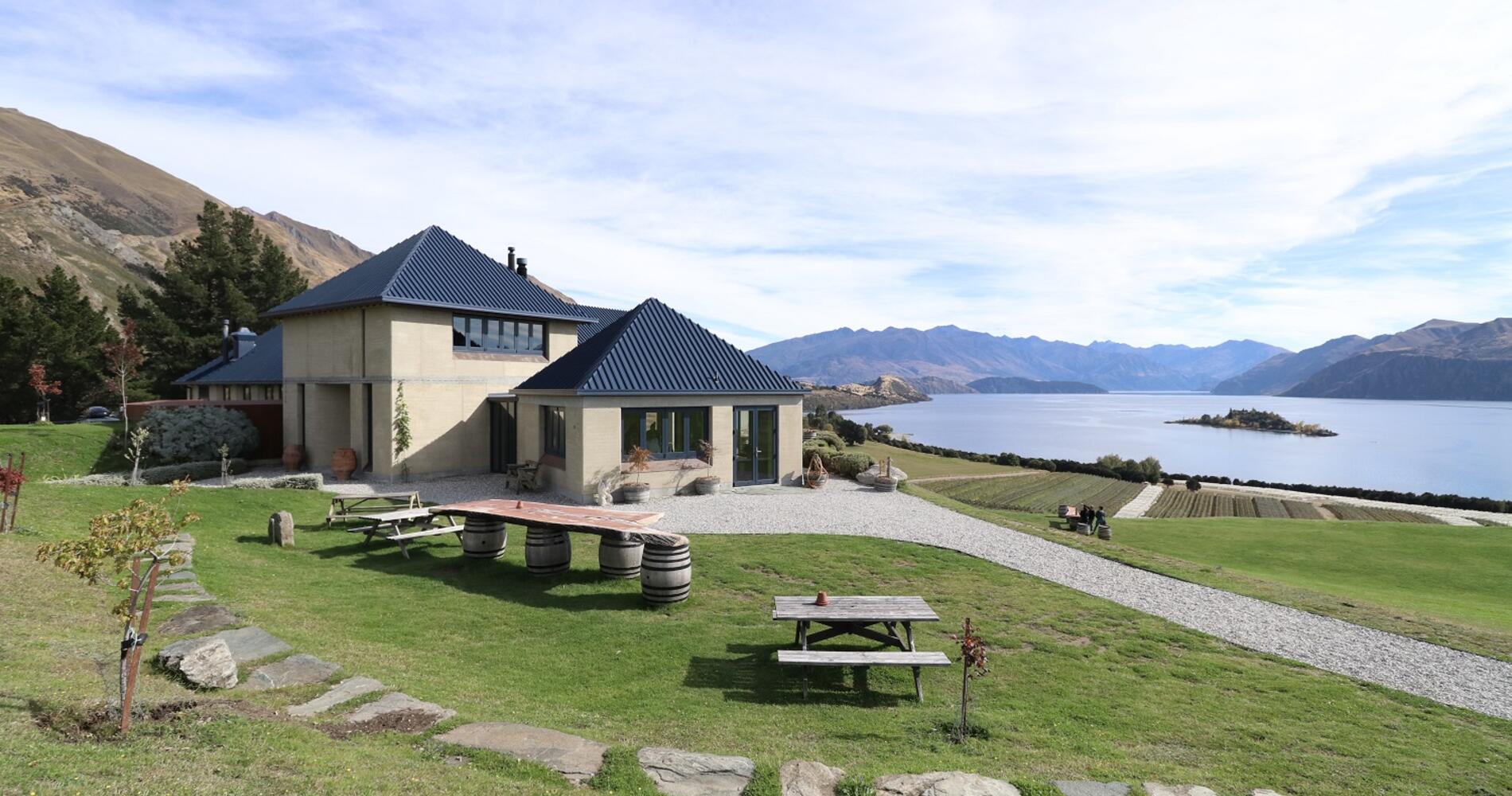
A visit to Rippon is, for a serious buyer exploring this market, one of the most direct ways to understand what the Wānaka basin's finest addresses feel like from the inside. The view from the cellar door — lake below, mountains above, ancient vines in the foreground — is the view from the terrace of the property they are looking for. Queenstown and Wanaka luxury property market 2026 Mahu Whenua luxury lodge Wanaka
06The View That Earns Its Reputation
Every famous view in wine country has been photographed so many times that the original experience has been partly obscured by the image. Rippon is no different. And yet, arriving at the cellar door for the first time and seeing the view in person — the vines, the lake, the mountains, the light doing exactly what the photographs show it doing — most visitors report the same thing: it is better than the picture.
That is what four generations of the same family farming the same piece of biodynamic land above the same glacial lake produces. The view has earned its reputation. The wines are earning theirs.
For those exploring residential and lifestyle property in the Wānaka corridor and wider Central Otago region, nzluxuryhomes.nz provides private access to the most considered holdings in this market.
Contact Rippon Vineyard: +64 3 443 8084 or visit rippon.co.nz to book a tasting session.