The Journal — NZ Luxury Homes
How to Position a Luxury Home for Sale in New Zealand
A considered guide to presenting, pricing, and curating premium real estate for the ultra-high-net-worth market.
Published 22 October 2026 · 7 min read
Category: Market Insights

To understand how to sell a luxury home in New Zealand, sellers must shift from standard marketing to editorial curation. Positioning a property above the $3 million threshold requires precise presentation, a compelling architectural narrative, and strategic exposure to qualified buyers through private networks and curated platforms.
Why does a premium property require an editorial approach?
The premium real estate market operates on an entirely different frequency than the broader housing sector. Buyers at the ultra-high-net-worth level are not simply looking for shelter. They are acquiring an asset that reflects their lifestyle, their values, and their appreciation for enduring design. Standard classified listings fail to capture the nuance required to engage this demographic. An editorial approach treats the property as a masterpiece, focusing on the architectural intent and the quality of the materials.
When a property is presented through an editorial lens, it commands attention from a highly discerning audience. This method relies on restraint rather than volume. It is about crafting a narrative that speaks to the history, the design pedigree, and the private nature of the estate. High-net-worth individuals respond to authenticity and precision. They expect a level of sophistication that mass-market portals simply cannot provide.
Curated platforms like NZ Luxury Homes are designed specifically to meet these expectations. By removing the noise of standard listings, we create an environment where rare properties can be appreciated without distraction. This focused environment ensures that your property is viewed by individuals who have the capacity and the desire to acquire premium real estate. It is a deliberate strategy to elevate the perception of the home.
The role of narrative and provenance in property curation
Every significant home has a story. The provenance of a property, including its architectural origins and its previous custodians, plays a critical role in its valuation. Buyers at this level are often collectors. They value a home designed by a noted architect or one that occupies a historically significant parcel of land. Articulating this narrative is a fundamental step in positioning the property.
The narrative must be factual, precise, and elegantly delivered. It should detail the selection of materials, the rationale behind the spatial flow, and the way the home interacts with its environment. This is not about listing features. It is about explaining the considered decisions that make the property extraordinary. A well-crafted story builds an emotional connection, allowing the buyer to understand the true value of the estate.
Furthermore, the narrative extends to the lifestyle the property affords. Whether it is the proximity to private aviation facilities, the inclusion of a climate-controlled wine cellar, or the absolute privacy of the grounds, these elements must be woven into the presentation. For those looking to attract global capital, understanding the international buyers market is essential. These buyers rely heavily on the written and visual narrative to make informed decisions from afar.
How do presentation and photography influence market value?
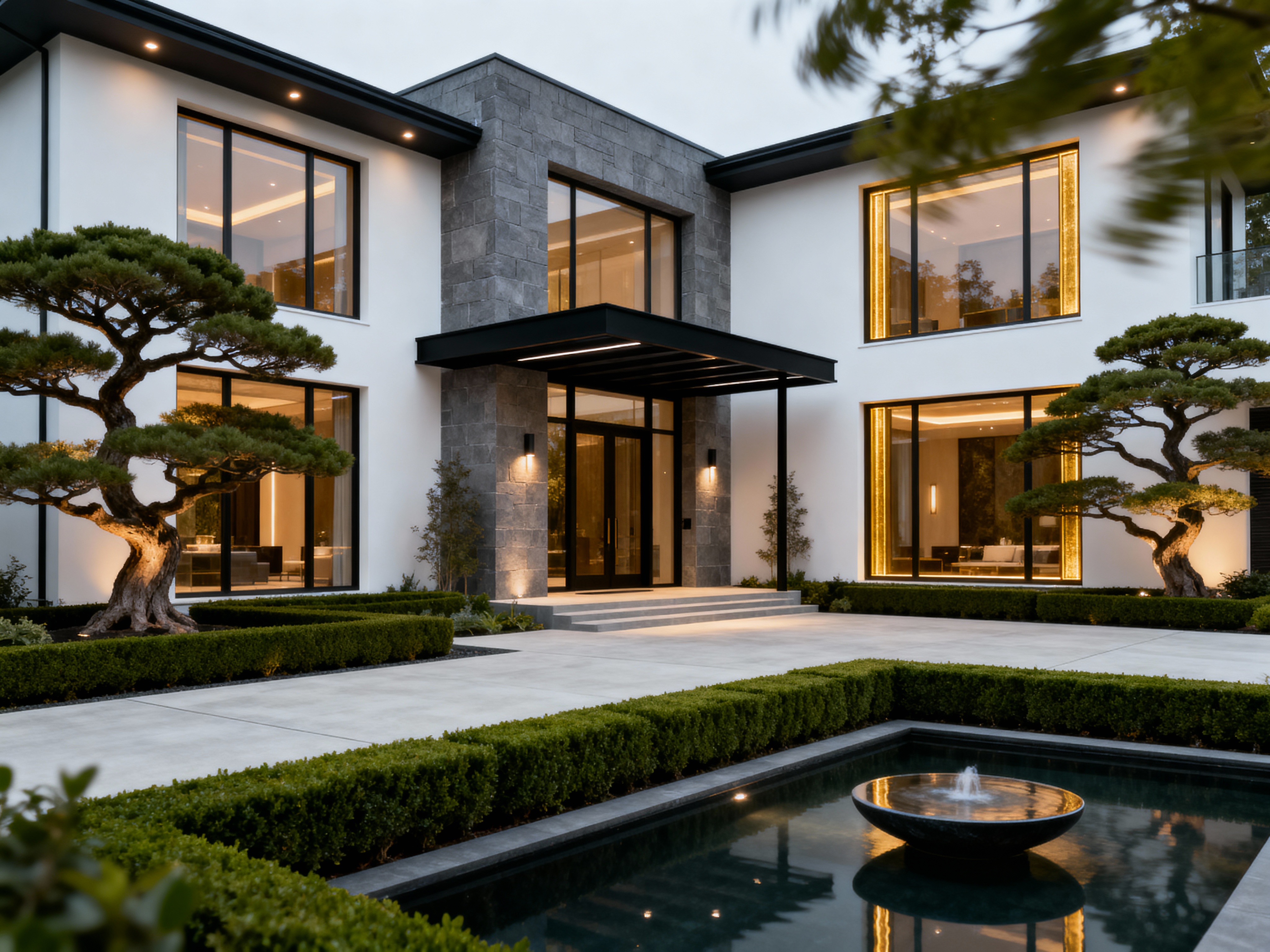
Visual presentation is the most critical touchpoint in the marketing of a premium home. The photography must be architectural in its quality, capturing the scale, the light, and the texture of the property. Standard real estate photography is insufficient. The imagery must be curated to highlight the most considered aspects of the home, from the joinery details to the landscaping.
Staging, or rather, interior curation, is equally important. The spaces must feel sophisticated but accessible, allowing potential buyers to project their own lives into the home. This often requires the removal of personal artifacts and the introduction of high-quality, understated furnishings. The goal is to create an environment that feels both aspirational and grounded. Restraint is the luxury signal here.
Video content and immersive digital experiences are now baseline expectations. However, these tools must be executed with the same level of precision as the still photography. A cinematic approach that focuses on the flow of the home and its relationship with the surrounding landscape is highly effective. When executed correctly, this level of presentation directly influences the perceived value and, ultimately, the final transaction price.
Selecting the most considered sales method
Choosing the correct sales method is a strategic decision that depends on the specific attributes of the property and the current market dynamics. In the premium sector, the traditional auction is often replaced by more discreet methods. Tender and deadline private treaty are highly effective for rare properties, as they allow buyers to submit confidential offers. This protects the privacy of both the buyer and the seller.
Negotiation by private treaty is another common approach for estates with a highly specific target audience. This method allows for a more unhurried dialogue between the parties. It provides the time necessary for complex due diligence, which is often required for properties involving significant landholdings or intricate architectural features. The focus remains on achieving the right outcome rather than forcing a rapid conclusion.
Off-market transactions are also increasingly prevalent at the top end of the market. Many ultra-high-net-worth individuals prefer to conduct their affairs with absolute discretion. Engaging with a platform that understands the nuances of private sales is vital. Sellers can explore options to list to sell through channels that prioritize confidentiality and targeted exposure to qualified networks.
Timing the market and reaching the right audience
The luxury market is less susceptible to the seasonal fluctuations that affect the broader real estate sector. However, timing still plays a role. Launching a property requires careful consideration of global economic indicators and local legislative changes. For instance, recent adjustments to the Overseas Investment Act have influenced buyer behavior. The Active Investor Plus visa changes have been noted as a pragmatic shift, reconnecting New Zealand with qualified global buyers according to recent market reports.
Reaching the right audience requires a targeted approach. It is not about maximizing the number of views. It is about maximizing the quality of the engagement. This is where the distinction between curated platforms and mass portals becomes evident. Mass portals generate high traffic, but the conversion rate for premium properties is often low. Curated platforms filter the audience, ensuring that the property is presented to individuals with genuine intent and capacity.
The domestic market also holds significant strength. There is a substantial demographic of ultra-high-net-worth individuals residing within New Zealand who actively seek premium real estate. As noted by industry observers, there are many wealthy New Zealanders who compete directly with international capital for the most desirable homes, a trend highlighted in recent coverage of the luxury sector. Engaging this local audience requires a sophisticated understanding of their preferences and their networks.
Curating your property for the next custodian
Selling a significant home is ultimately an act of curation. It is about preparing the property for its next custodian. This mindset shifts the process from a simple transaction to a thoughtful transition of ownership. Sellers should approach the preparation of their home with the same care and attention to detail that they applied when they first acquired or built it. Every element, from the landscaping to the documentation of the home's systems, should be in perfect order.
Partnering with the right professionals is essential. This includes not only the real estate agent but also architectural photographers, interior curators, and legal advisors who specialize in high-value transactions. These experts understand the specific requirements of the premium market and can provide the guidance necessary to navigate the process smoothly. Their collective expertise ensures that the property is positioned correctly from the outset.
By choosing to present your home on nzluxuryhomes.nz, you align your property with a brand that understands the value of restraint and precision. We invite you to explore our resources in The Journal to further understand the nuances of the premium market. Preparing a luxury home for sale is a detailed endeavor, but when executed with considered intent, it yields exceptional results.
Disclaimer: The information provided in this article is for general informational purposes only and does not constitute financial, investment, or legal advice. Market conditions and regulations, including foreign investment rules, are subject to change. Always consult with qualified professionals before making real estate decisions.
Frequently Asked Questions


Frequently Asked Questions
What is the most effective way to market a luxury home in New Zealand?
The most effective approach relies on editorial curation rather than standard classified advertising. This involves architectural-grade photography, a precise narrative detailing the property's provenance, and targeted exposure through private networks and curated platforms.
How do foreign buyer regulations impact the sale of premium properties?
Foreign investment in New Zealand real estate is regulated, but pathways exist for high-net-worth individuals. Recent changes, such as the Active Investor Plus visa, allow qualified global buyers to purchase homes above the $5 million threshold, expanding the potential buyer pool for premium estates.
Why should I avoid mass-market real estate portals for a $3M+ home?
Mass-market portals are designed for volume and often dilute the perceived value of a premium property. Curated platforms provide a focused, sophisticated environment that appeals directly to ultra-high-net-worth individuals, ensuring your home is viewed by a qualified audience.
What sales method is best for a high-value architectural home?
Tender, deadline private treaty, or discreet off-market negotiations are often the most considered methods. These approaches protect the privacy of both parties and allow the necessary time for complex due diligence without the public pressure of an auction.
How important is staging when selling a luxury property?
Interior curation is critical in the premium sector. It requires a restrained, sophisticated approach that highlights the architectural merits of the home while allowing potential buyers to envision their own lifestyle within the space.