The Journal — NZ Luxury Homes
Cloudy Bay: The Winery That Put New Zealand Wine on the World Map
Published 28 August 2026 · 13 min read
Category: Wineries & Vineyards
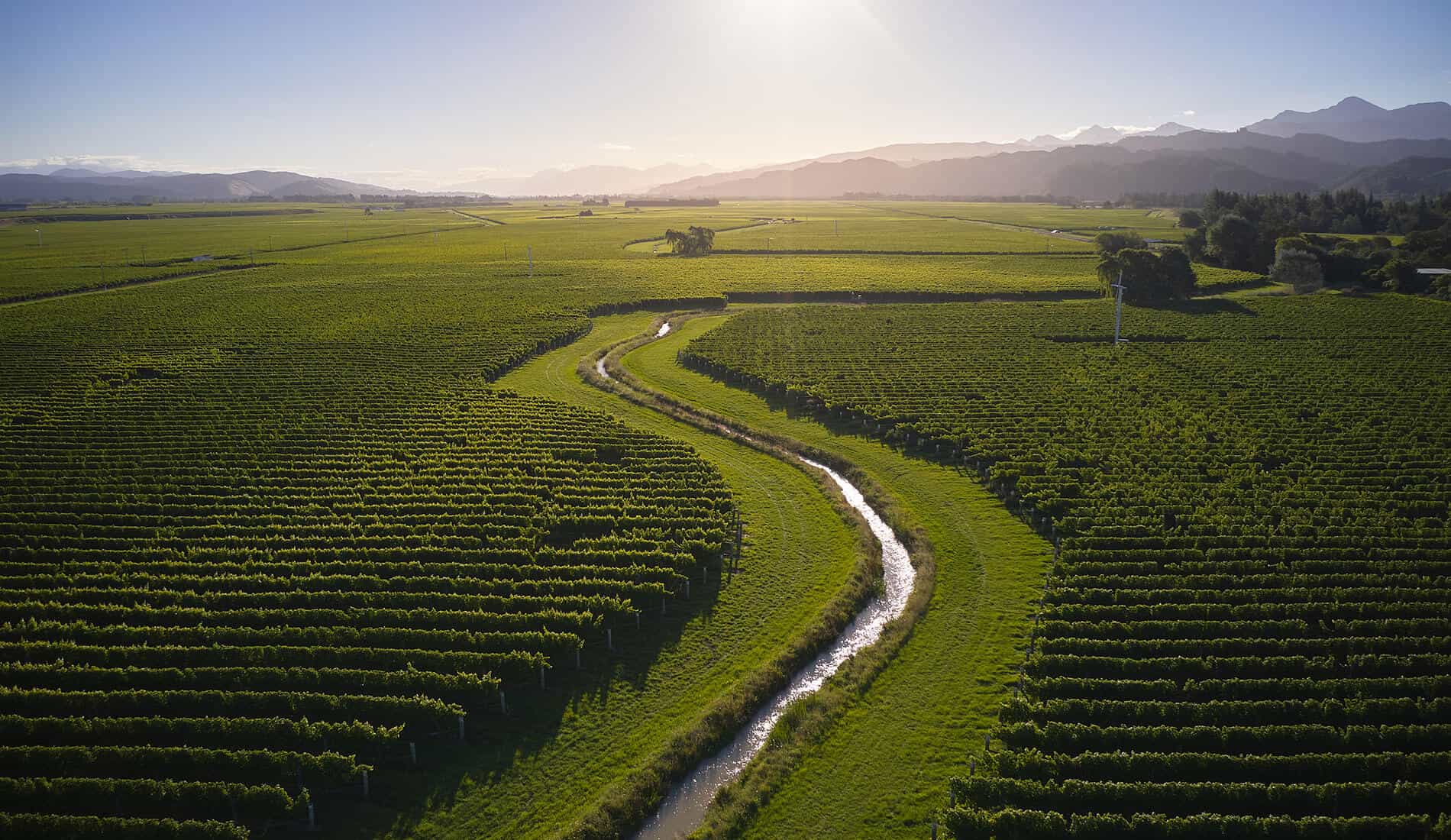
Established in 1985, Cloudy Bay transformed New Zealand’s global wine reputation by defining the Marlborough Sauvignon Blanc category. Now part of the LVMH portfolio, the winery continues to set industry standards through its commitment to low-yield viticulture, precise winemaking, and high-end hospitality across both its Marlborough and Central Otago estates.
In 1985, a winemaker from Western Australia took out a high-interest bank loan to buy vineyard land in a valley that most of the wine world had never heard of. David Hohnen, already the founder of Cape Mentelle in Margaret River, had visited Marlborough and found what he was looking for: stony free-draining soils, a warm dry maritime climate, and a growing season unlike anything available in the Old World. He convinced Kevin Judd to join him as founding winemaker. They produced their first vintage of Sauvignon Blanc in a borrowed facility in Gisborne, because the winery on Jackson's Road did not yet exist. When the wine reached export markets in the United Kingdom and the United States, the response was immediate and decisive.
The 1985 Cloudy Bay Sauvignon Blanc is the single most influential bottle in New Zealand wine history. It defined what Marlborough could produce, established a global audience for New Zealand white wine that had not existed, and launched a category — cool-climate, high-aromatic Sauvignon Blanc — that would go on to shape the wine world's expectations for an entire region. Forty years later, Cloudy Bay is an LVMH brand, operating from 163 estate parcels across Marlborough and two organic vineyards in Central Otago, and is described by Qantas Travel Insider as the George Clooney of wineries. The description is apt: globally recognisable, reliably excellent, and in person rather more interesting than the fame suggests.
The 40th Anniversary: Forty Years of Bold Wines from Beautiful Places
In 2025, Cloudy Bay celebrated its 40th anniversary — four decades of winemaking from a founding philosophy that has never fundamentally changed: make only wine that is unmistakably from New Zealand, and never let commercial scale compromise the quality of what goes in the bottle. The anniversary was an occasion for reflection rather than celebration, and the reflection yields something worth stating clearly: no winery in New Zealand has had a greater impact on the country's global wine reputation than Cloudy Bay.
It is a reputation built on a single variety — Sauvignon Blanc — but sustained by a portfolio that goes considerably further. Cloudy Bay has been in the sparkling wine business since 1987, when Pelorus (méthode traditionnelle) was first released. Te Koko, the wild-yeast barrel-fermented Sauvignon Blanc, launched in 2000 and changed how the world saw the region's signature grape. And Te Wāhi — the single Central Otago Pinot Noir from two organic southern vineyards — represents Cloudy Bay's most serious and deliberate expansion of the brand's ambition beyond what Marlborough can offer.
The Wines: A Portfolio of Five
Sauvignon Blanc is where Cloudy Bay begins and, for most visitors to the cellar door, where the conversation still centres. The 2025 vintage — fresh, expressive, and perfectly poised — was described by Decanter as a fragrant, juicy wine with aromas of grapefruit, sweet lime, and jalapeño. Cloudy Bay's Viticulture Director John Flanagan described the 2024 vintage as having hot, dry summer months as close to perfect as we could possibly hope for — grapes ripened under ideal conditions at optimum timing to maximise flavour and concentration. The flagship Sauvignon Blanc is produced from 163 estate parcels and 65 grower blocks, with yields kept approximately 30 percent below the Marlborough regional average. The result is a wine of more concentration and precision than its accessible price point suggests.
Te Koko is the wine that Cloudy Bay's critics cite most often as evidence of the winery's genuine ambition. Launched in 2000, it is a fundamentally different approach to the same variety: wild-yeast fermentation in old French oak barrels, grapes from heritage vines with lower yields, and a maturation period that produces a wine of texture, complexity, and ageing potential that the standard Sauvignon Blanc expressly does not seek. The name references Te Koko o Kupe — the original Māori name for Cloudy Bay itself, meaning the oyster dredge of Kupe, a legend of Marlborough's natural abundance. Where the standard Sauvignon Blanc is the accessible, expressive face of Marlborough, Te Koko is the face that rewards those who look harder.
Te Wāhi is Cloudy Bay's Central Otago Pinot Noir — produced from two organic vineyards in the Pisa sub-region, first released from the 2010 vintage. The wine is described on the Cloudy Bay website as the epitome of New Zealand fine wine, the culmination of Cloudy Bay's expertise and Central Otago's terroir. The Travelling Squid reviewer, tasting the Te Wāhi at the Marlborough cellar door, described it as really great, with great body, spice and fruity flavours — and bought two bottles. It is age-worthy for up to eight years from vintage.
Pelorus is the sparkling wine that most New Zealand producers did not know they should make until Cloudy Bay made it. A méthode traditionnelle from Marlborough Pinot Noir and Chardonnay, it has been produced since 1987 and remains the most recognised New Zealand sparkling wine globally. The Non-Vintage expression is the most versatile; the Vintage is more structured and more age-worthy.
Chardonnay completes the portfolio — Marlborough fruit, varying between stainless steel and barrel-fermented styles depending on vintage, and consistently the Cloudy Bay wine that most surprises visitors who arrive expecting only Sauvignon Blanc. Marlborough wine region guide
The Marlborough Cellar Door: Jackson's Road, Wairau Valley
The Cloudy Bay cellar door on Jackson's Road in the Wairau Valley is the original home of the brand — the winery where every Marlborough wine in the portfolio is made, surrounded by the Richmond Ranges that inspired the label's design. The cellar door is open Thursday to Monday, 10am to 4pm, with bookings recommended. Standard tastings run approximately 45 minutes and range between NZD $30 and $45 for a flight of wines across the full portfolio.
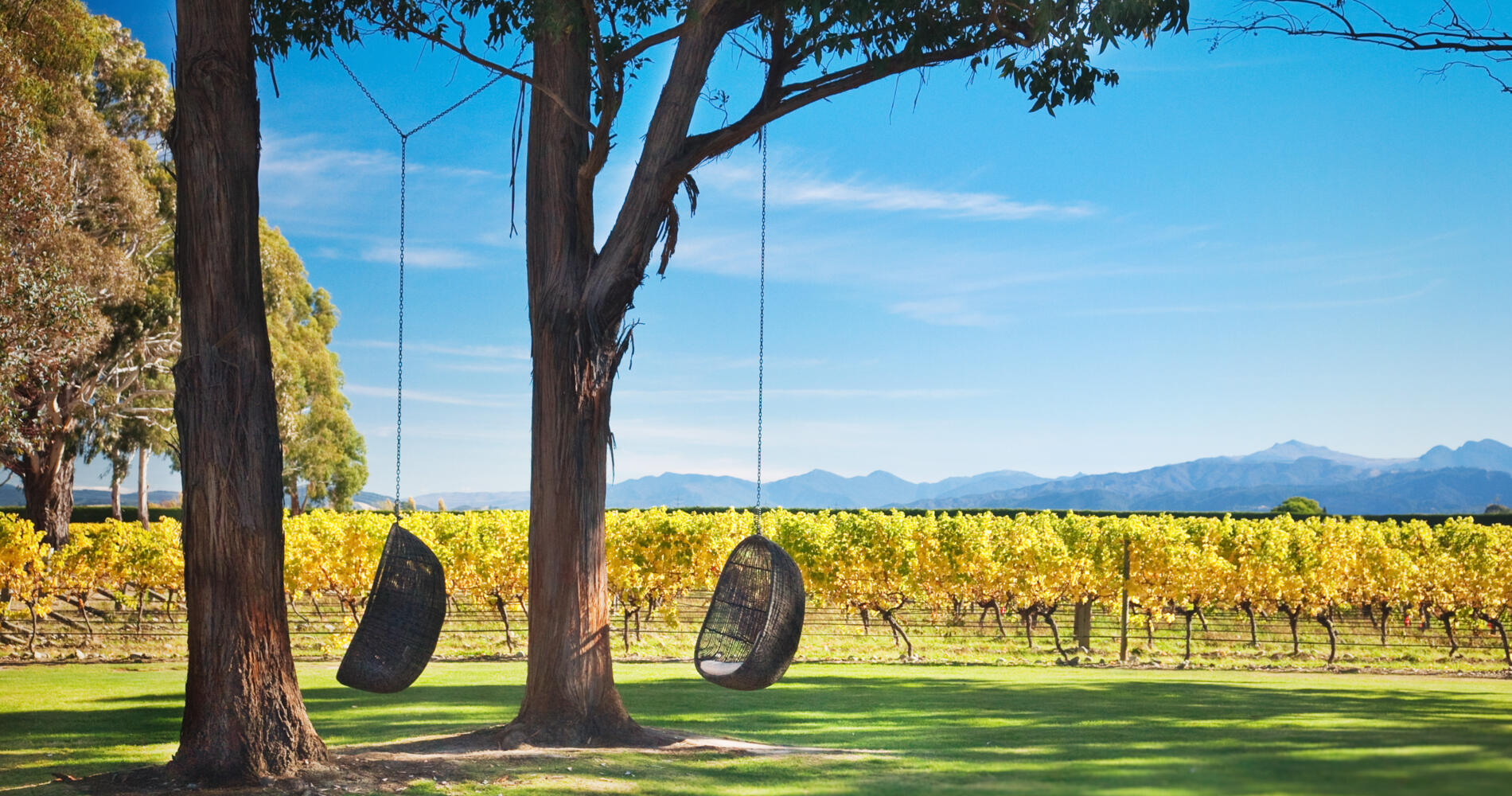
The cellar door's character shifts with the season. In winter, it is warm and cosy inside, with cheese and charcuterie platters accompanying the tasting and the Richmond Ranges visible through the windows in the clear Marlborough air. In summer, the doors open onto one of the most visited cellar door gardens in New Zealand wine country — hanging egg chairs, oversized bean bags and outdoor lounges, the Jack's Raw Bar serving freshly shucked Marlborough oysters and seasonal produce, and the estate vineyard and mountain ranges as the backdrop.
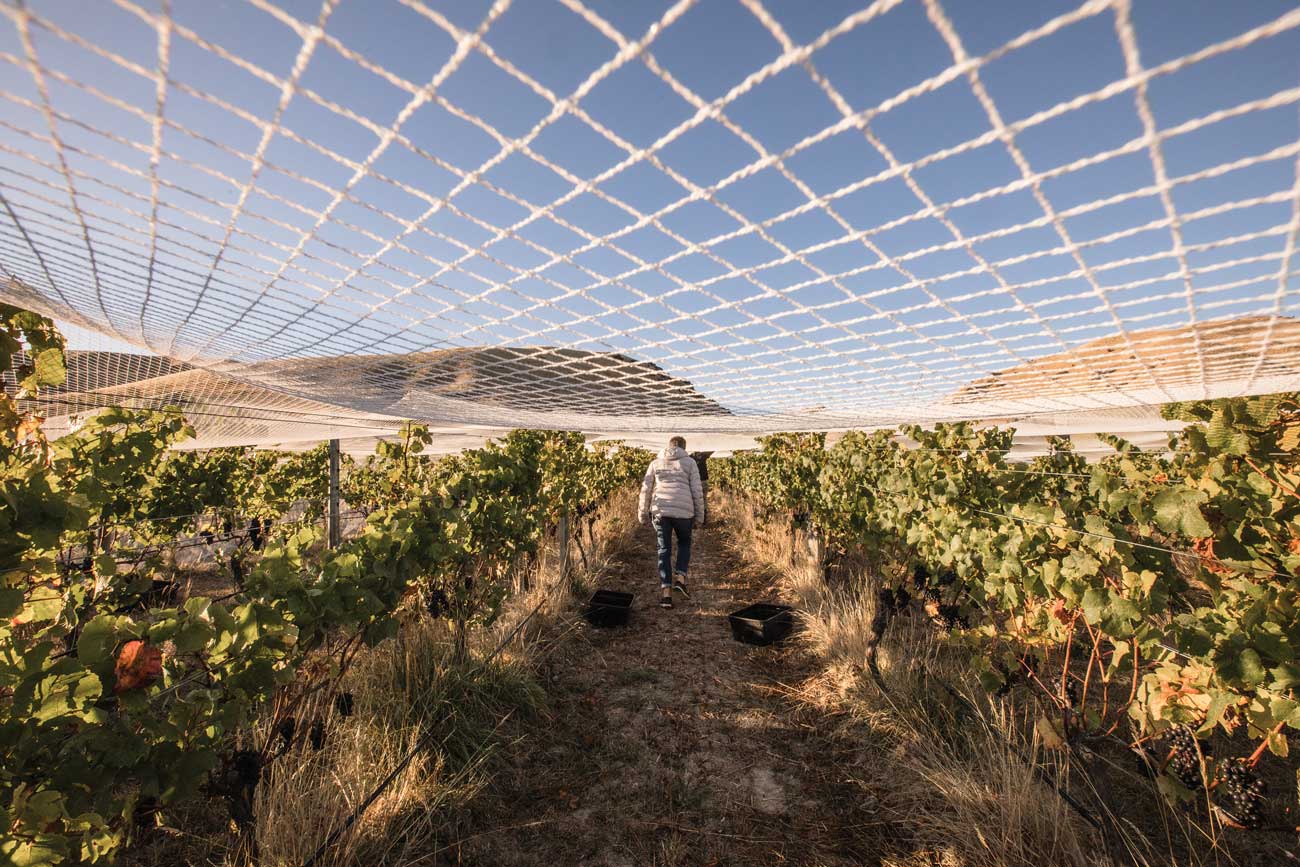
Image: Lisa Duncan Photography via Decanter — The Marlborough vineyard environment that produces Cloudy Bay's fruit across three distinct sub-regions
The Jack's Raw Bar, open over the summer months, is the most characterful hospitality experience at the cellar door. Fresh Marlborough oysters — the region's most celebrated seafood — alongside Cloudy Bay clams, seasonal plates from local producers, and the full Cloudy Bay wine range make it the standard against which other Marlborough cellar door food programmes are measured.
The First Taste Tour is the Cloudy Bay experience most suited to serious wine visitors — a private guided tour by vehicle through the Wairau Valley and Southern Valleys vineyards, with insight into specific sites and grape varieties, a vineyard stop with sparkling wine, a visit to the Founders Cellar, and a hosted tasting at the cellar door. Available seven days a week for groups of two to five. Bookings through the cellar door team.
The Central Otago Cellar Door: The Shed at Northburn Station
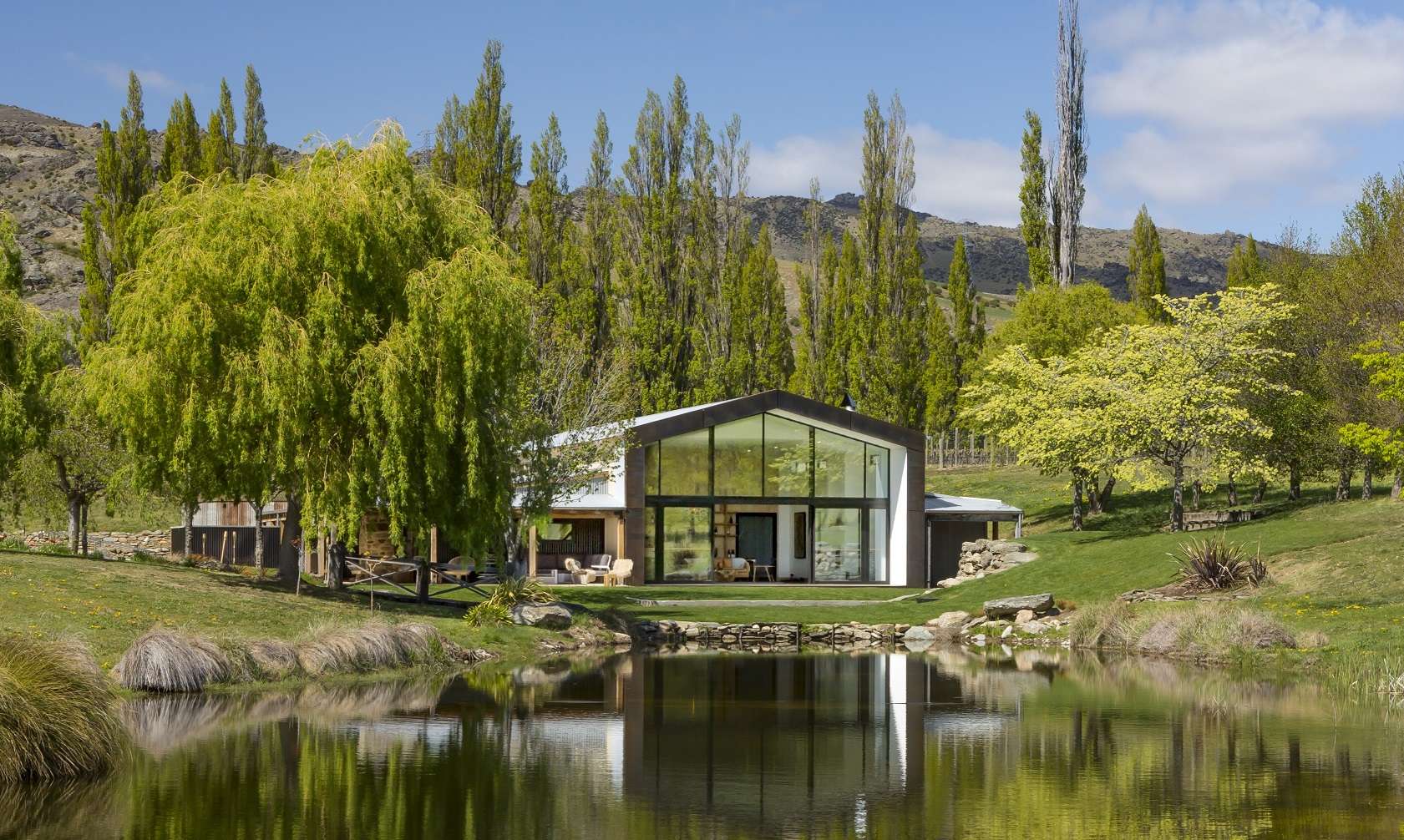
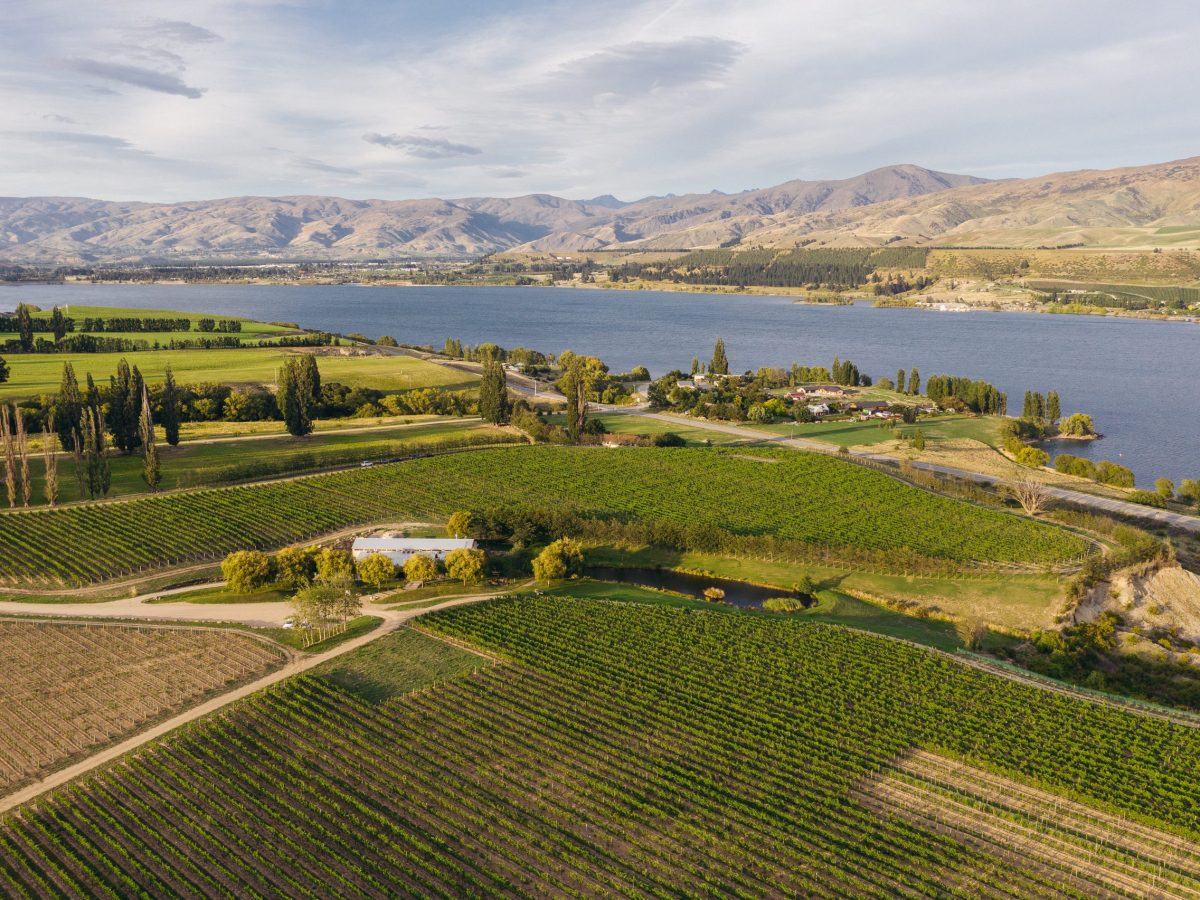
In 2009, Cloudy Bay began exploring Central Otago. By 2014, it had acquired its own vineyards at Northburn Station in the Cromwell Basin — the warm sub-region adjacent to the Pisa Range, known for producing Pinot Noir of concentration and warmth. The cellar door at Northburn is called The Shed — a lakefront property on Lake Dunstan with views across the water to the Pisa Range that makes the Marlborough cellar door's mountain views feel like context rather than centrepiece.
The Shed operates Wednesday to Sunday, 11am to 5pm, with bookings recommended. The full Cloudy Bay portfolio is available for tasting, with the Te Wāhi Central Otago Pinot Noir as the obvious focus. Vertical tastings of Te Wāhi across multiple vintages are available — an unusually generous offering for a winery of Cloudy Bay's scale, and the most complete way to understand how the two Northburn Station organic vineyards express themselves through different growing seasons.
A stay at The Shack — Cloudy Bay's self-contained boutique accommodation adjacent to the Marlborough cellar door — extends the cellar door experience into an overnight stay surrounded by the estate vineyard. Designed for couples and small groups, it provides the most direct form of wine country immersion available at the Cloudy Bay brand level.
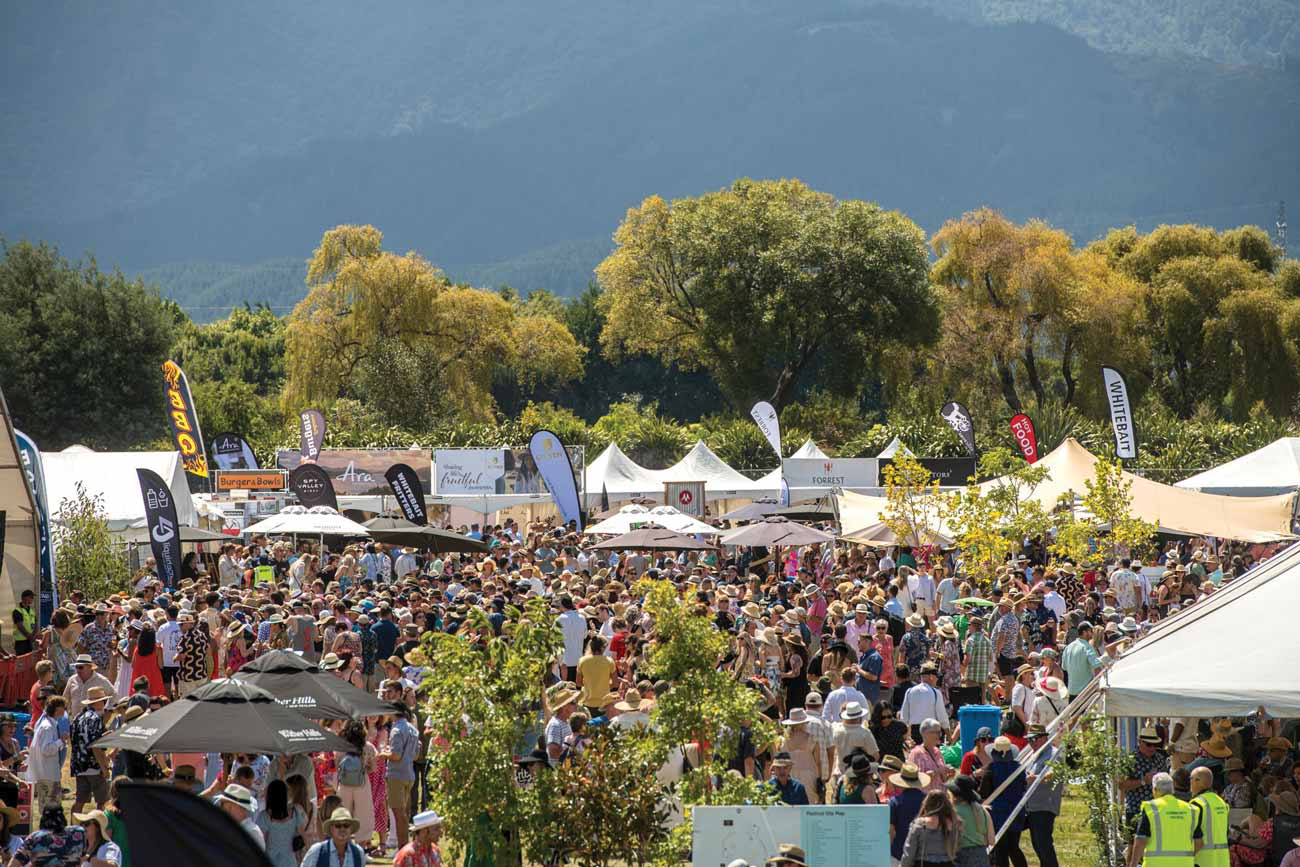
Image: Richard Briggs via Decanter — The Marlborough wine country landscape that Cloudy Bay has defined internationally for forty years
The LVMH Chapter: What Corporate Ownership Has and Has Not Changed
Veuve Clicquot took a controlling stake in Cloudy Bay in 1990 — five years after the first vintage, and at the point when the brand's international demand was already exceeding its ability to supply. By 2003, LVMH had acquired the remaining shares, placing Cloudy Bay alongside Krug, Dom Pérignon, Veuve Clicquot, and Château d'Yquem in the world's most prestigious wine portfolio.
The question that follows LVMH ownership of any wine brand is whether the quality has been preserved or diluted under commercial pressure. The Cloudy Bay answer, in 2026, is nuanced. The standard Sauvignon Blanc has been produced at significant scale — it accounts for the majority of the brand's global distribution — but Cloudy Bay's Decanter producer profile notes that the brand farms its own 163 parcels, keeps yields approximately 30 percent below the regional average, and retains winemaking decisions in Marlborough rather than in Paris. Kevin Judd's departure in 2009 to found Greywacke removed the founding winemaking philosophy's most individual voice, but the subsequent team has maintained standards that Decanter describes as meaning consumers will always see the highest quality wines emerge from Cloudy Bay.
Why Cloudy Bay Matters to the NZ Luxury Homes Audience
Cloudy Bay is present at virtually every luxury lodge, fine restaurant, and premium wine list in New Zealand. It is the wine that most international visitors encounter first when they arrive in New Zealand — at the Park Hyatt Auckland, at the Rosewood Cape Kidnappers dining room, at Blanket Bay's Great Room. Understanding Cloudy Bay is, in a meaningful sense, understanding what New Zealand wine is and where it came from.
For buyers exploring the Marlborough region as a residential and lifestyle destination — the top of the South Island, three hours from Christchurch, 40 minutes by air from Wellington, with the Marlborough Sounds to the north and the Kaikōura coast to the south — a visit to Cloudy Bay on Jackson's Road is the most efficient single way to understand the character of the region. The estate vineyard, the Richmond Ranges, the cellar door team's depth of knowledge about the specific parcels and the specific seasons: all of it, within 90 minutes, tells you what Marlborough is. Rosewood Cape Kidnappers Hawke's Bay Central Otago wine region guide
Frequently Asked Questions
Where is the Cloudy Bay cellar door in Marlborough?
Cloudy Bay's Marlborough cellar door is located at 230 Jacksons Road, Rapaura, Blenheim — in the Wairau Valley, approximately 8 kilometres northwest of Blenheim town centre. It is open Thursday to Monday, 10am to 4pm, closed Tuesdays and Wednesdays. Bookings are recommended and can be made through cloudybay.com.
Who founded Cloudy Bay and when?
Cloudy Bay was founded in 1985 by David Hohnen — the Australian winemaker who had previously founded Cape Mentelle in Western Australia's Margaret River — with Kevin Judd as founding winemaker. The winery was named after Cloudy Bay, the stretch of Marlborough coast named by Captain James Cook during his 1770 voyage to New Zealand.
Who owns Cloudy Bay now?
Cloudy Bay has been owned by LVMH (Moët Hennessy Louis Vuitton) since 2003, when Veuve Clicquot — which had held a controlling stake since 1990 — completed the acquisition. It sits in the LVMH wines and spirits portfolio alongside Krug, Dom Pérignon, Veuve Clicquot, and Château d'Yquem.
What is Te Koko and how does it differ from the standard Sauvignon Blanc?
Te Koko is Cloudy Bay's barrel-fermented, wild-yeast Sauvignon Blanc, launched in 2000. Where the standard Cloudy Bay Sauvignon Blanc is made in stainless steel for freshness and immediate aromatic expression, Te Koko is fermented on wild yeasts in old French oak barrels, using grapes from heritage vines, producing a wine of texture, complexity, and ageing potential. The name references Te Koko o Kupe — the original Māori name for Cloudy Bay.
What is Te Wāhi Pinot Noir?
Te Wāhi is Cloudy Bay's Central Otago Pinot Noir, produced from two organic vineyards at Northburn Station in the Cromwell Basin. First released from the 2010 vintage, it is made exclusively from Central Otago fruit and is available for tasting at both the Marlborough and Central Otago cellar doors. It is described as age-worthy for up to eight years from vintage.
The Wine That Started Everything
There is a before and an after in New Zealand wine. Before Cloudy Bay, New Zealand was a footnote — an island country at the bottom of the world, producing wine that few export markets had reason to seek. After Cloudy Bay, it was a destination: a specific style, a specific region, a specific winery whose name became synonymous with what New Zealand could produce at its most expressive.
Forty years on, that original sauvignon blanc is still the bottle most people reach for. But the fuller story — Te Koko, Te Wāhi, Pelorus, the organic vineyards in Central Otago, The Shed on Lake Dunstan — is the more interesting one. For those visiting Marlborough for the first time or the fifth time, the Cloudy Bay cellar door on Jackson's Road is where that fuller story is told best.
For those exploring lifestyle and residential property in Marlborough and the wider top of the South Island, nzluxuryhomes.nz provides private access to the most considered holdings in this market.
Cellar door bookings and enquiries: cloudybay.com or +64 3 520 9140.
Key Takeaways
- Cloudy Bay's 1985 Sauvignon Blanc launch was the seminal moment that established New Zealand as a serious player on the international fine wine stage.
- The winery maintains exceptional quality by limiting yields to 30 percent below the Marlborough regional average across 163 distinct estate parcels.
- Beyond its signature Sauvignon Blanc, the portfolio includes the complex wild-yeast Te Koko, Central Otago Pinot Noir Te Wāhi, and the acclaimed Pelorus sparkling wine.
- Cloudy Bay provides dual cellar door experiences: the original Jackson's Road site in Marlborough and 'The Shed' at Lake Dunstan, Central Otago.
Frequently Asked Questions
Where is the Cloudy Bay cellar door located in Marlborough?
The original cellar door is located at 230 Jacksons Road, Rapaura, Blenheim. It is open Thursday to Monday from 10am to 4pm, with bookings strongly recommended for tastings.
How did LVMH ownership affect the winery's quality?
Despite moving to full LVMH ownership in 2003, Cloudy Bay has preserved quality by retaining winemaking decisions in Marlborough and maintaining a strict, low-yield farming philosophy across its 163 parcels.
What is the distinction between standard Sauvignon Blanc and Te Koko?
Standard Sauvignon Blanc is stainless-steel fermented for immediate freshness, while Te Koko is a premium, wild-yeast, barrel-fermented expression designed for texture, complexity, and bottle aging.
Can visitors taste wines from both regions at one location?
Yes, the full portfolio, including the Central Otago-sourced Te Wāhi Pinot Noir, is available for tasting at both the Marlborough and Central Otago cellar doors.
Expert Insight
Cloudy Bay is not merely a winery; it is the architect of the modern New Zealand wine identity, proving that ambitious commercial scale and artisanal integrity can coexist through rigorous site management.
30 — Percentage reduction in yield below regional average (Decanter producer profile)