The Journal — NZ Luxury Homes
Waiheke Island: New Zealand's Island of Wine, 40 Minutes from Auckland
Discover the sophisticated allure of Waiheke Island, where sun-drenched vineyards and world-class Bordeaux blends await just a short, scenic ferry ride from Auckland.
Published 19 August 2026 · 11 min read
Category: Suburb Spotlight
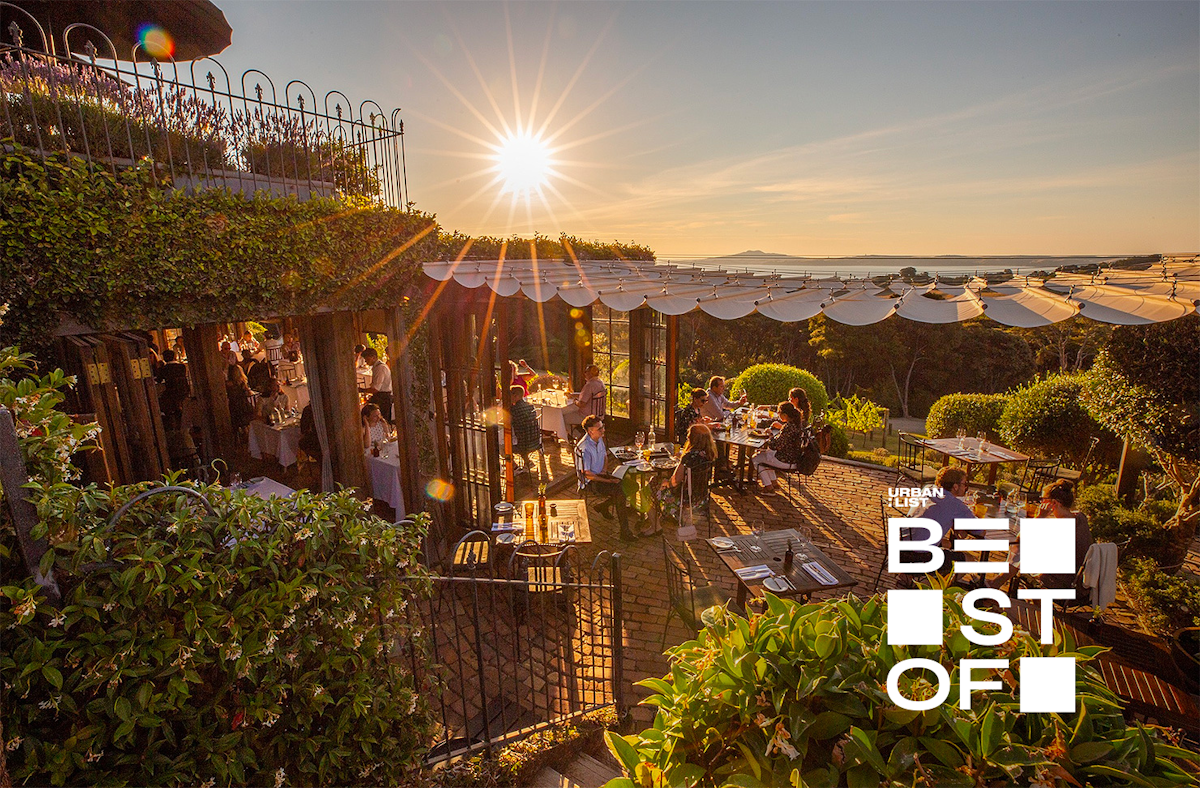
Waiheke Island is New Zealand's premier island of wine, located just 35 to 40 minutes from Auckland by ferry. Renowned for its unique maritime microclimate and over 30 boutique wineries, it offers a sophisticated luxury wine experience featuring world-class Bordeaux blends, Syrah, and picturesque cellar doors overlooking the Hauraki Gulf.
There is a particular quality to arriving on Waiheke Island by ferry. The Auckland skyline recedes behind you, the Hauraki Gulf opens ahead, and 35 minutes later the island's northern shore arrives — pohutukawa trees, wooden cottages, and the first rows of vines visible on the hillsides above the wharf. What follows is one of the world's most accessible luxury wine experiences: over 30 boutique wineries on an island of 92 square kilometres, all within a day trip of New Zealand's largest city.
Waiheke is known internationally as New Zealand's island of wine — a designation earned through a combination of unique maritime microclimate, pioneering winemakers, and the kind of cellar door experience that has no equivalent anywhere else in the country. The island's Bordeaux Blend reds, led by Stonyridge's Larose — hailed on its 1987 release as the greatest red wine ever made in New Zealand — first put Waiheke on the global wine map. Today, Syrah, Chardonnay, Pinot Gris, and a growing roster of Italian varietals round out a wine landscape more diverse and confident than it has ever been.
The Microclimate That Makes Waiheke Wine Possible
Waiheke sits in a rain shadow created by the Hunua Ranges to the southeast and the Waitākere Ranges to the west — sheltered from the heavy rainfall that characterises the broader Auckland region. The island receives around 1,200 millimetres of rainfall annually, significantly less than the mainland, and benefits from warm, dry summers with long afternoon sun exposure on its north-facing slopes. The surrounding Hauraki Gulf moderates temperature extremes, keeping frosts rare and extending the growing season into late autumn.
This climate produces a specific character in Waiheke's wines: ripe, concentrated fruit with retained structure and freshness — wines that carry the warmth of a maritime climate without losing the precision that makes them worth cellaring. The heavy clay soils on most of the island's hillside vineyards retain moisture through dry summers without waterlogging roots, producing naturally low yields and the kind of intensity that has made Waiheke Bordeaux Blend reds internationally sought.
The island was first planted with Vitis vinifera by Kim and Jeanette Goldwater in 1978 at what is now Goldie Wines — New Zealand's oldest island winery. Stonyridge followed in 1981. By the late 1990s, Syrah had emerged as a strong contender alongside the island's established Bordeaux varieties. Today, the island's 30-plus wineries, craft breweries, and distilleries make wine and wine tourism the primary drivers of the Waiheke economy.
The island was first planted with Vitis vinifera by Kim and Jeanette Goldwater in 1978 at what is now Goldie Wines — New Zealand's oldest island winery. Stonyridge followed in 1981. By the late 1990s, Syrah had emerged as a strong contender alongside the island's established Bordeaux varieties. Today, the island's 30-plus wineries, craft breweries, and distilleries make wine and wine tourism the primary drivers of the Waiheke economy — a passion for fine New Zealand drops shared with the Hawke's Bay wine region Great Wine Capital, the country's other great vinous destination.
The Producers: What Waiheke Does Best
Stonyridge Vineyard — 80 Onetangi Road. Founded 1981, Stonyridge is the winery that established Waiheke's international reputation. Its Larose — New Zealand's first Bordeaux four-blend, produced since 1987 — scored 97 points from international critics on its 2010 vintage, placing it ahead of Australia's most iconic Cabernet Merlots. The Guardian UK named Stonyridge one of the top ten must-visit wineries in the world. Following a recent renovation, the cellar door offers signature tastings including Larose alongside the more accessible Fallen Angel range, produced with fruit from across New Zealand.
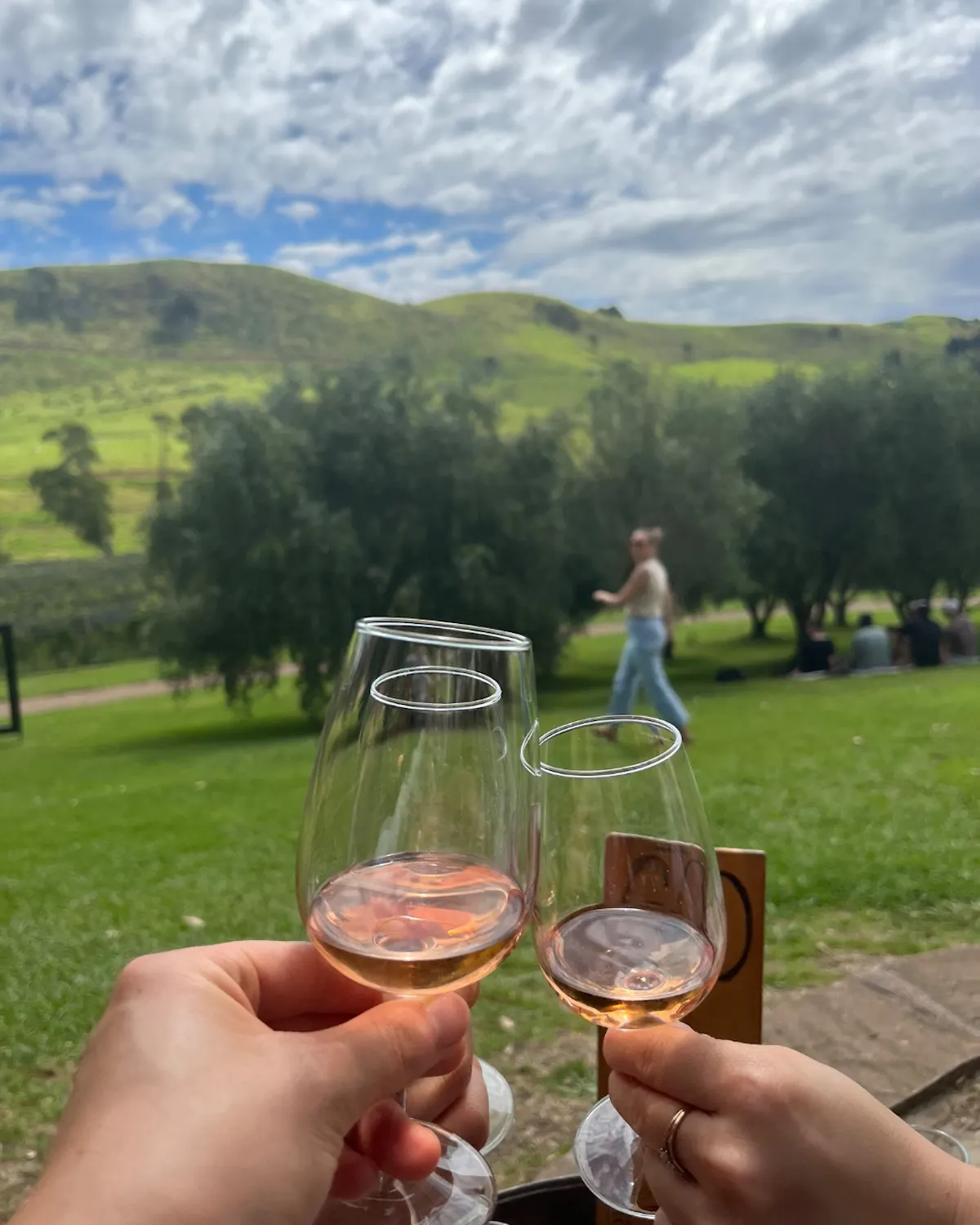
Image: Vicki Young / Urban List NZ — Stonyridge tasting including the Fallen Angel Rosé, made with Central Otago pinot noir
Mudbrick Vineyard and Restaurant — 126 Church Bay Road, Oneroa. One of Waiheke's crown jewels, established in 1992 by Robyn and Nick Jones on bare land they purchased in their late twenties. Today Mudbrick is known for 180-degree views over the Hauraki Gulf, manicured Provence-style gardens, and a restaurant that has won multiple Metro Best Rural Restaurant awards. Their Chardonnay, Syrah, Merlot, and Malbec are among the island's most consistently awarded wines. Tastings are available year-round without a booking for groups under ten.
Te Motu Vineyard — 76 Onetangi Road. Waiheke's oldest family vineyard, named after the island's original Māori name — Te Motu Arai Roa, meaning island of long shelter. Te Motu's signature Cabernet-Merlot blend is considered the purest expression of the vineyard's character, with vertical tastings across multiple vintages available through the cellar door. The Shed restaurant, adjacent to the vines, serves garden-produce-driven plates under head chef Rowan Stewart — one of the most genuinely farm-to-table dining experiences on the island.
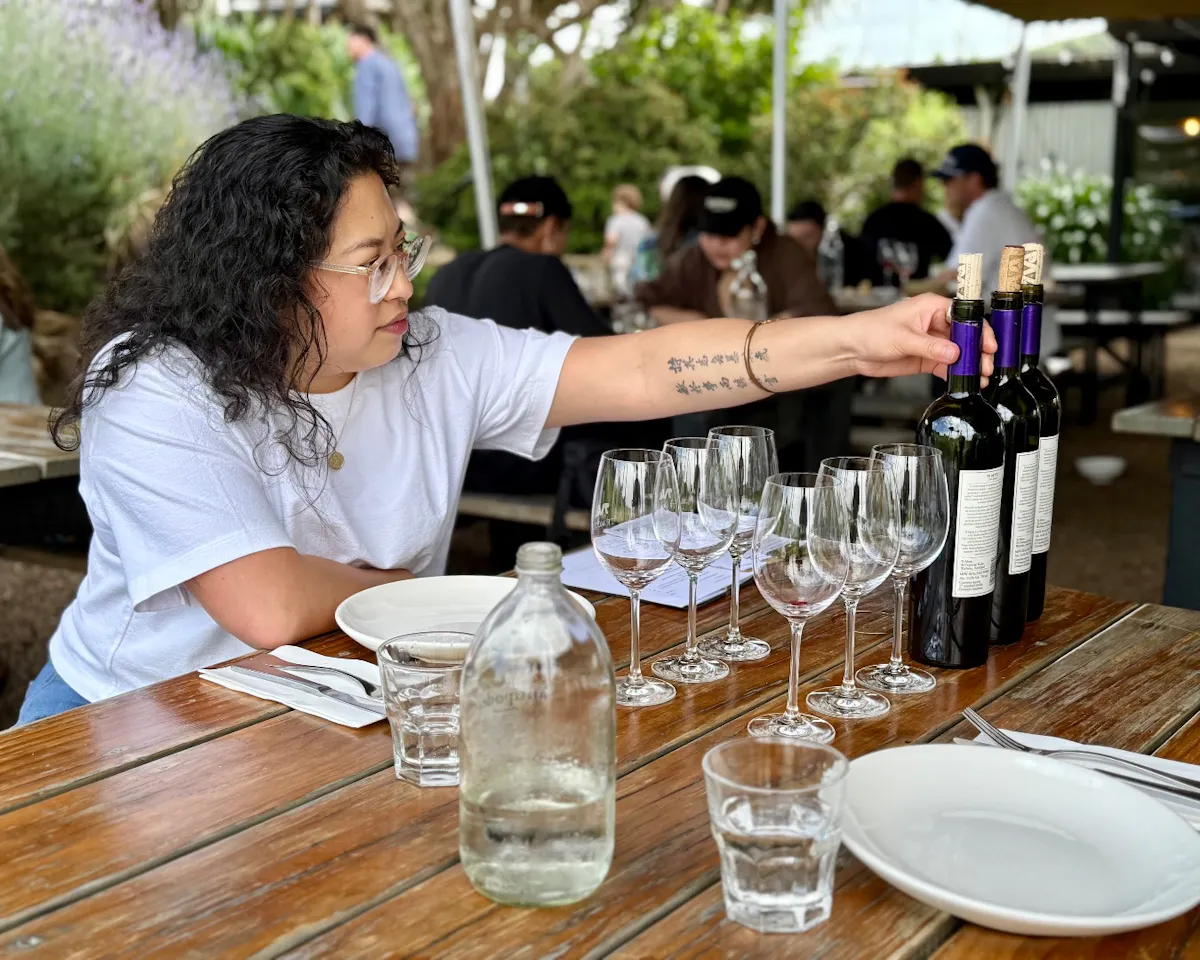
Image: Vicki Young / Urban List NZ — Te Motu wine tasting, Waiheke's oldest family vineyard
Tantalus Estate — 70/72 Onetangi Road. A family-owned property with 20 acres of vines, olive groves, macadamia groves, beehives, and wetlands producing small-batch Bordeaux and Rhône-style blends. The Estate Restaurant's cellar door experience is among the most comprehensive on the island — wine flights, snacks, and access to the on-site Alibi Brewing Co. for those who want craft beer alongside their wine tasting.
Man O' War Vineyards — 725 Man O War Bay Road. The only beachfront winery on Waiheke, set at the eastern end of the island on a bay accessible by the Eastern Explorer Bus or by boat. The tasting room operates directly on the sand, with views across the bay and platters available alongside the wine flights. Their Dreadnought Syrah is consistently the island's most awarded red wine at international competitions. The recently opened Man O' War Forest Flight Zipline — a guided two-hour zipline through ancient kauri forest — arrives at the tasting room for wine and lunch, one of the most distinctive cellar door arrival experiences in New Zealand.
Casita Miro — 3 Brown Road. A Spanish-influenced property with an outdoor dining terrace strung with fairy lights and a menu of Mediterranean-style tapas. Casita Miro grows Syrah and Bordeaux varietals alongside the more unusual Albariño and Viognier, and serves sherry flights as a serious cellar door offering — one of the very few New Zealand wine destinations to do so. Multiple Metro Best Rural Restaurant wins confirm the dining quality alongside the wine.
Poderi Crisci — 205 Awaawaroa Road. A Tuscan-spirited property at the end of a country lane, growing Italian varietals including Montepulciano, Arneis, and Nebbiolo — the only Waiheke-grown Arneis in the country, and a Nebbiolo that appears on very few New Zealand wine lists but rewards those who find it. Long Italian lunches on weekends and degustation dinners on Saturdays make Poderi Crisci the island's most complete Italian wine-and-food destination.
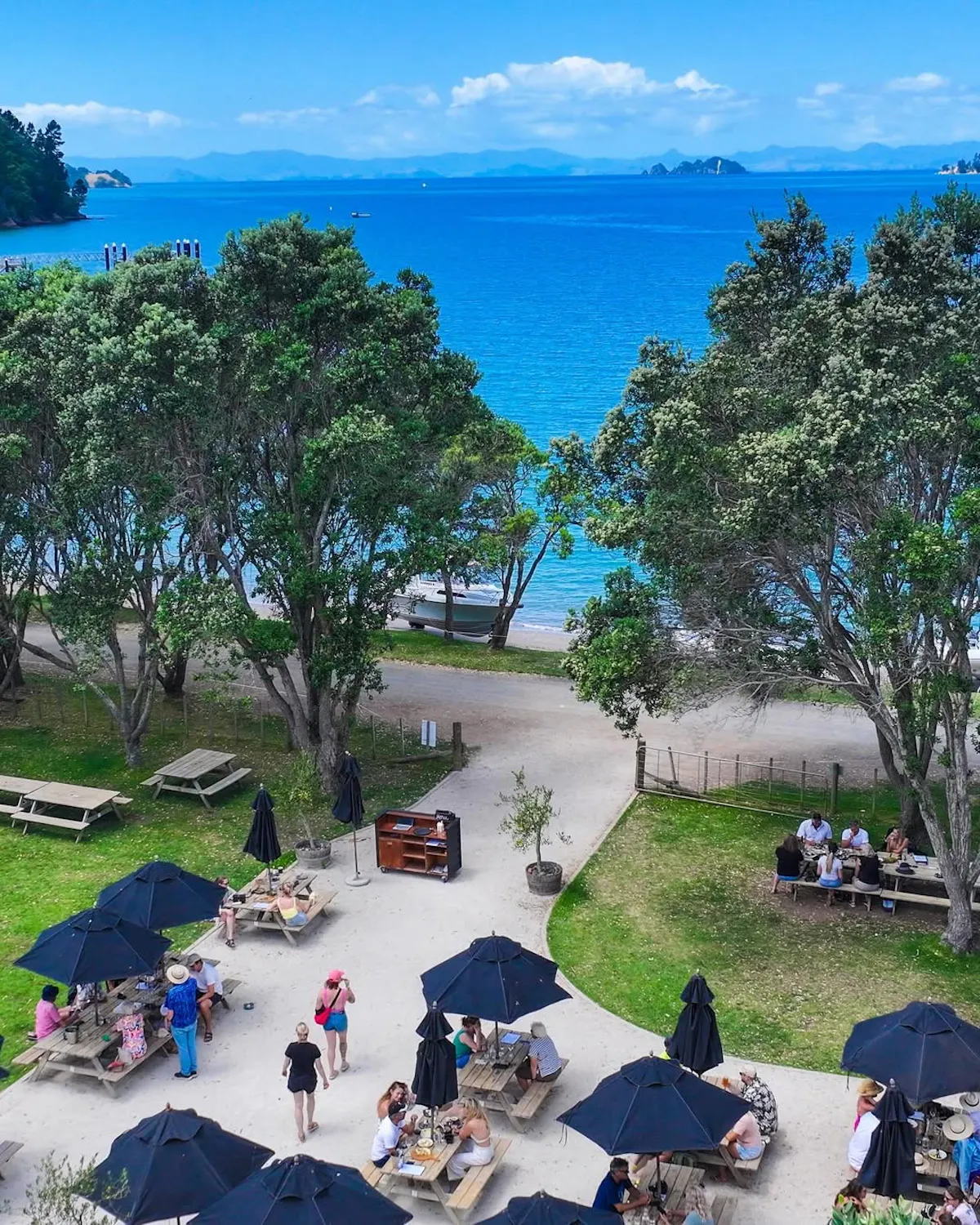
Image: Urban List NZ — Man O' War Vineyards, the only beachfront winery on Waiheke Island
Beyond Wine: Distilleries, Breweries, and a Growing Artisan Scene
Waiheke's artisan beverage scene has expanded significantly beyond wine. Waiheke Distilling Co., on the ridge above Pikau Bay on the eastern side of the island, produces bespoke gins and botanical vodkas distilled with macadamia for a distinctive creaminess — their Red Ruby gin, made with freshly pressed South Island cherries, has become one of the island's signature products. The Heke on Onetangi Road operates a brewery, distillery, and Waiheke Whisky production — the whisky programme, including a honey and rye aged bourbon using local Waiheke honey, is one of the most distinctive spirits operations in the Auckland region.
Awaroa Organic Vineyard, on just five hectares, is Waiheke's most awarded small vineyard — certified organic with three olive orchards producing estate olive oil available directly from the cellar door on Thursday to Sunday. Batch Winery at 129 Carsons Road operates the island's highest vineyard at 200 metres above sea level and is the only producer on Waiheke bottling its own sparkling wine on-site using a Charmat tank.
Getting There and Getting Around
The Fullers360 ferry from Auckland's downtown terminal to Matiatia Wharf on Waiheke takes 35 minutes and operates frequently throughout the day. The Hop-On Hop-Off bus service connects the major wineries along the central Onetangi Road corridor — Tantalus, Te Motu, Stonyridge, Wild Estate, Batch Winery, and SOHO are all within reach. The Eastern Explorer Bus extends to Man O' War, Waiheke Distilling Co., and Jasper Ridge Estate on the less-visited eastern side of the island.
For visitors staying overnight — the most rewarding way to experience Waiheke — a hire car or bicycle covers the island comprehensively. Numerous boutique accommodation options, including vineyard stays and coastal holiday homes, make Waiheke a natural two-night itinerary from Auckland before or after a South Island journey.
For HNWI visitors arriving from offshore, helicopter transfers from Auckland Airport to Waiheke take approximately ten minutes — landing at the island's helipad near Oneroa — and provide an aerial introduction to the island's vineyard-covered hillsides that the ferry, excellent as it is, cannot match.
For HNWI visitors arriving from offshore, helicopter transfers from Auckland Airport to Waiheke take approximately ten minutes — landing at the island's helipad near Oneroa — and provide an aerial introduction to the island's vineyard-covered hillsides that the ferry, excellent as it is, cannot match, making Waiheke a compelling entry point into the broader New Zealand luxury property market 2026.
It looks like the PRECEDING PARAGRAPH you've provided contains only a link itself, with no actual paragraph text to rewrite. Could you please share the full preceding paragraph with its body text? That way, I can properly incorporate the standalone link into a naturally flowing sentence. Central Otago wine region guideFrequently Asked Questions
What wine is Waiheke Island famous for?
Waiheke Island is internationally known for its Bordeaux Blend reds — Cabernet Sauvignon, Merlot, Cabernet Franc, and Malbec blends, led by Stonyridge's Larose, which is considered one of New Zealand's greatest red wines. Syrah has emerged as an equally important variety in recent decades. Chardonnay, Pinot Gris, and Italian varietals including Arneis and Montepulciano are also produced across the island's 30-plus wineries.
How far is Waiheke Island from Auckland?
Waiheke Island is a 35-minute ferry ride from Auckland's downtown Britomart terminal, operated by Fullers360. Helicopter transfers take approximately ten minutes from Auckland Airport. The island is the most accessible luxury wine destination in New Zealand and can comfortably be visited as a day trip from Auckland.
How many wineries are on Waiheke Island?
Waiheke Island has over 30 boutique wineries with cellar doors, plus three breweries and multiple distilleries. Most cellar doors are open year-round, though some smaller producers operate seasonally or by appointment. The island's wine and tourism operations are the primary drivers of the local economy.
What is the best time to visit Waiheke Island wineries?
Summer from November to February offers the longest days, warmest weather, and most active cellar door atmosphere. Harvest in March and April provides a closer connection to the winemaking process. Winter from June to August sees reduced hours at some smaller producers but a quieter, more personal cellar door experience at those that remain open.
Can you stay overnight on Waiheke Island?
Yes. Waiheke has a wide range of accommodation from boutique hotels and vineyard stays to privately owned holiday homes available through rental platforms. Staying overnight allows access to the island's evening dining scene — Mudbrick, Te Motu's The Shed, Casita Miro, and Poderi Crisci all operate dinner services — and removes the ferry timetable as a constraint on the day.
The Most Civilised Day Trip in the Southern Hemisphere
Waiheke Island offers something genuinely rare in the wine world: the combination of world-class wine, outstanding food, extraordinary coastal scenery, and a 35-minute ferry from a major international city. The island's 30-plus cellar doors range from internationally recognised estates like Stonyridge to family-owned organic operations of just five hectares. The dining alongside the wine is consistently among Auckland's finest. And the views — whether from Mudbrick's terrace over the Gulf, Man O' War's beachfront tasting room, or the ridge above Pikau Bay — are among the most beautiful available at any wine destination in the Southern Hemisphere.
For those exploring luxury property in the Auckland region, nzluxuryhomes.nz provides private access to the most considered island and coastal holdings in this market — including Waiheke lifestyle properties and coastal land not available through conventional portals.
Key Takeaways
- Waiheke Island’s unique rain shadow and maritime climate produce concentrated, high-quality fruit, particularly for Bordeaux blends and Syrah.
- The island hosts over 30 boutique wineries, ranging from historic estates like Stonyridge to beachfront destinations like Man O' War.
- Beyond wine, the island features a flourishing artisan scene including award-winning distilleries, breweries, and farm-to-table dining experiences.
- Most top-tier wineries are easily accessible via a day trip from Auckland, making it one of the world's most convenient luxury wine regions.
Frequently Asked Questions
How do I get to the wineries on Waiheke Island from Auckland?
Visitors typically arrive at Waiheke via a 35 to 40-minute ferry ride from downtown Auckland. Upon arrival at the Matiatia wharf, you can access the island's premier wineries by taxi, private vehicle, or the local island explorer bus network, which provides convenient transport to major vineyards like Stonyridge, Mudbrick, and Man O' War.
What is the best time of year to visit Waiheke Island for wine tasting?
The ideal time to visit is during the summer and early autumn months, from December through April. During this period, the island benefits from warm, dry weather and long, sun-drenched afternoons, which are perfect for enjoying outdoor cellar door tastings and al fresco dining at vineyards across the island's picturesque north-facing slopes.
Which wines is Waiheke Island most famous for producing?
Waiheke is internationally celebrated for its robust Bordeaux-style red blends, with Stonyridge’s Larose being the most iconic. Additionally, the island has gained significant acclaim for its expressive Syrah, elegant Chardonnay, and more niche Mediterranean varietals such as Albariño, Viognier, and Italian grapes like Montepulciano and Arneis grown at estates like Poderi Crisci.
Can I visit wineries on Waiheke Island without a booking?
Many of Waiheke's top wineries, including Mudbrick Vineyard, welcome visitors for tastings without a prior booking, especially for smaller groups. However, for larger groups or if you intend to dine at their award-winning restaurants like The Shed at Te Motu or Poderi Crisci, it is highly recommended to book well in advance to ensure availability.
Expert Insight
Waiheke’s ability to marry world-class viticulture with an unparalleled maritime lifestyle makes it the undisputed jewel of the New Zealand wine scene.
30+ — Boutique wineries on Waiheke Island (NZ Luxury Homes research)